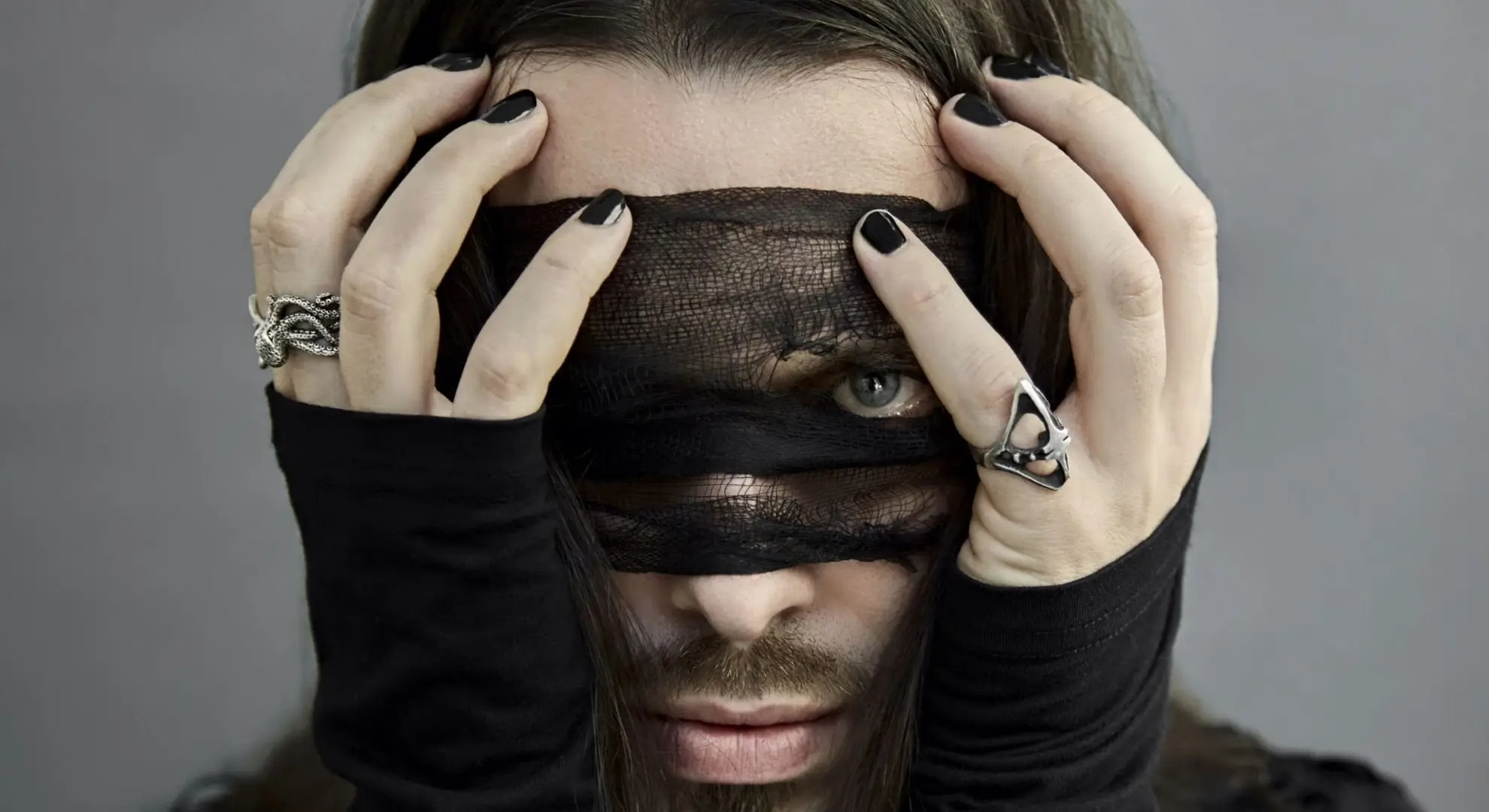


The Royal Ritual launched its live album ‘Live at Infest’ on August 15, 2025, on the opening night of Infest Festival at Manchester Academy, with David Lawrie on stage alone. The record itself documents a different configuration: the duo set Lawrie played with Dan Kentley in 2024 at Bradford’s Saint George’s Hall, the final year the festival used that venue. Its six tracks are drawn from ‘Pews in a Pandemic,’ ‘MARTYRS,’ and ‘Pleasure Hides Your Needs.’
The circumstances around the record have changed since. AnalogueTrash, the label behind both ‘Live at Infest’ and ‘Pleasure Hides Your Needs,’ ceased to exist toward the end of 2025, and both albums left streaming platforms as their distribution agreements expired. Lawrie, who began The Royal Ritual in 2019 after years of freelance audio production for other artists, now releases music largely through channels he controls. His answers are practical, generous toward the people he has worked with, and wary of romanticizing his own circumstances.
Why Infest Matters
Lawrie’s account of the record begins with the festival, not the music. He first played Infest in 2008 with Coreline, joined by Keef Baker and the Choto Ooki Theatre Company, when, as he recalls, Front 242 headlined and the event was held at the Bradford University Student Union.
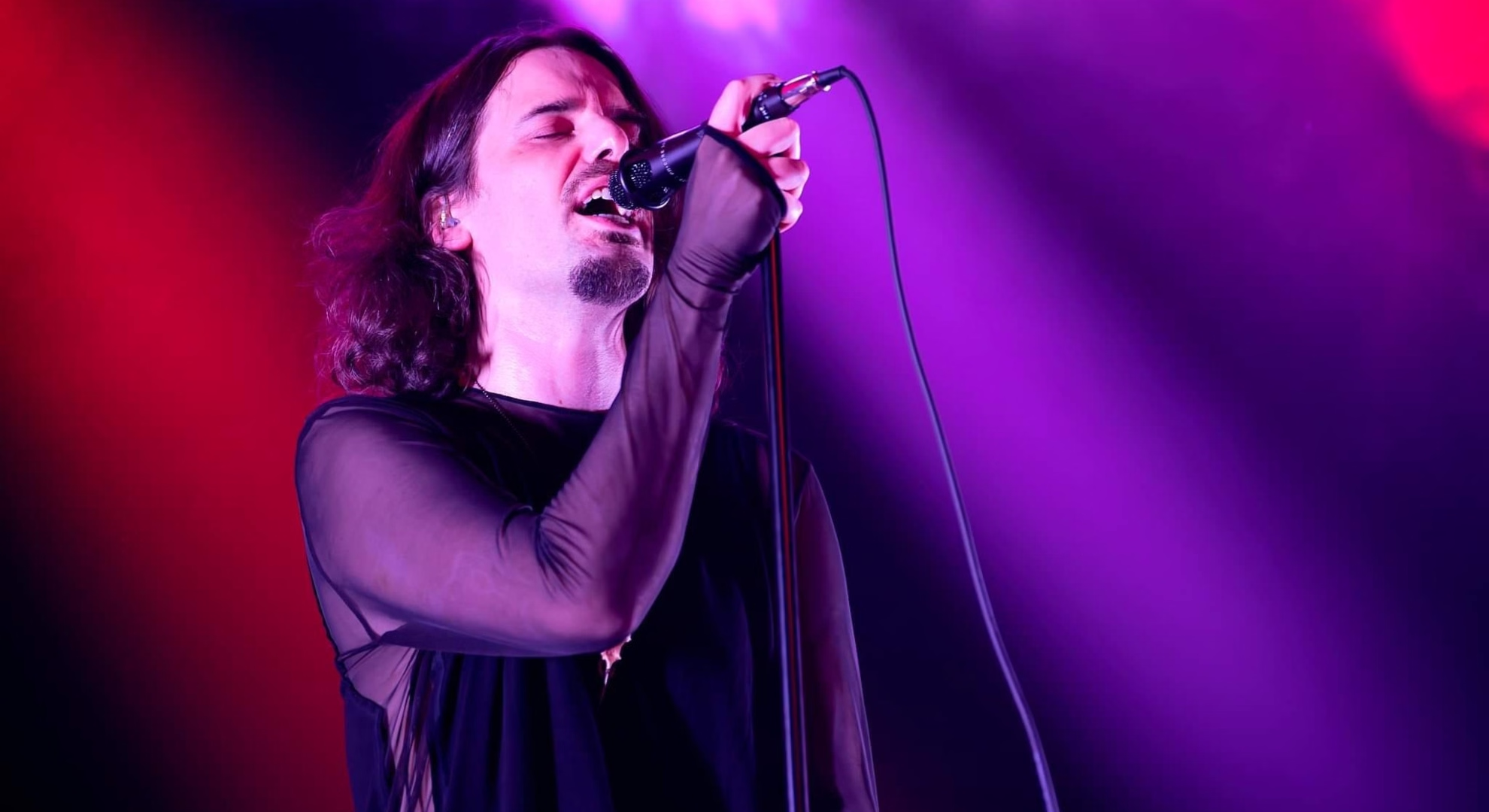
He says it had “more of a DIY feel” in those years, though it was already a very slick operation. He stayed in contact with Mark, Chris, and others on the crew after 2008, and the online ‘Stay-in-Fest’ edition of 2021, where a The Royal Ritual music video premiered, was, in his words, “the start of a new journey” with them. He does not understate what the festival has meant: “Without Infest, I don’t think TRR would have got off the ground. I am so proud to have been involved!”
The live album was never planned. Because all signals pass through Mainstage before being split to the front of house, Lawrie can capture multitracks of every performance, and the 2024 set was one of many he could have kept. “It was months later that I decided it might be a good idea to mix and release it. What you hear on the record is pretty much what you can expect in any venue.”
He offers no larger rationale for the six songs: “There’s no real magic here.” As the opening act, the duo had a shorter set, and the songs, he says, “just seemed to paint the gamut of what TRR can be in a shorter timeslot.”
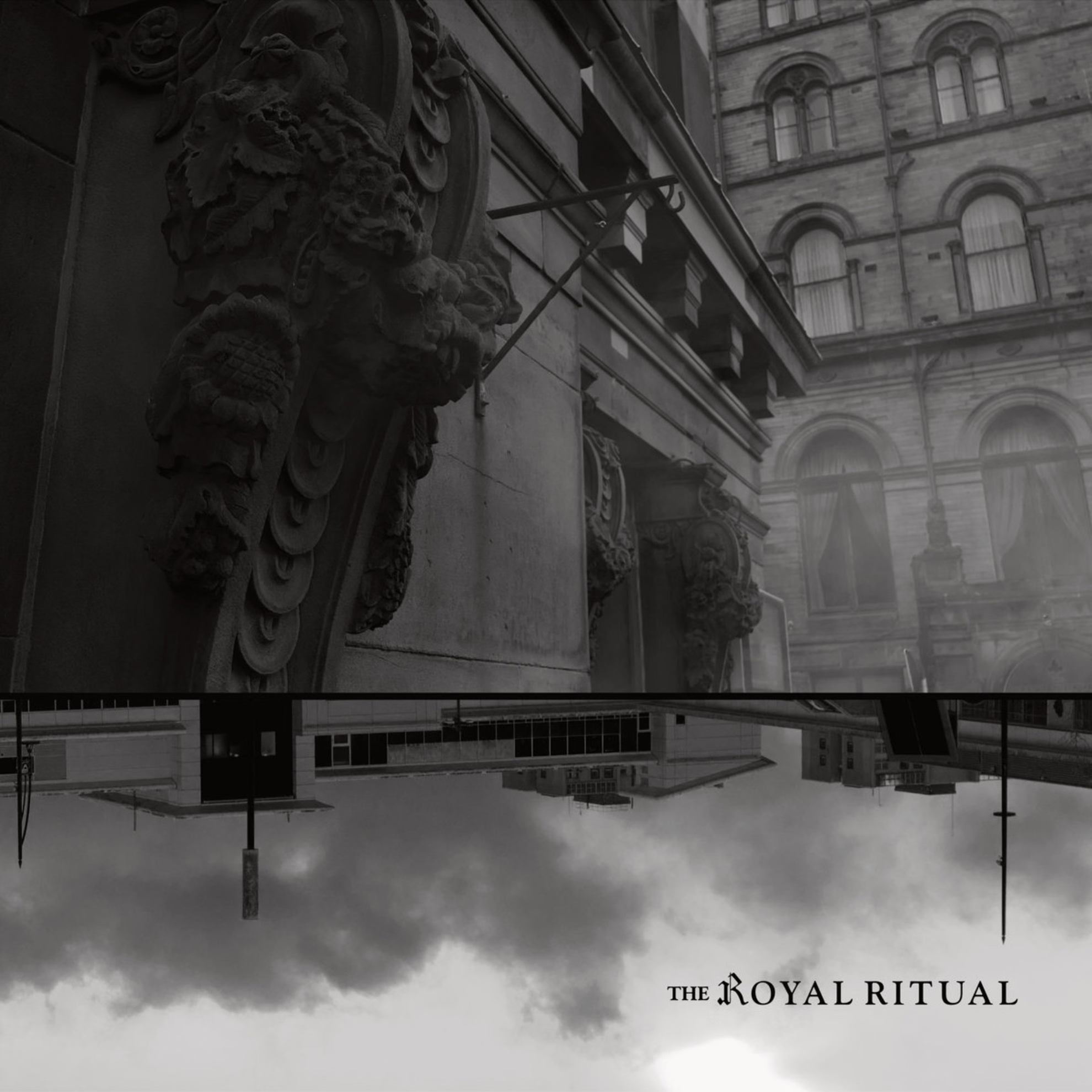
The recordings came from Saint George’s Hall, which he calls “an incredible venue” and “a real milestone on TRR’s journey,” and he says he and Dan are proud to have played the final Infest staged in Bradford. Mark, one of the festival’s directors, supported the release, and when one of the acts for the 2025 festival dropped out, he asked Lawrie to play the inaugural Manchester edition, which made an album launch the logical use of the slot.
The Manchester show was a solo performance for a practical reason. Scheduling between Lawrie and Dan had become a problem, and he had considered a solo version of the show for some time without finding the time. “Once scheduling became an issue with Dan for Infest 2025, it was precisely the motivation I needed to embark on creating the solo set.” He calls the reshaping of the songs “a genuinely interesting (if not stressful) process,” and adds, “I’m glad I did it.”
Because the current show is, as he puts it, “rather self-contained,” the solo set brought “a very different flavour to what I performed.” Much of the Manchester audience, he says, were Infest regulars, and he hopes the album served as “something of a nostalgic reminder for where the festival had been, as it moves onto new pastures.”
The solo arrangements outlived the occasion. Lawrie documented the process in a ‘Going Solo’ series for Patreon subscribers, which brought direct messages from what he calls the small Ritualist family. He says he does not consider the audience when writing and producing, but he accepts that “music is a form of communication, so if something doesn’t land, then the message could always benefit from being refined.”
Some of the solo versions landed better with listeners, so he adapted them to include Dan on stage again, and he admits it is “also just quite fun to have a choice of which versions to perform!” A duo record launched by a solo set, and now feeding a hybrid live show, suggests a live format more flexible than the project’s studio origins would predict.
After the Label
Lawrie describes the end of AnalogueTrash without bitterness. Ady and Mark, his contacts at the label, were communicative throughout and helped with the handover, and they remain friends, and he says he can still “lean on them for advice.” “It is so difficult for independent labels to keep their heads above water, and there are absolutely no hard feelings.” He adds that “AnalogueTrash is still a part of TRR, albeit in a very informal way.”
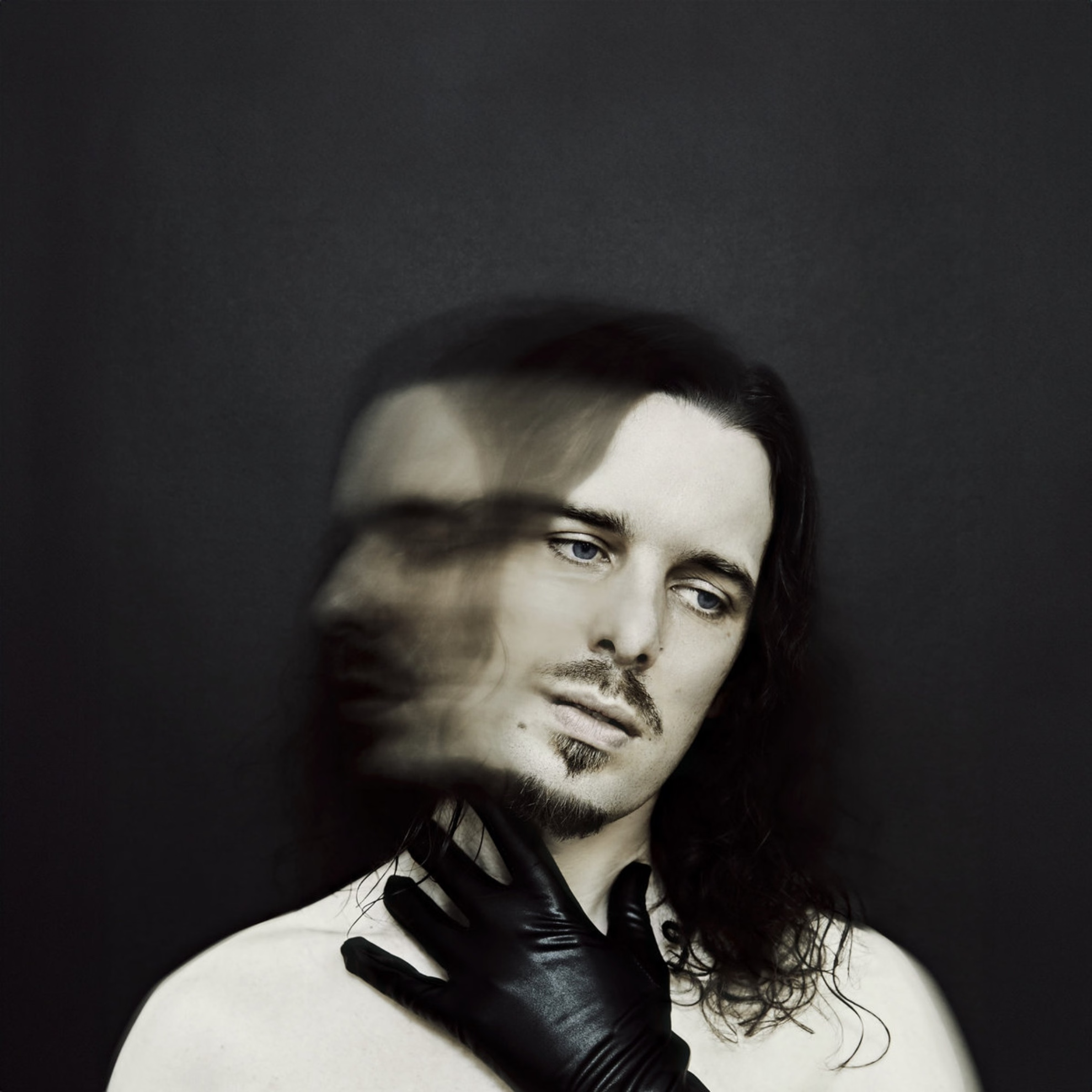
The loss of distribution did not lead to a simple reissue. Having reclaimed the masters of ‘Pleasure Hides Your Needs,’ he is still building an extended version of the album with what he calls “interim interpretations of the music,” fitted around his other production work and with no confirmed timeline: “It is a challenge to fit it in with my other production work. But I feel like it will be worth the wait.”
His reasoning is that streaming never served the project well: “Streaming has always been difficult for TRR. I have always found more success in direct-to-audience interaction, as well as ownership models like Bandcamp and my own online shop.” A separate release already exists: the extended edition of the ‘Pleasure Hides Your Needs’ remix EP, which first appeared on cassette and is now a digital download for mailing list subscribers.
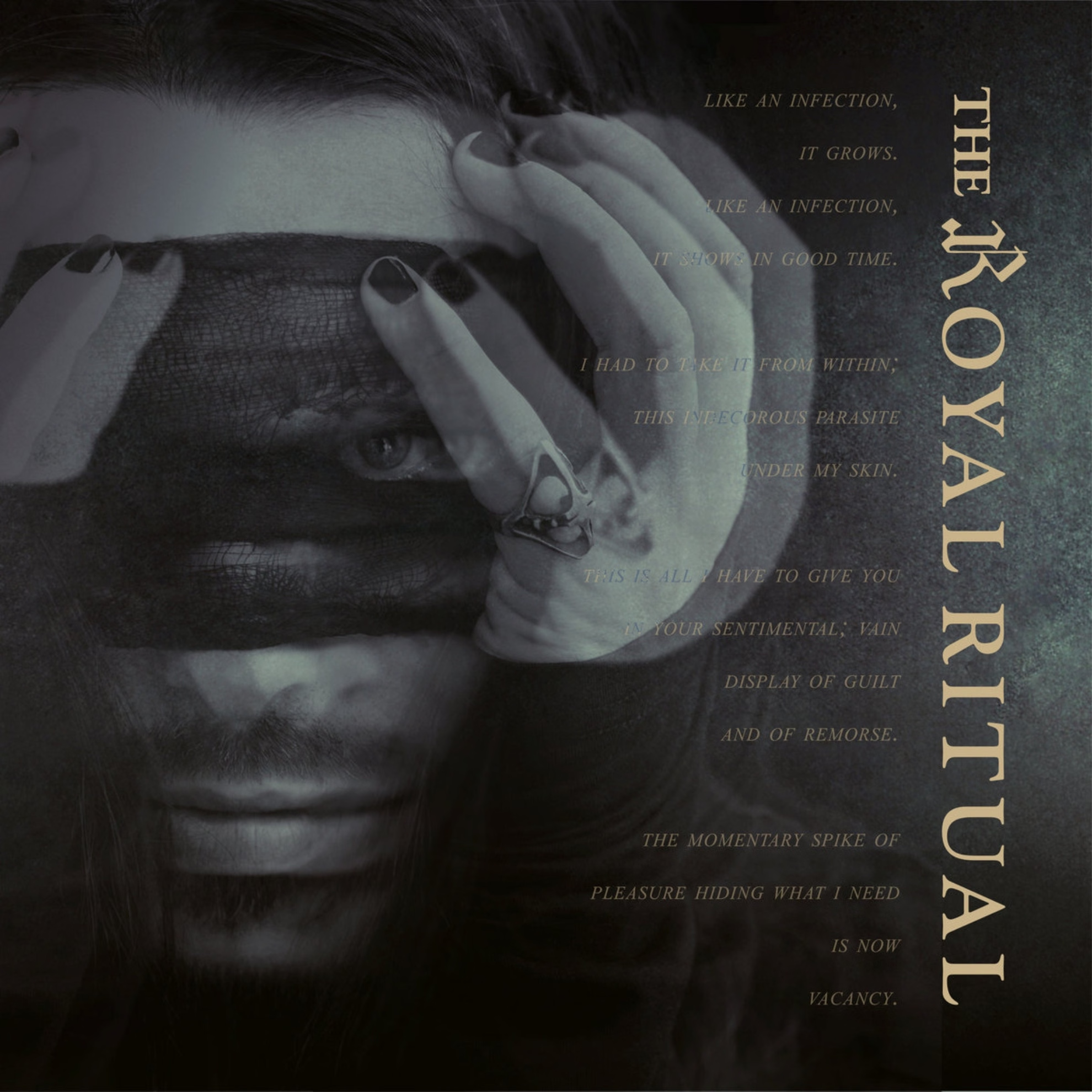
It includes a remix of ‘Has a Vacancy’ by Natasha Cobold, a duo of which his friend Ilya is one half, and the remix arrived well after the cassette release. Lawrie hints at further plans for it: “I do have a wider plan for it, though…”
His position on platforms is cautious rather than ideological. He still likes Bandcamp, but his work with the artists he produces, which has moved beyond audio into artist profiling, has built his web design and development skills and his understanding of e-commerce and of controlling one’s own transactions. He also senses friction among listeners: “It became apparent to me that as many people as there are who love Bandcamp, there are more who dislike it.”
A “completely bespoke option on a personal website,” he says, solves part of that problem. Subvert.fm, which he calls “an entirely different solution with a co-operative model,” is owned by its artists, labels, and listeners rather than shareholders, and as one of its first artists he is watching more than pledging: “I am eager to see how it pans out in the coming months and years, and whether it will be a viable alternative to the inherently capitalist Bandcamp platform.”
Whether a label returns depends on the next record. He is working on a third full-length studio album and says that, “depending on where the music lands, I will decide on what to do with it.” His read of the wider market is blunt: “Labels are in decline, and people are hedging their bets a lot.” The priority order he gives is plain: “The art comes first. Distribution comes second.”
Reworking and Hidden Layers
‘Retract in Circles’ carries the project’s name but was released through a production music library, a decision Lawrie explains in economic terms. He admires Trent Reznor for the ‘GHOSTS’ series and wishes he could offer a Creative Commons release under the moniker. “The reality, however, is that I am very much a working musician, and I need to monetise my music.”
Working closely with the library, Bosworth, he made a body of work that kept “the feel of TRR, whilst also being malleable enough for different kinds of productions.” He says he aligns with Bosworth’s parent company, WISE, on most values, noting that it “is home to some of my favourite artists and composers,” while accepting that licensed music can end up in productions at odds with his ethics: “It’s just the reality of creating multi-purpose music.” The project itself, he says, “keeps its nose above water,” though disproportionately to the work involved.
He began the earliest ideas for the third album roughly six months after ‘Pleasure Hides Your Needs,’ about twice as fast as his usual pattern of starting a year after a record, but it has not arrived quickly. What he expected to become its basis became ‘Retract in Circles,’ which in turn has shaped his continued writing. “What I thought would be a rapid turnaround for the third album has actually ended up being a lengthy process with interim releases.”
Reworking older material, he says, is not the shortcut it may appear to be: “Reverse engineering and reimagining old pieces requires serious dialogue with the music itself.” He names ‘Sinner, Gambler, Fugitive’ and ‘Coma’ as the two most tricky productions on ‘Pleasure Hides Your Needs.’ Both began as songs written under his birth name, and he reworked them by running the original acoustic guitar recordings through a wavetable synthesizer and reprogramming the resulting patterns for the new instrumentation.
The process raises questions: “What does it mean to me now? What has changed? If it aligns in some way with what I am doing now, how do I streamline it into a conceptual counterpart?” He does not regard the earlier versions as lost: “I don’t think anything was lost, because the original versions do still exist, but to me, the ones on ‘Pleasure…’ are the definitive versions because they exhibit a musical expression with technical ability I lacked when they were first produced.”
His interest in psychoacoustics extends to material that listeners are not meant to notice: “I have always been fascinated by psychoacoustics and adding subliminal sonic textures that are designed to be felt and not heard.” He has said the album’s percussion is derived largely from manipulated field recordings.
The Shepard Tones that recur across the album are, he says, arguably the most audible of these textures, and he also embedded images into spectral forms, an experience he finds fascinating to hear translated. He rejects the idea that this costs the songs anything: “The two processes happen with different mindsets and at different times, but that’s not to say that each process can’t both influence the other.”
He treats mastering with similar bluntness. Andy Wilson mastered ‘Pleasure Hides Your Needs’ and the ‘Sally’s Song’ collaboration with Kat Bryan, and Lawrie has long recommended him to the artists he produces. “Mastering is, essentially, the first stage of degradation,” he says, comparing the job to Buzz Lightyear’s line about falling with style. A mastering engineer can undo years of work or finish it neatly, and Wilson could do the latter because the two worked together consistently and he knew what he would receive. Wilson has since retired, which Lawrie calls sad, though he adds: “I am glad that he has taught me so much that I know what to look for!”
Several Names, One Practice
Lawrie works under three names and keeps them apart. As David Lawrie he provides composition, sound design, production, and post-production audio. As The Royal Ritual he releases contemporary music “with the purpose of it existing as-is.” HARUKO covers photography, filmmaking, web development, design, and branding. His reasoning concerns focus: “I am a firm believer of separating out facets of work in order to remain focused on the task in hand.”
HARUKO began in mandatory self-isolation immediately after his move back to England at the end of 2020, using whatever equipment and space were available. He has since upgraded his gear and developed more skills, but the method of coming up with ideas and then working out how to realize them is unchanged: “Without limitless budgets and resources, there is always going to be a level of innovation and resourcefulness required!”
The business structures follow the same logic. Ritual Reverb, the agency he leads with Vara Pappas, combines photography, design, performance philosophy, and at times artist development to build what he calls “worlds” for artists and clients. Ishikawa Media is his long-standing audio post-production and mixing business, “a home for the technical side of what I do.”
Handing over visual direction did not come easily. Pappas, credited with the photography, artwork, and design for ‘Pleasure Hides Your Needs,’ understood that Lawrie would be nervous about relinquishing control, and she brought mood boards and examples instead of demands. “It didn’t take me long to trust that she would be able to add meaning to the album, since she wasn’t trying to literally understand my meanings behind the songs.” He has said the CD and digital artwork and the vinyl artwork for the album deliberately use different styles.
The arrangement continued on ‘Live at Infest,’ with Lawrie taking the photography and Pappas refining the typography and design. Her credits include work for Pixar, Disney, and Stanford University, a different register from an independent industrial project, and he declines the framing of scene identity: “I’m not particularly interested in presenting my music as being one thing or another, so thinking in terms of subcultures doesn’t really enter my mind when thinking about artwork.”
On video, he brought in David Diley of Scarlet View Media as cinematographer for ‘Empires,’ directed as HARUKO, a change from the earlier The Royal Ritual videos he made in isolation.
Diley taught him much of what he knows about filmmaking during the post-production of ‘Of Shark And Man,’ and the two have worked together on multiple music videos. Lawrie says Diley, who is “normally a director in his own right,” was receptive to his direction while bringing suggestions to the shoot. The video for ‘Modes of Violence,’ released May 29, 2024, went the other way: it features Alesoun, whom Lawrie also produces, in a stark, high-contrast black-and-white staging built around two figures. The song is more direct, he says, and the video followed suit: “it just felt right to have a bit more of a straight-forward video.”
Glōm Fest, in September 2025, organized by Christine Buckley’s Original Strawberry Girl Presents, asked him to hold two roles at once.
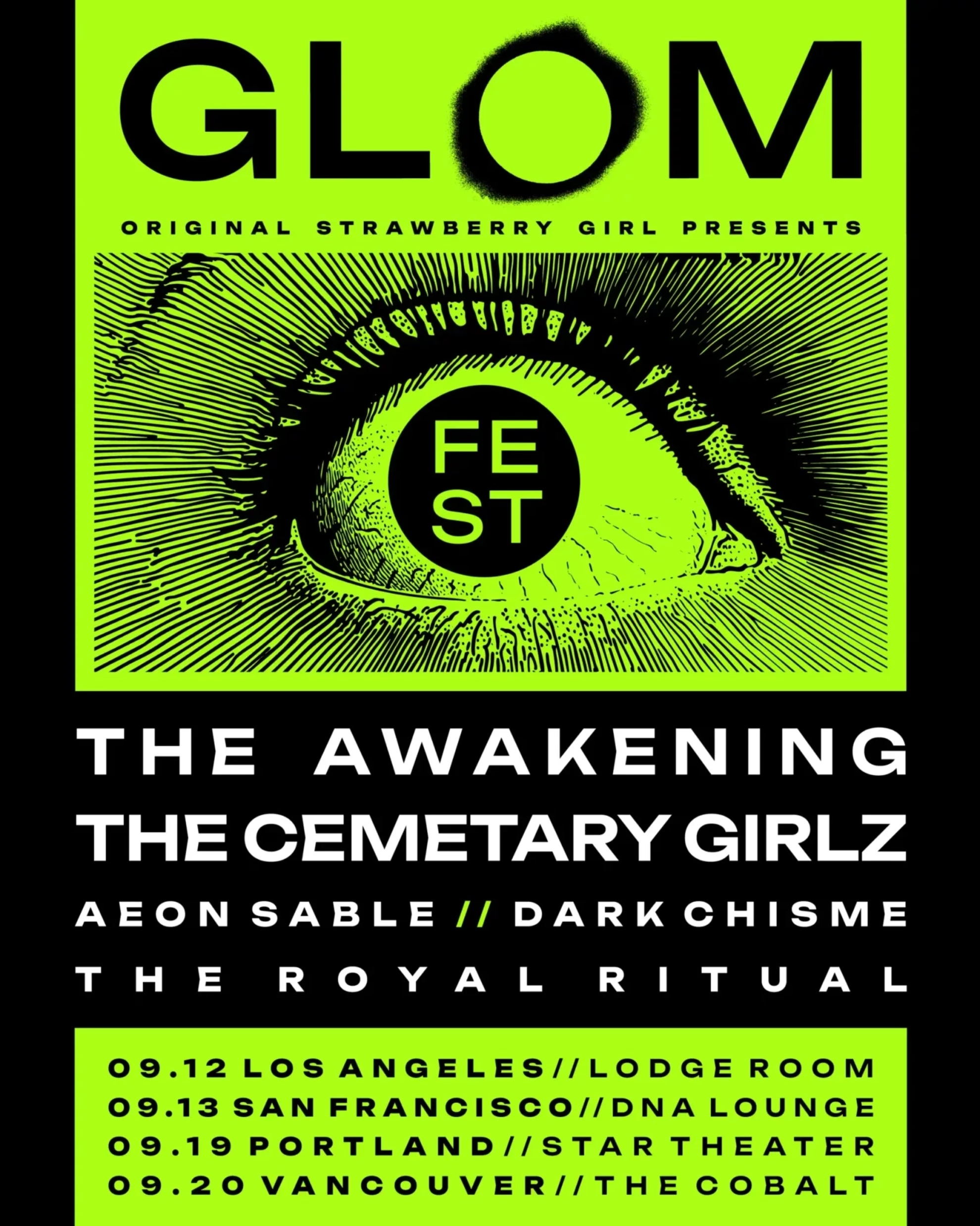
In the run-up he handled audio-technical work alongside the website and artist liaison, and put the team’s ideas into practice. On show nights the team wanted him only as a performer, and the switch between roles, he says, “did get somewhat tiring between shows.”
When two international acts were denied visas, the problem arrived “at the eleventh hour,” and the team considered cancelling the shows altogether before approaching other artists to appear as special guests at individual dates, a plan helped by the fact that “we had an artist wanting to join us in Vancouver,” so that each stop had a different lineup, all within the final week before the first show.
As producer of Alesoun’s debut EP and album, his stated aim is modest: “My role as a producer is simply to help the artist be the best version of themself.” On his own music he splits the roles in two: “once the song is written, I change my mindset to become critical of the music and find solutions to improve what I’m hearing.” The ‘Sally’s Song’ cover began when Ady at AnalogueTrash nudged Lawrie and Bryan to work together, and the two treated it as a way to see whether they clicked musically, which he thinks they did. A planned follow-up is, in his words, in stasis because of budget. “I hate the money side of things, but unfortunately it is necessary.”
Institutional standing counts for little in this scene, he suggests. His voting membership in the Recording Academy’s producers and engineers wing, along with his work as an audio professional with the Television Academy, helps validate his production credentials. He works across many genres, some involving goth-adjacent artists, yet “for the audience I don’t think it makes too much difference.” Breadth has limits as well.
After an intensive Unreal Engine course a couple of years ago, in which he was able to “create something that seemed to impress the course tutors,” he concluded that pursuing 3D animation further would take away from his other work, and that taking it on would be “spreading me a bit too thin.”
Time, Place, and Influence
Coreline, he stresses, was Chris Coreline’s solo project. The two met at university, and Chris invited him to devise a live performance for Infest, after which Lawrie contributed to the final Coreline album, ‘Bone and Blood as Stone and Mud.’ What carried into The Royal Ritual was the live electronics: “I learned a lot from Chris, and it has definitely translated into how I think about what a live performance actually is, with regards to a very hybrid setup.”
The studio-first origin of the project cuts against that inheritance. The impulse to return to dark music was rekindled in 2018 at Cold Waves Festival, watching friends from ohGr perform, but ‘MARTYRS’ took shape as lockdowns began: “during the experimentation stage, lockdowns for the Covid-19 pandemic started, and the whole album was created in isolation.” Live performance entered his thinking later. By ‘Pleasure Hides Your Needs’ the attitude had begun to change, and only after a significant number of shows did he alter how he builds productions in the studio.
Before The Royal Ritual, he released solo material under his birth name to attract production clients rather than a wide audience, and dropping that purpose, he says, was “quite freeing.” He now works in two stages, “as a writer first, and then I treat myself as a production client.”
He has worked entirely freelance in audio since about the age of twenty-three, and The Royal Ritual now takes close to full-time hours for modest return. Yet, “in a twist of the original intention,” it has helped his wider career because it adds “another flavor to what I can offer artists and clients.”
Formal classical piano training began at age seven, and Nine Inch Nails, Aphex Twin, and Skinny Puppy pulled him toward electronic and industrial music.
Asked how a project shaped by those largely North American reference points reads as British, he answers first with a joke: “I will be a proud Brit and claim Aphex Twin as one of our own, haha!” The substance is that the textures of North American industrial pioneers shaped his sound design, while, “from a songwriting perspective I would definitely turn my head towards inspirations like Pink Floyd, Tears For Fears, Depeche Mode.” He calls the British progressive and new wave acts; he lists the other half of a combination that suits his transatlantic roots.
Northern California, where he lived before moving back to England at the end of 2020, does not alter his view of the record’s nationality. ‘MARTYRS’ was conceived and created there, but nothing was released until he was back in England: “For all intents and purposes, it is a UK project from that perspective.” The project’s first appearances in the United States, at Glōm Fest in September 2025, came late for a simple reason, he says: “financial constraints were the barrier.”
He is equally unsentimental about history. Manchester’s place in post-punk lore did not shape the solo set, and he notes that “a large portion of the audience at Infest are pilgrims,” so the festival has a culture of its own. “I don’t think it is too healthy to get wrapped up in the history of a place, a genre, a culture, because that can stifle one’s explorations during the creative process.”
The caution applies to his own process rather than to his audience. He hoped the album would serve Infest regulars as a reminder, but he did not build the set around that history.
“I always say that paintings are what we use to decorate space, and music is what we use to decorate time. It is, however, a one way street. What we experience now influences what we experience in the future, and not the other way around. There are some lessons I learned during ‘MARTYRS’ that I would leave in the past, and others I continue to bring forward.”
We previously covered the launch of ‘Live at Infest’ in a feature on The Royal Ritual, and this interview fills in what followed. The album carries six tracks from three releases, recorded in 2024 as a duo at Saint George’s Hall and launched in 2025 by a solo performance.
Lawrie now favors direct-to-audience channels such as Bandcamp and his own online shop, and he is among the early artists on the cooperative platform Subvert.fm. For a listener new to the project, the record works as a compact survey, because the songs were chosen to cover the range of what the project can be within a short slot.
Heard beside ‘Pleasure Hides Your Needs,’ it also shows how a studio album built on layered detail translates to a looping, sequenced stage setup. Have you picked up the record yet, and does hearing these songs on stage change how you hear the studio versions?
Leave a Reply