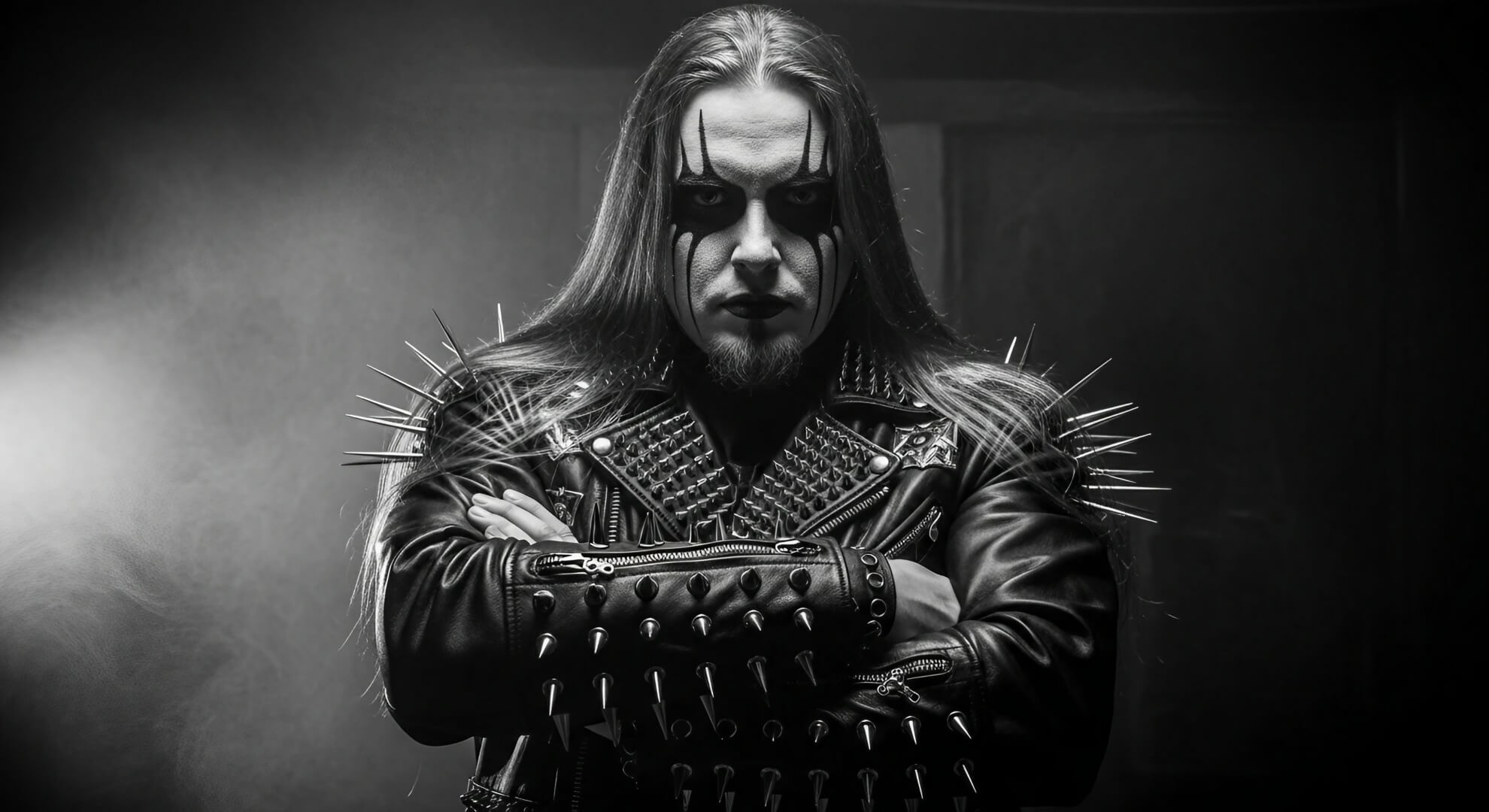


In the mid-1990s, Britain was in the throes of “Cool Britannia,” a wave of cultural optimism soundtracked by the retro-guitar pop of Oasis and Blur. Their 1995 chart battle was a national media event, a celebratory glance backward wrapped in a Union Jack. But across the North Sea, in the dark winters of Sweden, a profoundly different sound was taking shape—one of atmospheric melancholy, misanthropy, and a venomous rejection of the status quo. At the epicenter of this movement was a small, volatile, and ultimately doomed record label: No Fashion Records.
Active from 1992 to 2004, the Stockholm-based label was a chaotic crucible that produced some of the most influential albums in extreme metal. Its story is one of genre-defining creativity born from—and ultimately consumed by—operational dysfunction and financial acrimony.
It is a tale of two Europes responding to the end of a century: one with a pop party, the other with a nihilistic stare into the abyss.
No Fashion Records: A Scene in Search of a Sound
The Swedish metal scene of the early ‘90s was a fertile but bifurcated ground. Two dominant and distinct sounds had emerged. From the capital of Stockholm came the raw, grinding force of death metal, defined by bands like Entombed and Dismember and their signature “buzzsaw” guitar tone. To the southwest, the port city of Gothenburg was cultivating a more intricate, melodic style that would soon be globally recognized as the “Gothenburg sound,” with acts like At the Gates leading the charge.
Into this established duopoly stepped Tomas Nyqvist. Before founding a label, Nyqvist was a key voice in the underground as the editor of the fanzine Putrefaction. In the pre-internet era, fanzines were the lifeblood of the international metal scene—photocopied, hand-stapled publications traded through the mail that served as the primary conduits for reviews, interviews, and discovering new bands.
Running Putrefaction gave Nyqvist a unique vantage point, allowing him to survey the emerging musical currents and build direct relationships with artists. In 1992, he took the logical next step, transitioning from chronicler to purveyor by founding No Fashion Records.
The label was a direct extension of his fanzine’s curatorial vision: to provide a home for a nascent artistic movement that fit neatly into neither of the prevailing camps. It became a haven for a “third way” in Swedish metal, championing bands that blended the aggression of death metal with the atmospheric chill of black metal, all while incorporating a sophisticated, almost classical melodicism.
Bands like Dissection, for instance, hailed from Gothenburg but were not playing the “right kind of Gothenburg metal”; their melodic sensibilities were filtered through a much darker, black metal framework. Similarly, Katatonia was forging a unique path by fusing doom, death, and black metal into a sound of profound, sorrowful beauty. Nyqvist’s vision was to incubate the bleak, melodic, and philosophically potent spaces between the established subgenres.
The Crown Jewels of a Fleeting Kingdom
The label’s first forays were tentative. Releases from the Dutch band Bestial Summoning and the Norwegian act Fester in 1992 were inauspicious starts, with the latter’s album, ‘Winter of Sin,’ being particularly uninspired.
The trajectory of No Fashion, however, was altered dramatically by its third release. Marduk, a band from Norrköping formed with the explicit goal of creating the “most blasphemous band in the world,” delivered their debut album, ‘Dark Endless,’ later that year.
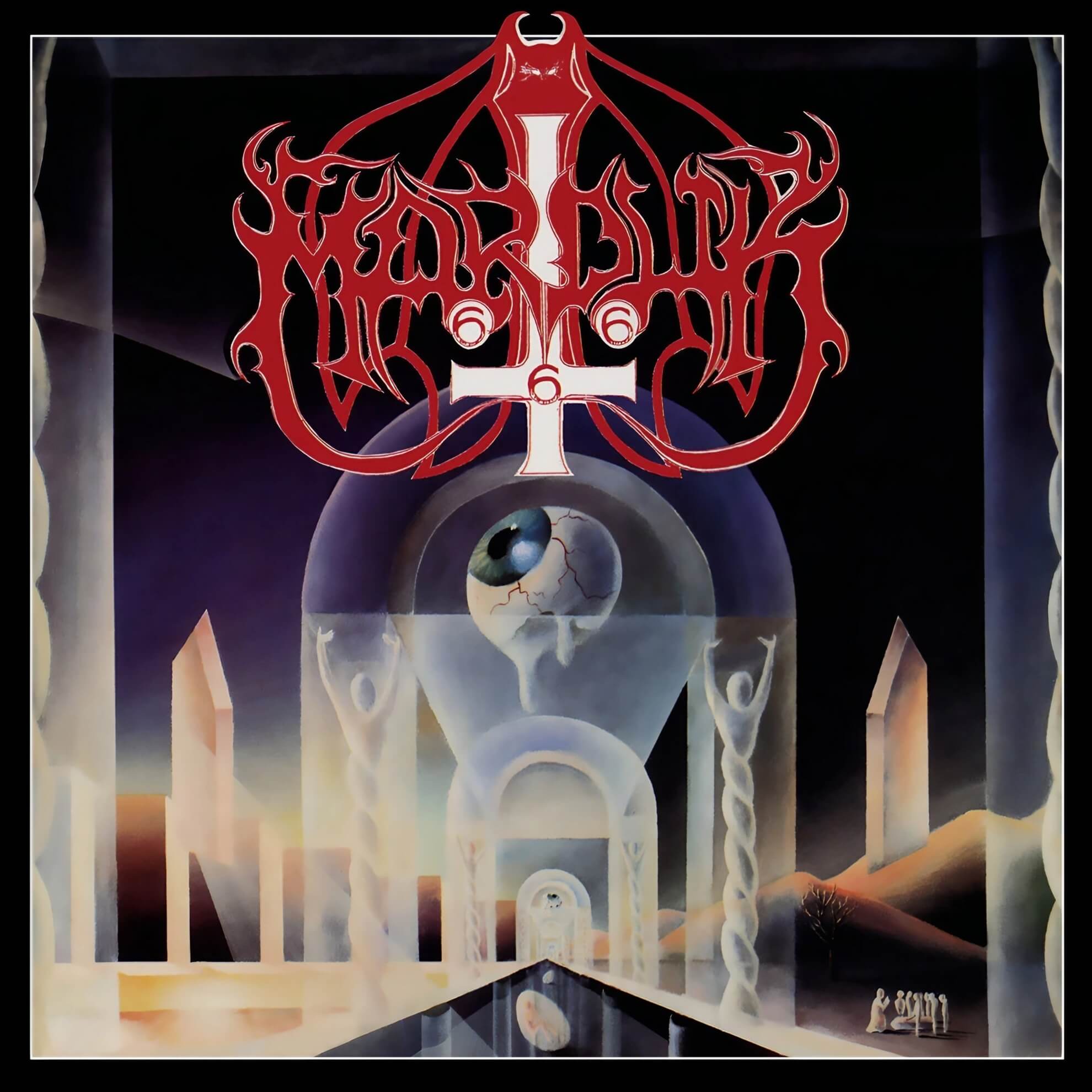
It was a raw, ferocious record that still carried the heavy influence of death metal but pointed toward the hyper-fast, uncompromising black metal the band would later perfect. The album was a success for the fledgling label, but it also offered the first sign of the troubles that would define its history.
Dissatisfied with the label, Marduk quickly departed for the French label Osmose Productions, expressing their discontent publicly in interviews for years to come.
Despite this setback, 1993 proved to be a watershed year, largely thanks to a confluence of talent at a specific location: Dan Swanö’s Unisound studio. Swanö was not merely an engineer; he was a pivotal figure in the scene, a multi-instrumentalist and the mastermind behind the respected progressive death metal band Edge of Sanity.
His studio became the de facto creative hub where the No Fashion sound was forged. Swanö’s production style was powerful and clear, standing in stark, almost ideological opposition to the raw, “necro” sound favored by the Norwegian black metal scene, where poor recording quality was a badge of honor.
For the bands on No Fashion, however, clarity was an artistic necessity. Their music was built on intricate, harmonized guitar leads and atmospheric layers that would have been lost in a muddy mix. Swanö’s engineering allowed their sophisticated musicianship to shine through, becoming an essential ingredient in the Swedish melodic black metal aesthetic.
First came Katatonia’s ‘Dance of December Souls.’ Released in December 1993, the album was a landmark statement that pushed the boundaries of extreme metal into new emotional territory. While their labelmates were exploring blasphemy and darkness, Katatonia pioneered a sound of pure, unadulterated despair.
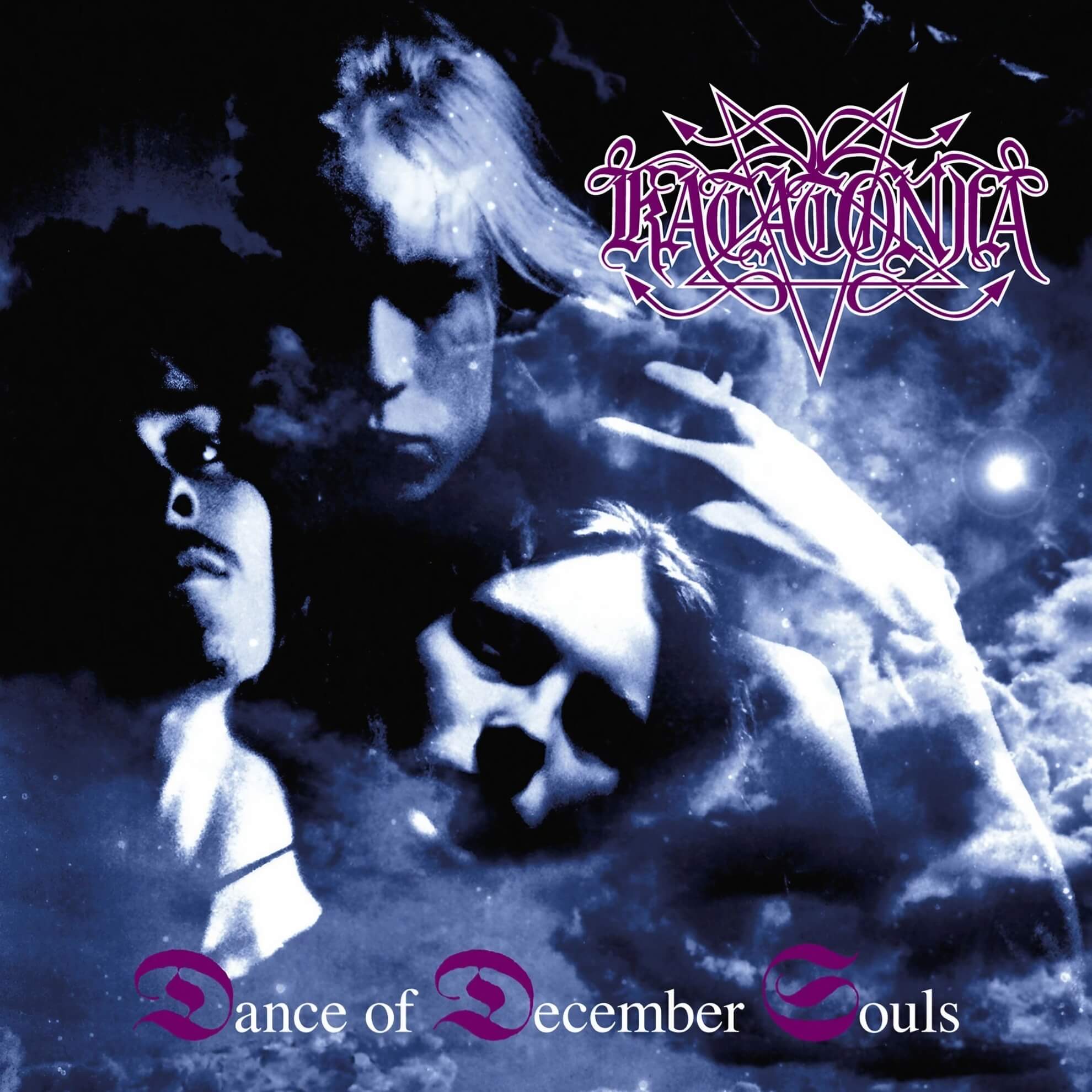
They blended the slow, crushing weight of doom metal with the shrieking vocals of black metal and intricate, melancholic guitar melodies, creating a template for what would become the “doom/death” subgenre. It was a monumental work of atmospheric sorrow that stood apart from everything else in the Swedish scene.
With Swanö not only producing but also contributing keyboards, the album achieved a unique and influential sound defined by its profound, almost beautiful agony.
That same month, No Fashion released its most enduring document: Dissection’s debut, ‘The Somberlain.’ The album was more than a record; it was a foundational text that created the very blueprint for melodic black metal. While much of the Norwegian scene championed raw, primitive aggression, Dissection, led by the prodigious and singularly focused Jon Nödtveidt—then only 18—proved that melody and technical sophistication could be wielded to create an atmosphere that was just as cold, majestic, and evil.
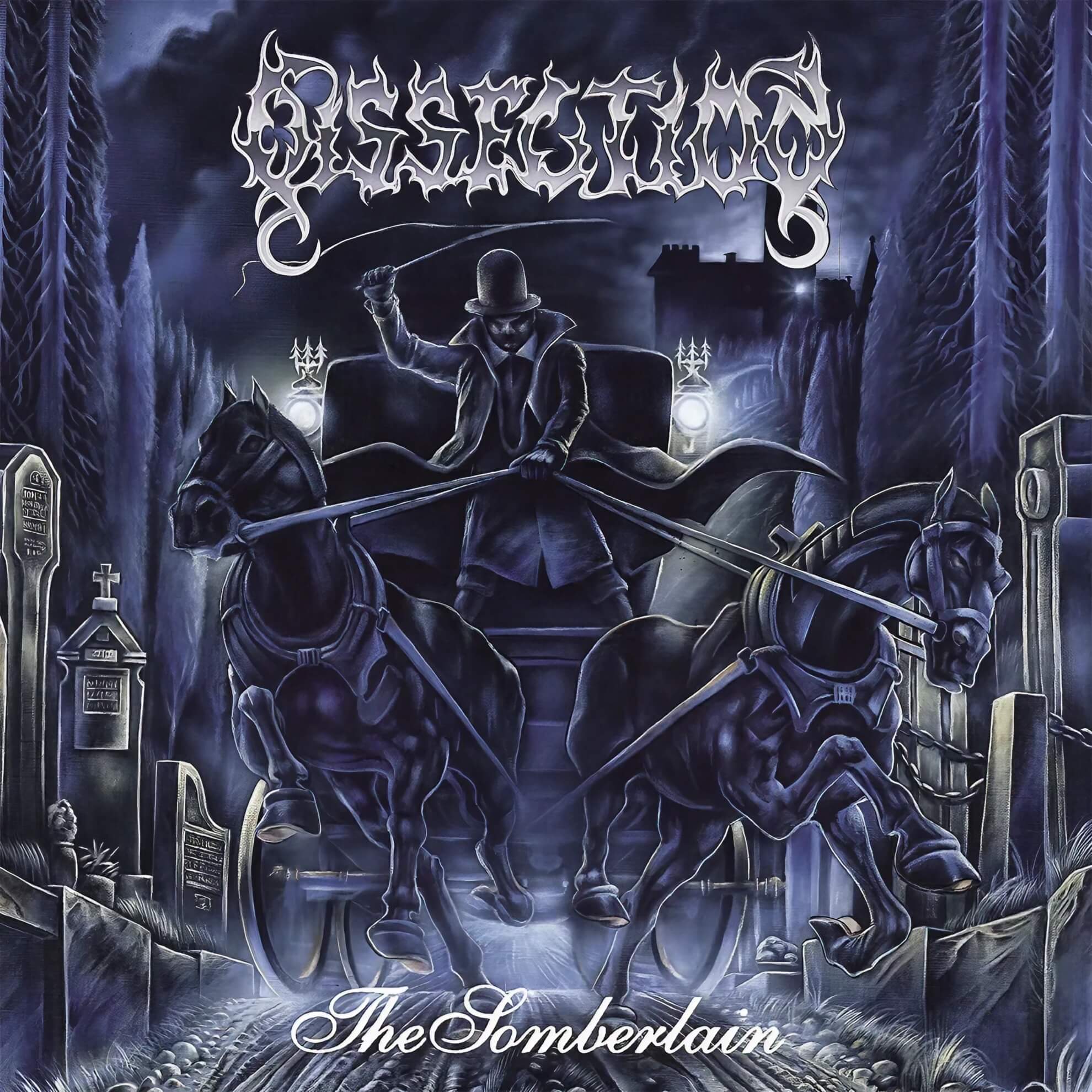
The album combined black metal’s raw force with intricate, harmonized guitar leads that drew from classical music and traditional heavy metal, establishing a new path for the genre. This fusion of brutality and beauty became a benchmark.
Its dedication to the recently murdered Øystein Aarseth (Euronymous) of Mayhem was a crucial nod, linking the band ideologically to the violent heart of the Norwegian scene, even as its musical sophistication set it on a completely different artistic trajectory.
Rot, Ruin, and a Hostile Takeover
The artistic triumphs of No Fashion Records masked a deep and ultimately fatal flaw: the business itself was crumbling. Nyqvist, whose passion and curatorial sense had been instrumental in discovering these bands, proved ill-equipped for the financial and administrative realities of running a label.
A classic underground narrative began to play out: the do-it-yourself spirit that built the scene was insufficient to sustain it once money became involved. Despite artists selling substantial numbers of records, the label was reportedly “on the verge of sinking” due to a chronic failure to pay royalties.
The problem was systemic. Dissection, for example, eventually left the label due to “money and general hassle,” with rumors of unpaid royalties hovering around a quarter of a million Swedish kronor.
The issue went beyond mere financial incompetence. Themgoroth, who performed on Dark Funeral’s debut, recalled losing interest due to the label’s attitude, stating, “it was only about money. There was no genuine love for the music itself.” This sentiment reveals a profound disconnect between the label’s function and its spirit. The passion that had given Nyqvist credibility was seemingly absent from the business of honoring contracts, breeding deep resentment among the artists building his label’s reputation.
By 1995, the internal decay reached a breaking point. In a move described by observers as a “shady” affair, the distributor House of Kicks “practically hijacked the entire company,” and Nyqvist was unceremoniously ousted. He would later start another label, Iron Fist Productions, but it never achieved the cultural impact of his first venture.
Under the new ownership of House of Kicks and its parent company, MNW Music, No Fashion continued to operate, releasing important albums like Dark Funeral’s debut, ‘The Secrets of the Black Arts,’ in 1996. However, the creative nucleus was gone, and the problems with artist compensation festered, evolving into protracted legal conflicts.
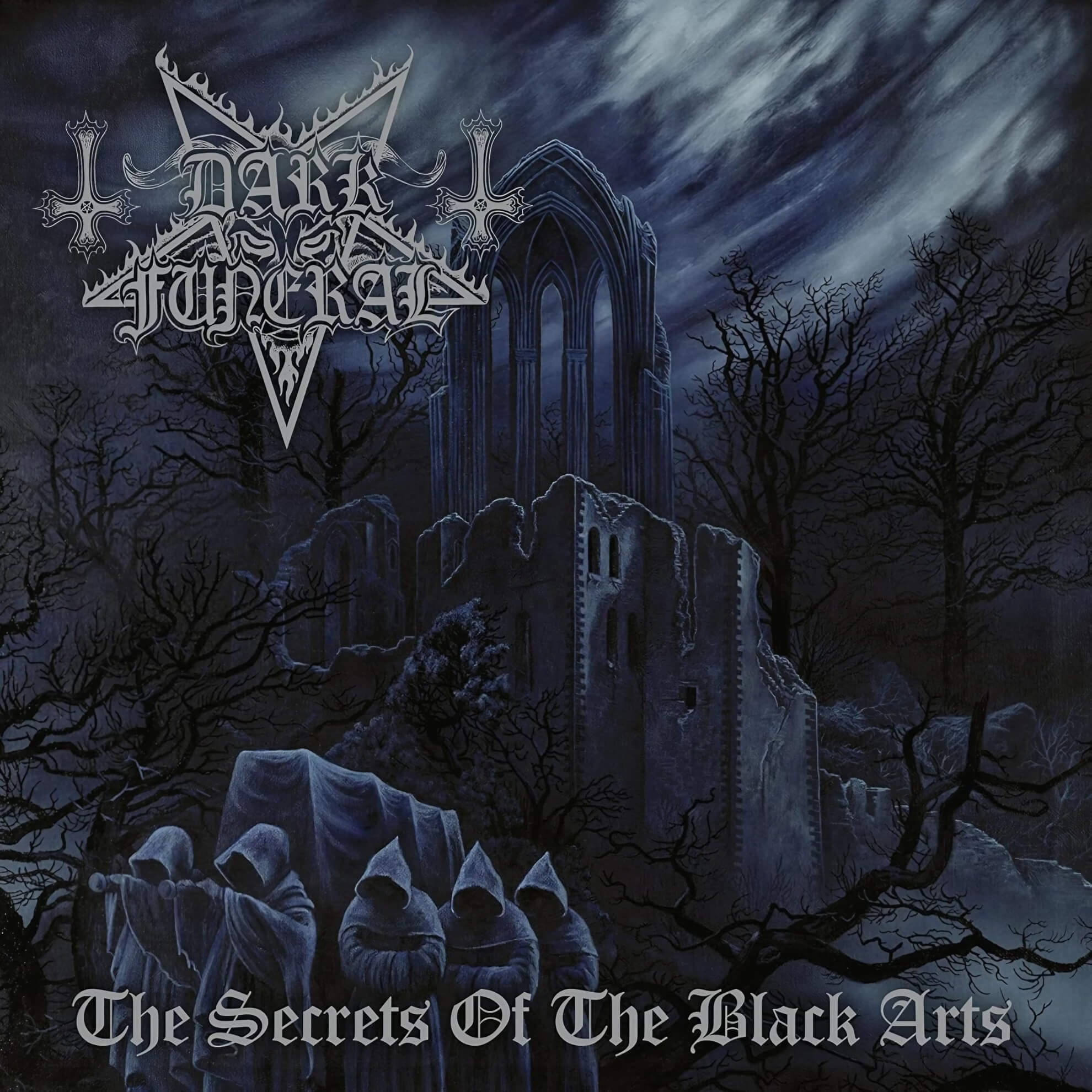
The most prominent of these was the seven-year battle waged by Dark Funeral. Beginning around 2001, the band sued MNW/No Fashion to reclaim the rights to their first four releases, including ‘The Secrets of the Black Arts’ and ‘Vobiscum Satanas.’ The fight dragged on until November 2008—four years after No Fashion had closed its doors—when the band finally emerged victorious.
While relieved, guitarist Lord Ahriman also spoke of a feeling of “emptiness” after the prolonged struggle. The lawsuit was a final, damning indictment of a legacy built on both artistic brilliance and deep-seated exploitation.
A Panic Across the North Sea
While No Fashion was forging a new sound, the British press was focused on the criminal activities of the “black metal inner circle” in Norway—church burnings, violence, and murder. Sensationalist coverage from tabloids and music magazines framed the entire genre as a form of “Satanic terrorism,” inciting a moral panic that obscured the profound aesthetic innovations taking place.
The crucial distinctions between the raw nihilism of some Norwegian bands and the compositionally complex work of Swedish acts on No Fashion were lost on the public. For many, it was all just “that church-burning music,” a caricature that prevented any nuanced artistic appreciation.
While Britain was celebrating its own pop history, the revolutionary sounds being released by No Fashion were either ignored or willfully misunderstood.
Conclusion
From a commercial standpoint, No Fashion Records was a failure. It was a brief, mismanaged entity that burned brightly before collapsing under the weight of its own chaos, leaving a trail of legal battles and bitter feelings.
And yet, its impact is undeniable. In its short life, the label provided the crucial first platform for albums that are now undisputed classics. The music, of course, has long outlived its troubled source.
The chapter on Dissection closed tragically with Jon Nödtveidt’s suicide in 2006, cementing the band’s dark legend. But Katatonia evolved into a celebrated progressive rock act with a global following, their early work still revered and regularly reissued. Marduk remains a formidable and relentless force in black metal, touring extensively. And Dark Funeral, having won the long war to reclaim their artistic property, continue to tour and manage their own legacy through extensive merchandise lines, the masters of their own dark destiny.
The label is a ghost, a cautionary tale from the annals of underground music. But the sound it unleashed—cold, melodic, and profoundly bleak—endures.

Leave a Reply