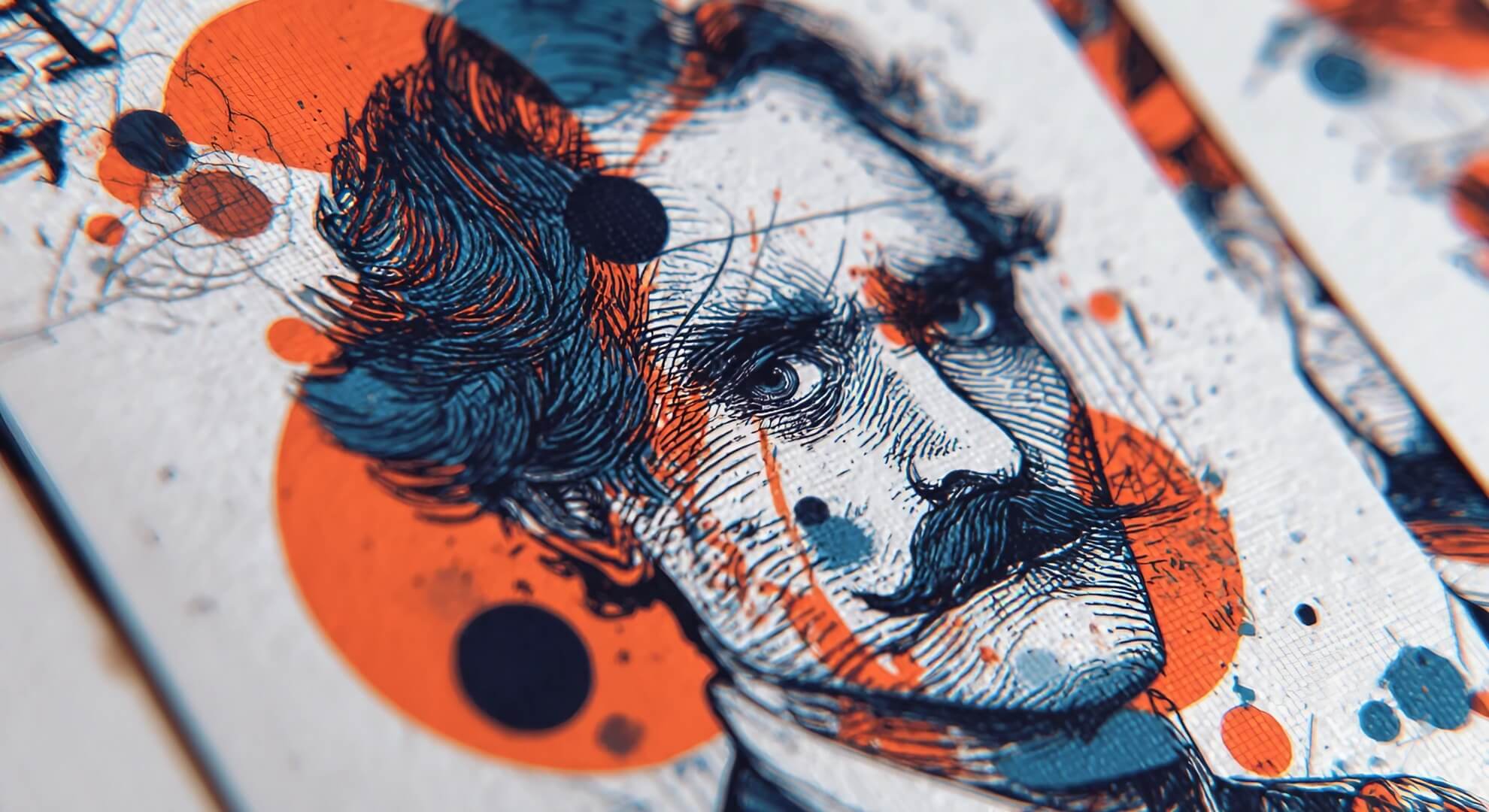


That tension still plays well online. The moment you click Betway log in to access your favourite poker app, you are entering a game of cards and a controlled theatre of concealment, where every pause, every raise and every sudden burst of confidence asks the same old question: who, exactly, is the person on the other side of the hand?
The Table is a Stage
Poker looks rational from a distance because, in part, it is built that way. The maths are real: pot odds make all the difference. Position shapes decisions. Discipline still beats reckless impulse. But none of that removes the more unsettling truth that poker is also built on deliberate misdirection. You win, in part, by creating a version of yourself that another player misreads.
That makes poker psychologically rich in a way few other gambling formats can match. A slot machine does not care who you pretend to be. Roulette does not ask you to perform as an alternative self; poker does. It rewards information-management, emotional restraint and the ability to make another person believe a false but plausible narrative.
That’s where the game starts to brush against gothic territory. The gothic has always loved split identities, false surfaces and the dread of exposure. Poker runs on the same mechanics. The polished face at the table and the private mind beneath it are rarely identical. A strong player knows that. A weaker one often knows it too, but they cannot hold the performance together once pressure rises.
What Psychology Calls Tilt
The clearest factual bridge between poker and this darker imaginative world is ‘tilt,’ the poker term for the moment emotional control starts to collapse. In a 2020 study on tilt in online poker, researchers described tilt as an episode in which a player can no longer make rational decisions, linking it to reduced emotional regulation, stronger cognitive distortion and heavier losses. Their sample covered 291 online poker players, and the study found that more frequent tilt episodes were significantly associated with excessive gambling.
That moves the discussion out of metaphor and into psychology. Tilt goes beyond simple frustration. It is a breakdown in judgement. You still think you are acting with purpose, but your decisions become hotter, narrower and more self-justifying. You start chasing losses. You read the next hand as destiny rather than variance. You become, for a few damaging minutes, a less reliable version of yourself. The mask is still on, but it has slipped.
Do Not Let Your Emotions Take Over
Older poker research points in the same direction. Work led by Jussi Palomäki framed tilt as loss-driven decision-making, where negative emotion disrupts strategy and changes how players experience defeat over time. In practice, that means poker skill has never been purely technical. It also depends on whether you can feel embarrassment, anger or humiliation without letting them seize the wheel.
If you want to understand why poker can feel uncanny, start there. The most disturbing figure at the table may be the version of you that appears after a bad beat, speaks in your voice and somehow makes choices you would not have endorsed ten minutes earlier.
Edgar Allan Poe and the Second Self
That is one reason Edgar Allan Poe fits this subject so neatly. If you have already read our own Edgar Allan Poe: Celebrating Poe’s Most Mysterious Tale—His Own Demise, you will know all about Poe’s fascination for secrecy, performance and the theatrical edge between self-command and collapse.
For poker, though, the most revealing Poe reference is ‘William Wilson.’ The tale centres on a double, a second self who follows the narrator like an embodied conscience, and one of its sharpest humiliations comes when that double exposes him for cheating at cards. The Edgar Allan Poe Society’s notes on the tale identify cheating at cards as the hero’s defining crime, which is exactly why the connection lands so well here. Poker, in Poe’s hands, becomes more than a card game. It becomes the scene where fraud, ego and self-recognition collide.
That connection reaches deeper than literary decoration. A poker player is always managing at least two identities: the outward persona built for the table and the inward self reacting to threat, shame or overconfidence. Most of the time, those two selves cooperate. Under pressure, they can split. Poe turned that split into gothic fiction. Poker turns it into a practical problem with financial consequences.
Why Bluffing Feels so Unsettling
Even bluffing, the element casual observers often treat as swagger, is more revealing than it first appears. Bluffing works as more than a lie. It is social calibration. You are measuring what another person expects from you, then feeding that expectation back in a modified form. The move only works if you can occupy the role convincingly enough for someone else to collaborate in the illusion.
That helps explain why bluffing can feel colder than chance-based gambling. It involves intention, projection and a tiny act of authorship. You are constructing a false reading and inviting someone else to inhabit it. That is psychologically intimate, which is why poker can feel less like a simple contest and more like a duel fought through posture, timing and nerves.
There is research support for that, too. A well-known online poker study on bluffing and gender cues found that players altered their bluffing frequency depending on the gender of the avatars they faced, even though they did not believe those cues had shaped their decisions. The surface signal mattered more than participants realised. That is classic poker, and classic gothic logic too: the face presented to you may be artificial, but it still changes what you think is real.
The Real Opponent
If you strip away the chips, the software and the bravado, poker remains a game about reading unstable people under unstable conditions, including yourself. That is why it sits so comfortably beside gothic literature. Both are obsessed with what happens when appearance and motive stop aligning. Both understand that self-control is fragile. Both know the most dangerous moment often arrives when a person mistakes emotional certainty for truth.
So yes, poker is a game of probability. But it’s also a game of doubles, of masks and of those brief, costly moments when the self you meant to project gives way to the self you were hoping to hide. That haunted feeling comes from how quickly poker exposes the distance between a composed mind and a divided one.


Leave a Reply