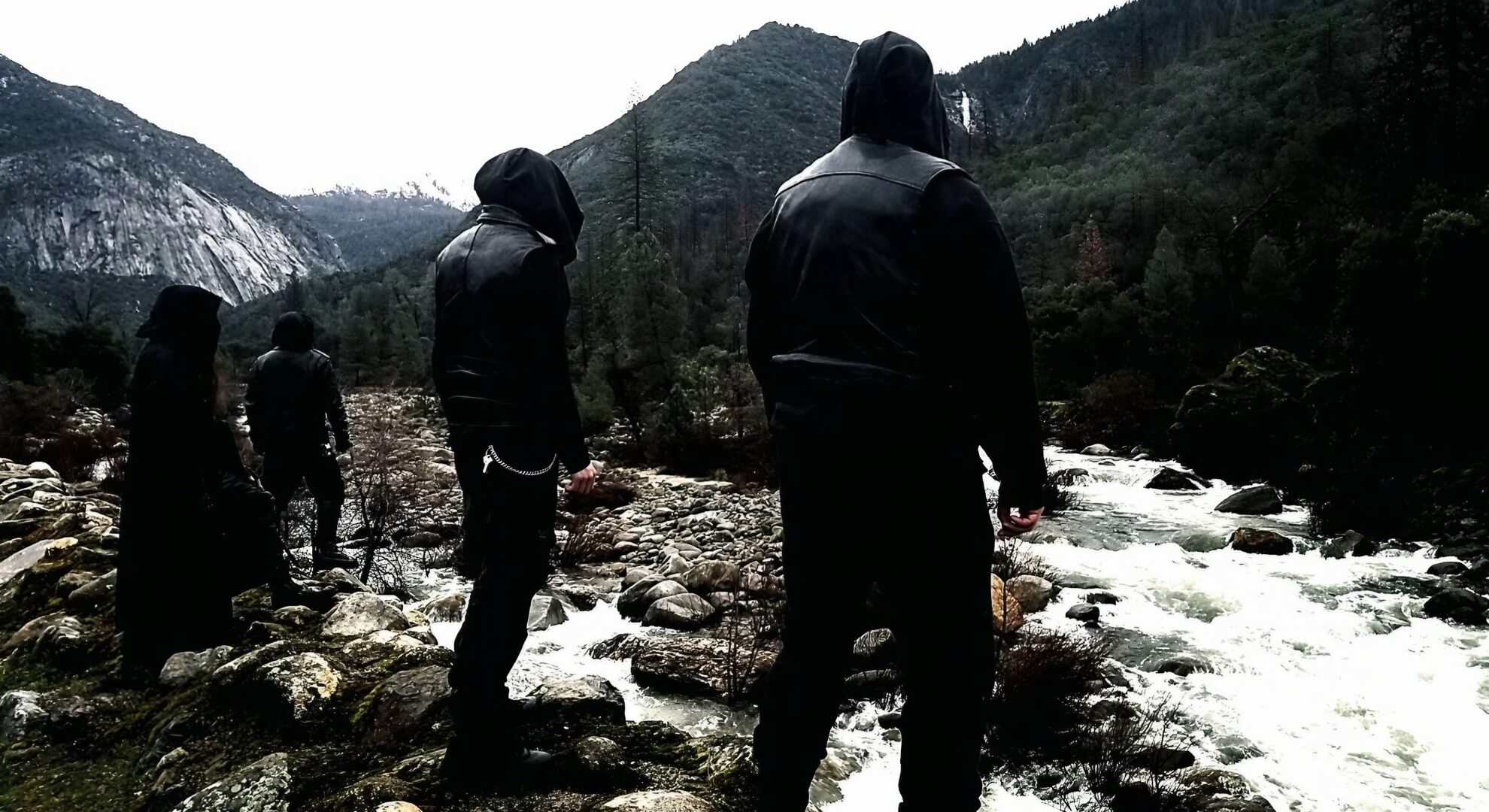


Under the cover of the year’s first new moon, the melodic black metal band Uada broke a long silence on January 20, 2026. The release of their reimagined acoustic video for ‘The Purging Fire’ was not merely a promotional maneuver but a calculated celestial event, timed to coincide with a lunar phase that symbolizes new beginnings in pagan tradition.
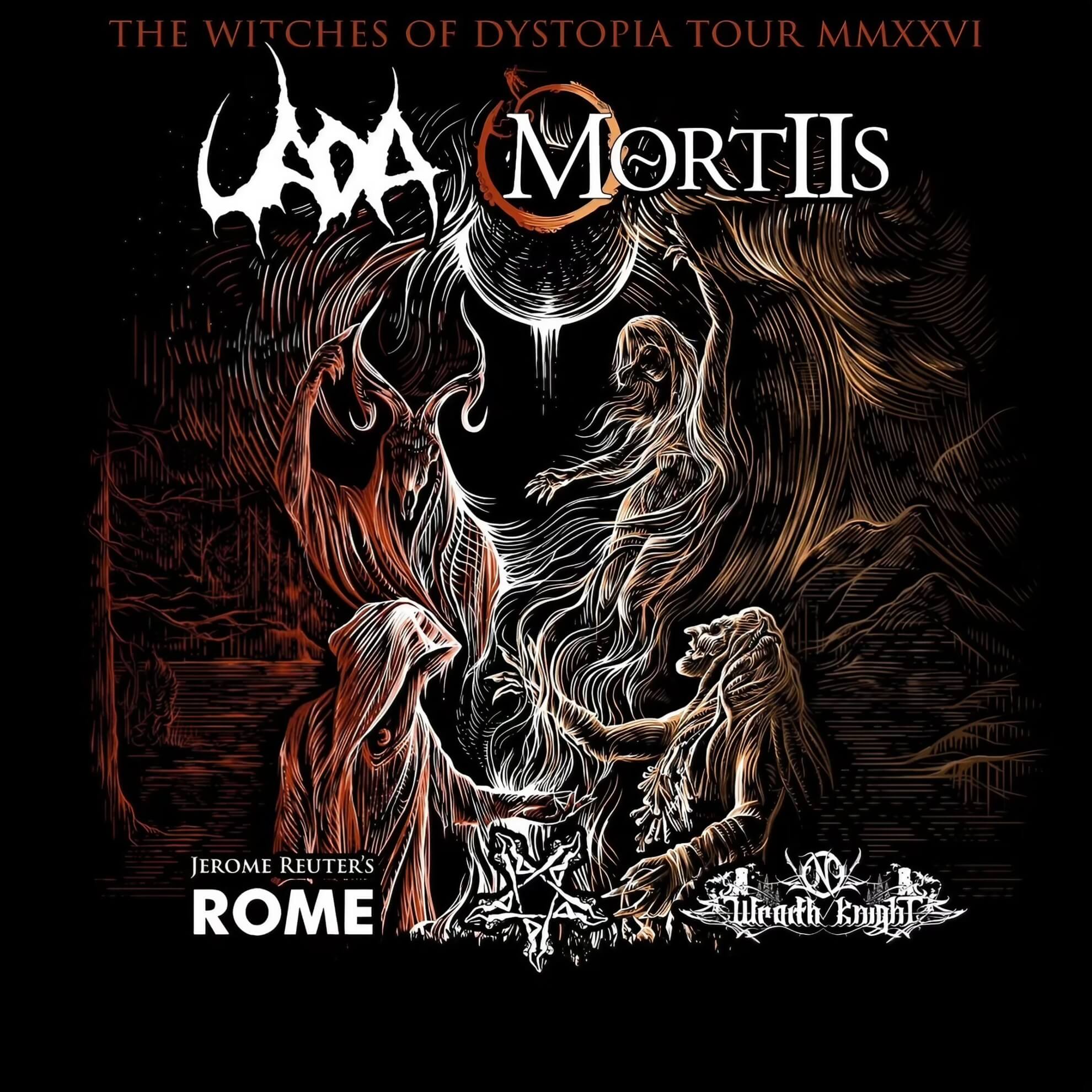
This quiet summoning serves as the prelude to one of the year’s most ambitious musical convergences: The Witches of Dystopia Tour MMXXVI, a co-headlining venture with the Norwegian industrial pioneer Mortiis that promises to bridge the divide between the ancient forest and the industrial machine.
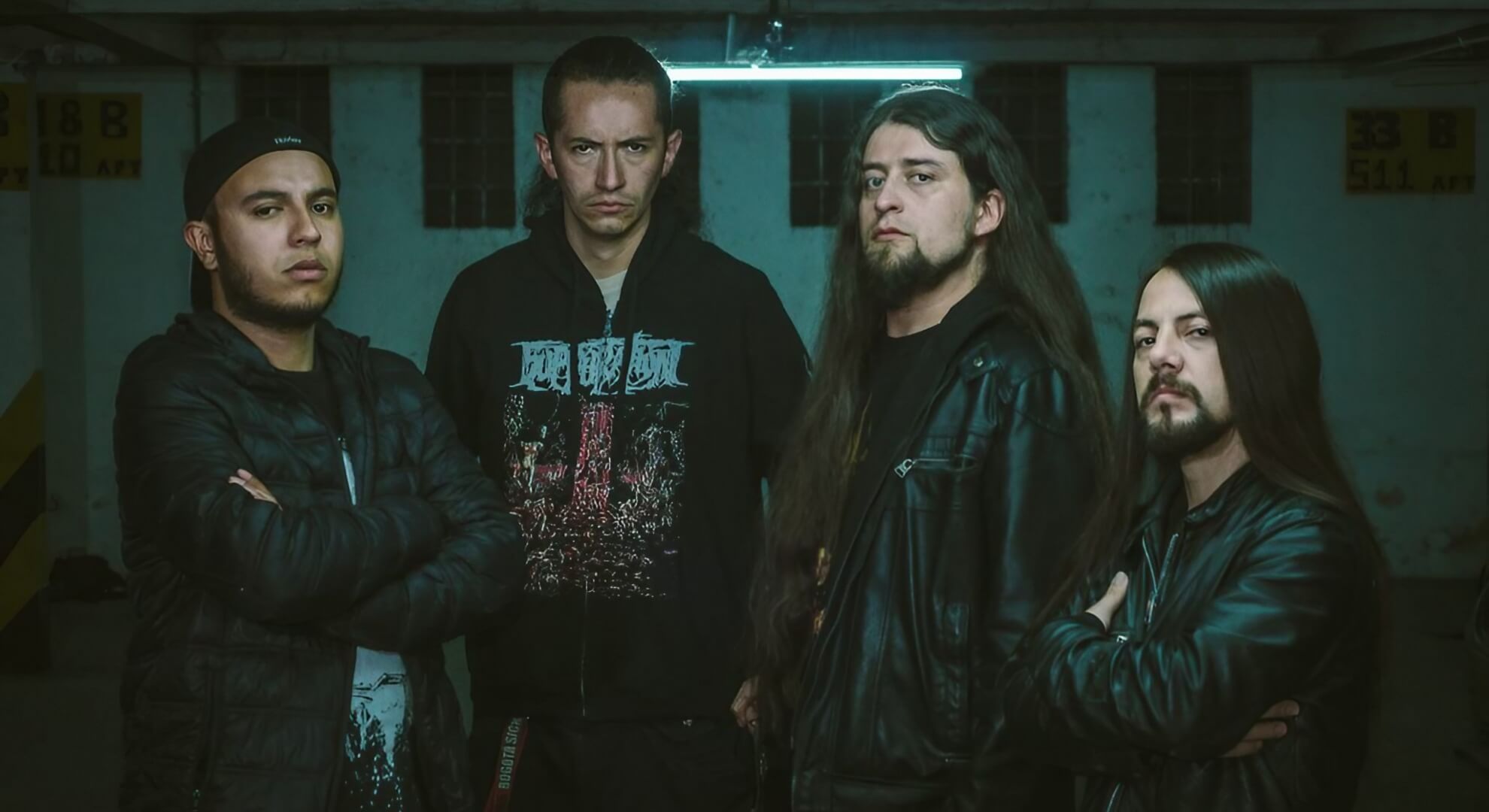
The tour, which unites the atmospheric metal of the Pacific Northwest with European synth-pop and neofolk, represents a curated total work of art—a “Gesamtkunstwerk”—that challenges the rigid boundaries of the heavy music scene. Bringing together Uada’s melodic intensity, Mortiis’s dystopian synths, the ancestral chaos of Ceremonial Castings, and the somber folk of Rome, the lineup offers a stark meditation on the dualities of the modern age.
A Summoning in the Dark
The timing of the video release speaks to Uada’s meticulous approach to myth-making. The launch aligned with the lunar cycle to evoke an image of nocturnal fauna or spirits manifesting only when the night is at its absolute darkest.
The video itself, directed by frontman Jake Superchi with filming by Karl Whinnery, establishes a visual palette of profound isolation. Critics have noted that the piece “emanates a coldness,” a description that transcends temperature to describe an existential state.
Coming off the heels of ‘Crepuscule Natura’ (2023), this acoustic reimagining of a track from their 2018 sophomore album, ‘Cult of a Dying Sun,’ functions as a bridge connecting the band’s aggressive past with a more contemplative future. The visual narrative eschews frenetic editing for lingering shots of the Pacific Northwest terrain—specifically the dark forests of Washington and Oregon—stripping away the armor of distortion to reveal the song’s naked core.
This do-it-yourself ethos, maintained even as the band ascends to headlining status, reinforces their philosophy of “ego death,” prioritizing collective identity over the individual face.
The Nature of the Sound
The reimagining of ‘The Purging Fire’ signals a confidence that transcends the protective walls of high-gain amps. Stripping a centerpiece of their 2018 album down to its acoustic skeleton, the band engages in a dialogue with a broader lineage of extreme metal artists who have successfully navigated the acoustic turn.
Much like Ulver’s historic pivot from feral black metal to acoustic introspection, Uada taps into a tradition where the forest itself is the instrument.
The band characterized the recording process as “impromptu,” a method designed to allow the “natural essence” of the composition to surface without the rigid scaffolding of studio perfectionism. This approach aligns them with the American Transcendentalist spirit of their region’s forebears—bands like Agalloch and Wolves in the Throne Room—who have long argued that the distortion of a guitar is merely a modern translation of the wind in the fir trees.1
This prioritization of raw essence enables Uada to evolve from purveyors of Cascadian black metal into architects of a wider, atmospheric environment.
In the verses of ‘The Purging Fire,’ Jake Superchi weaves a dense tapestry of philosophical references, citing Friedrich Nietzsche and H.P. Lovecraft as literary pillars. The song navigates the feeling of being “swallowed by a black hole,” a metaphor for the depression and isolation experienced during the writing process.
As Nietzsche famously posited, “when you gaze long into an abyss the abyss also gazes into you.”2 Superchi contextualizes this existential dread as a confrontation rather than a defeat, interpreting the void as a moment of seeing “my own reflection looking back at me.”
A Decade of Shadow
While the new video explores the quietude of the forest, the tour’s setlist will revisit the storm that birthed the band. To celebrate the 10th anniversary of their debut album, ‘Devoid of Light’ (2016), Uada will perform the record in its entirety.
This decision creates a live narrative that spans the full spectrum of their identity, juxtaposing their current polish against their raw, visceral origins. It reminds the audience that before the nuanced textures of later works, Uada was a force of “calculated precision” that cut through the stagnating scene of 2016.
Audience members can expect a performance that begins with ‘Natus Eclipsim,’ a hook-laden track driven by a relentless tempo, and concludes with the epic ‘Black Autumn, White Spring.’ Uada’s sonic identity is best understood as a dialogue between the Old World and the New.
Their reliance on melodic, twin-guitar harmonies draws a direct line of descent from the Swedish Black Metal scene of the mid-90s, yet they filter this European grandeur through a distinctly American lens. They stripped away the dungeon aesthetics of the 90s, replacing them with the stark, austere visual language of modern minimalism.
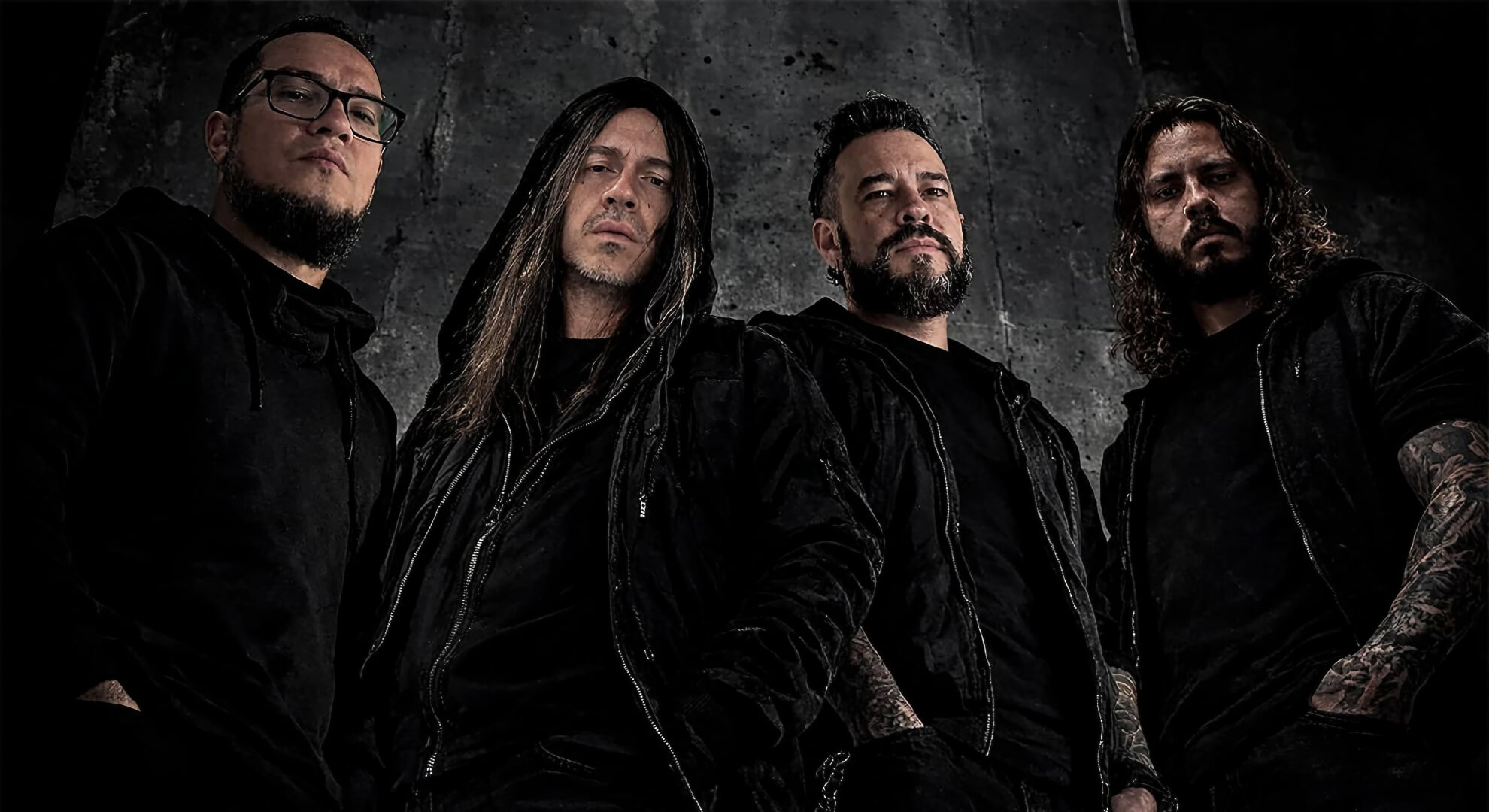
This visual presentation evokes the high-contrast chiaroscuro of German Expressionist cinema—where shadows are active participants in the narrative.3 The band is instantly recognizable by their hooded jackets and obscured faces, a stance framed as a mechanism for “ego death” and a rejection of the “cult of personality.”
Live reviews consistently describe their performance as a “dark mass,” where the lack of crowd interaction allows the audience to focus entirely on the sound.
The Return of the Goblin King
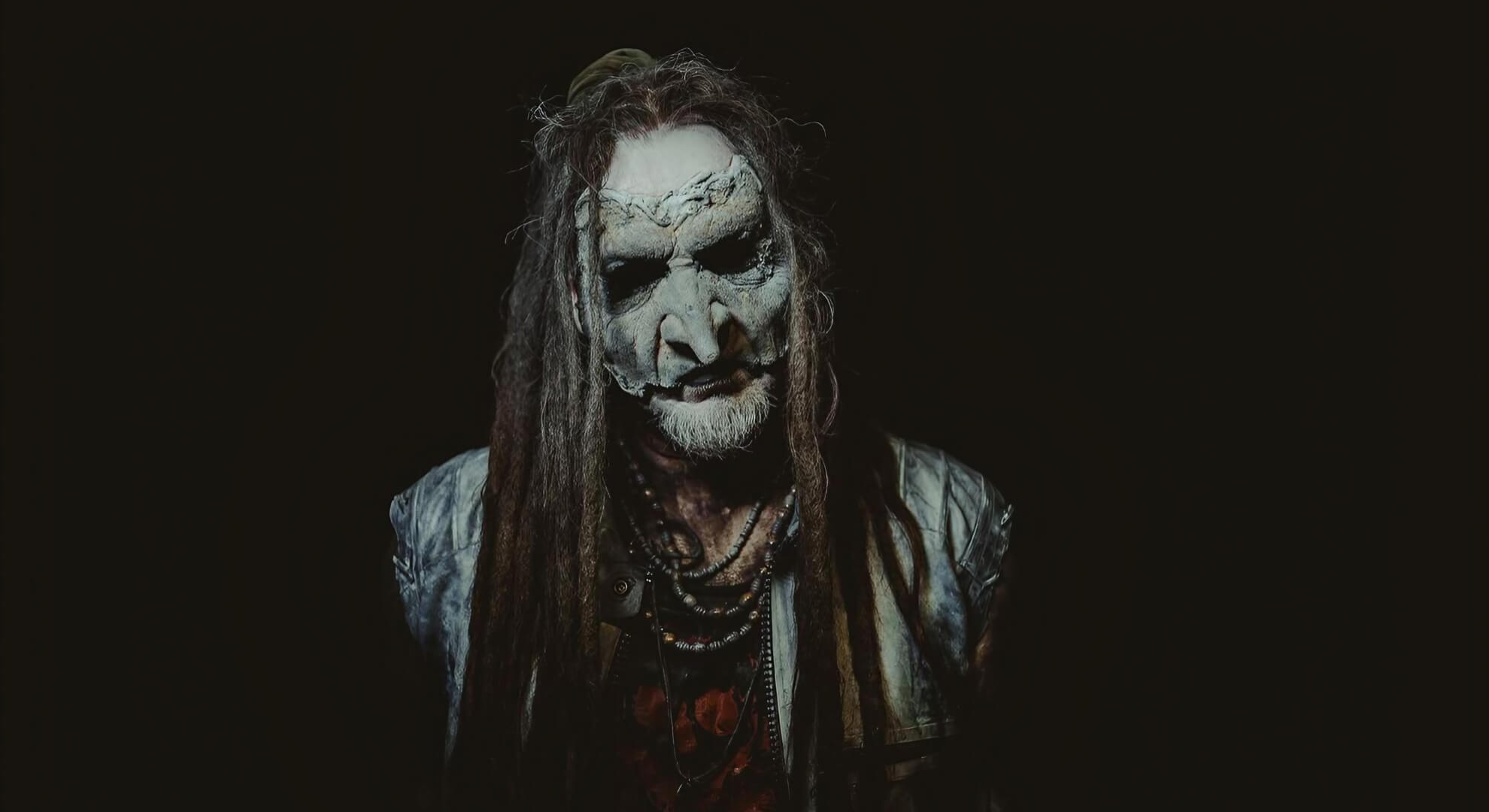
Contextualizing Mortiis’s role as co-headliner requires a look back at the artist’s chameleonic career. After defining the Dungeon Synth genre in the 90s, Mortiis shifted radically to industrial rock in 2001 with ‘The Smell of Rain.’ For the Witches of Dystopia tour, he is reviving this specific era to celebrate the album’s 25th anniversary.
Released at the turn of the millennium, ‘The Smell of Rain’ was a shock to the system, blending the artist’s fantasy origins with the neon-lit streets of a cyberpunk dystopia. Mortiis explains his return to this sound by noting that he has begun to hear “musical echoes” from that era in his recent work. The album’s themes—paranoia, mental instability, and despair—have found a renewed resonance in the mid-2020s.4
Fans can expect hits like ‘Parasite God,’ an anthem featuring a thumping bassline that bridges the gap between goth club and metal show, and ‘Smell the Witch,’ a conceptually perfect song for the tour featuring heavy guitar textures. Unlike his recent ambient sets, this performance promises to be dynamic and danceable, shifting the aesthetic from medieval fantasy to a bleak industrial dreamscape.
Bloodlines and Exiles
A unique component of the tour is the inclusion of a special set celebrating the 30th anniversary of Ceremonial Castings, the band founded in 1996 by Jake Superchi and his brother Nick Superchi. This reunion is a family ritual, tracing their lineage back to the Salem Witch Trials—a connection that fuels the bewitching themes of their lyrics.5 Their sound, dubbed “American Deathphonic Black Metal,” blends death metal aggression with symphonic elements, offering a chaotic counterpoint to Uada’s precision.
Opening the evening is Wraith Knight, the solo dungeon synth project of Nick Superchi. Described as a “new innovation engine,” Wraith Knight blends classic fantasy sounds with cinematic scope, serving as the atmospheric glue that transports the audience from the city street into the realm of high fantasy.
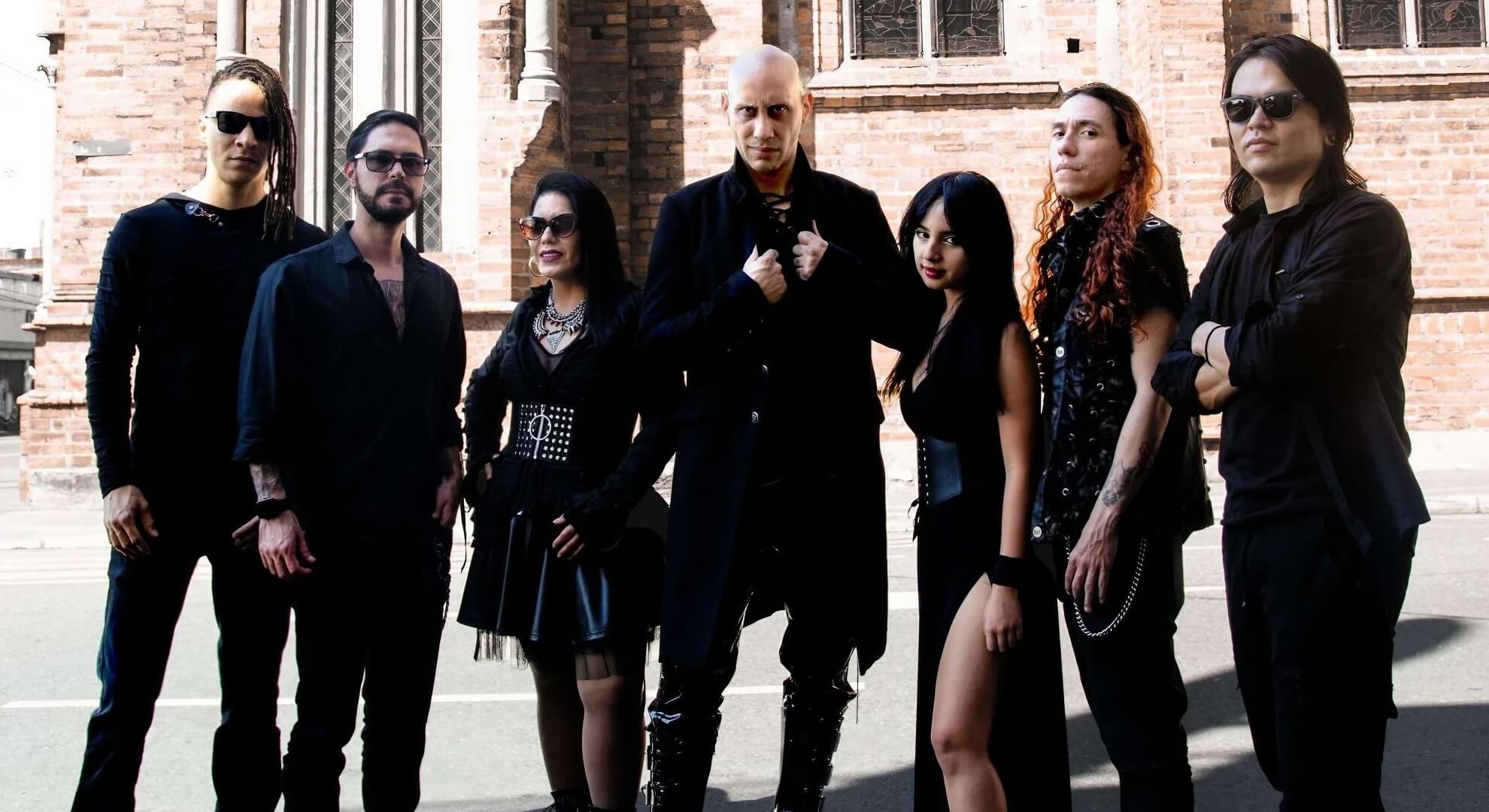
Adding a layer of sophisticated gloom is Rome, the neofolk project of Jerome Reuter. An outlier in the lineup, Rome’s sound is defined by acoustic guitars, martial drumming, and deep baritone vocals. Reuter’s lyrics grapple with the “European soul” and history, offering a meditation on dystopia that is political rather than fantastical.6
A Curated Dystopia
In his statement announcing the tour, Jake Superchi emphasized his appreciation for “thoughtfully mixed bills,” using the curatorial process to critique the homogeneity of the current touring circuit.
The Witches of Dystopia tour creates a distinct narrative arc: it begins with the fantastical prologue of Wraith Knight, moves to the historical grounding of Rome, erupts into the ancestral chaos of Ceremonial Castings, transitions to the industrial party of Mortiis, and concludes with the atmospheric catharsis of Uada.
The tour commences on April 10, 2026, in Portland, Oregon at Dante’s, a kickoff that promises a fervent crowd in the band’s hometown. It hits key cultural hubs including Chicago’s Reggies and Toronto’s Lee’s Palace, before concluding on the West Coast at The Echo in Los Angeles. The year 2026 serves as a perfect backdrop for this lineup, as the themes of dystopia explored by the artists align with the global zeitgeist of instability.
The convergence of Uada’s acoustic introspection and Mortiis’s industrial cynicism offers a necessary dualism for the modern age. As the ‘The Purging Fire’ video invites the listener into the silence of the void, the upcoming tour prepares to drag them into the noise of the machine.
It acknowledges that to survive the spiritual winter of 2026, one must be fluent in both the language of the trees and the rhythm of the factory. When the hooded spectres and the goblin king finally share the stage, they will not be performing a funeral rite for the past, but casting a spell for survival in a world that has forgotten the sound of its own heartbeat.
On the precipice of this diverse sonic ritual, one question remains for the initiate: In a time when the lines between the organic and the industrial are increasingly blurred, which face of this dystopian coin—the acoustic vulnerability of the forest or the synthetic pulse of the machine—do you believe will offer the most potent catharsis when witnessed in the flesh?
References:
- Henry David Thoreau, ‘Walden’ (Boston: Ticknor and Fields, 1854). ↩︎
- Friedrich Nietzsche, ‘Beyond Good and Evil,’ trans. Walter Kaufmann (New York: Random House, 1966), 89. ↩︎
- Lotte H. Eisner, ‘The Haunted Screen: Expressionism in the German Cinema and the Influence of Max Reinhardt’ (Berkeley: University of California Press, 1973). ↩︎
- S. Alexander Reed, ‘Assimilate: A Critical History of Industrial Music’ (New York: Oxford University Press, 2013). ↩︎
- Paul Boyer and Stephen Nissenbaum, ‘Salem Possessed: The Social Origins of Witchcraft’ (Cambridge: Harvard University Press, 1974). ↩︎
- Peter Webb, ‘Exploring the Networked Worlds of Popular Music: Milieu Cultures’ (New York: Routledge, 2007). ↩︎

Leave a Reply