
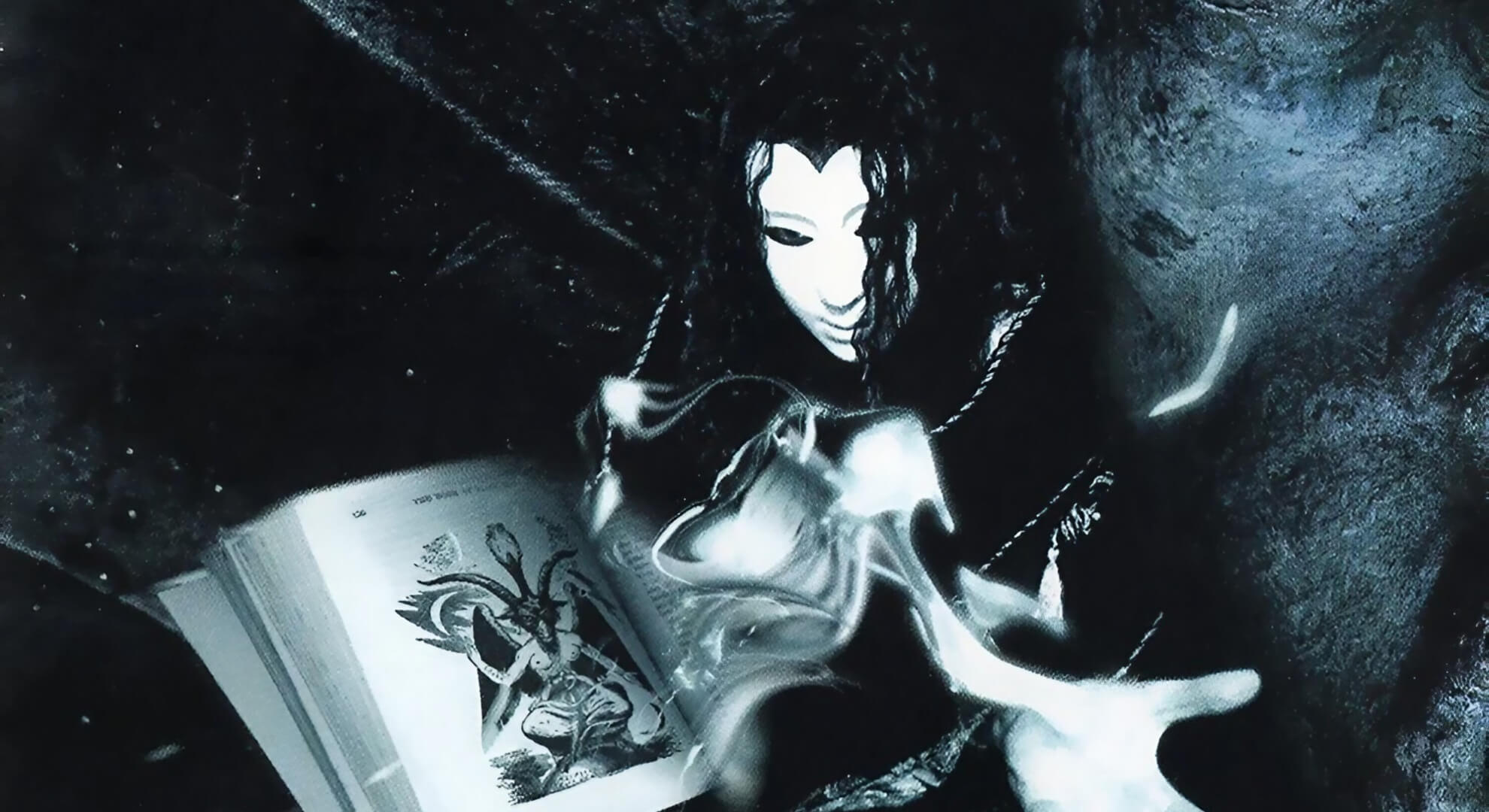


By 1997, Norwegian heavy metal was known to the world less for its music than for the smoke, ash, and violence that had defined its recent past. In the early years of the decade, a small circle of musicians in Oslo initiated what they termed “true Norwegian black metal,” a movement characterized as much by its violent acts as by its sound. Its public image was built on a stark and consistent set of symbols: musicians in funereal “corpse paint,” photographs of incinerated historic churches, and a torrent of media reports on murder, suicide, and a militant strain of Satanism that positioned itself against Norway’s secular society. Underpinning the movement was a misanthropic ideology with a correspondingly strict musical doctrine: low-fidelity production, high-pitched shrieking vocals, and an overarching atmosphere of hostility.
On October 27 of that year, however, a new release offered a starkly different vision. Instead of the genre’s raw fury, it presented something akin to a decadent, infernal theatre.
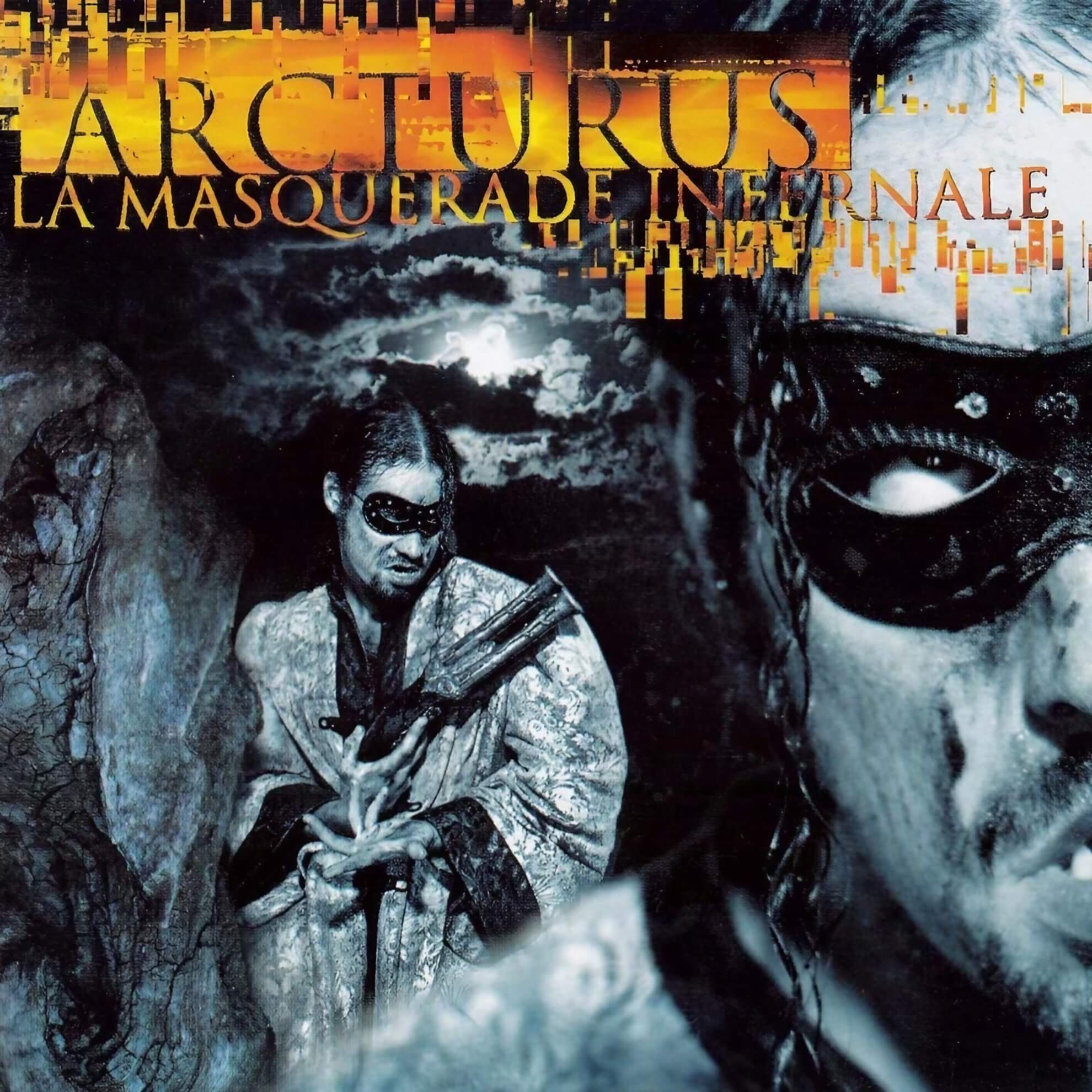
The album, Arcturus’s ‘La Masquerade Infernale,’ eschewed the genre’s typical adornments of spikes and leather for an aesthetic more suited to velvet and gaslight. It proposed a world of intellectual deviance and surrealist horror, trading the scene’s primitive violence for a sound that was complex, theatrical, and, in its own way, more subversive.
For the musicians involved, this was more than an experiment; it was a deliberate act of artistic heresy, one they saw as born from philosophical necessity. From the ashes of a scene that had effectively immolated itself, a new form of rebellion emerged, one that turned its focus inward to the psyche, outward to the cosmos, and back through time to literature and the stage.
The Burnt Church and the Broken Circle
To appreciate the radical departure that ‘La Masquerade Infernale’ represented, one must first consider the dogmatic environment it rejected. The movement’s epicenter was an Oslo record shop named Helvete, Norwegian for “Hell,” run by Øystein Aarseth, the guitarist of the band Mayhem.
The shop became the headquarters for a self-proclaimed “Black Circle,” a group that espoused a militant Satanist ideology. Its members aimed to spread what they termed terror and evil, framed as a symbolic retaliation against Christianity, which they viewed as an oppressive, foreign influence on Norwegian culture. Before long, this ideology transitioned from rhetoric to reality, with violent consequences.
The 1991 death by suicide of Mayhem’s vocalist, Per “Dead” Ohlin, appeared to serve as a catalyst, pushing the scene’s ideology toward tangible violence. A wave of church arsons followed, culminating in an event that would lead to the movement’s dissolution: in August 1993, Varg Vikernes of the band Burzum murdered Aarseth, the scene’s central ideologue.
The murder of Aarseth by a fellow musician represented more than a violent crime; it was an ideological collapse for the movement. The act dismantled the scene’s foundational myth of a unified front against society, revealing it to be a fiction. The aggression once directed at the establishment had turned inward, consuming one of its main architects and precipitating a philosophical crisis for the remaining artists.
The rebellion Aarseth had championed was predicated on an external, physical conflict and a militant brand of Satanism. When that same impulse proved to be chaotic and self-destructive, the movement’s ideological underpinnings dissolved. With the original path leading to prison or the grave, and its philosophy discredited, a new form of dissent was required.
For many of the artists, the only rebellion left was an internal, intellectual one. The focus shifted from burning churches to rewriting the rules of the genre itself.
The Great Norwegian Un-Blackening
Arcturus was not an isolated phenomenon. The band’s 1997 album was a landmark in what has since been called the “Weirding of Norway,” a period of intense experimentation during which many of the scene’s most prominent artists began to distance themselves from what they viewed as black metal’s perceived immaturity and rigid dogma.
This creative surge is regarded by many observers as the true second wave of Norwegian metal — not a continuation of the original sound, but a direct, artistic reaction to its ideological and musical impasse. Having witnessed where the path of destructive rebellion led, these artists instead chose a deconstructive approach, turning their focus toward reinventing the genre they had helped to build.
The artistic shift was driven by a group of influential musicians from within the scene. Kristoffer Rygg, who performed vocals for Arcturus on ‘La Masquerade Infernale,’ was also guiding his main project, Ulver, in a new direction, away from folk-influenced black metal and toward electronic music.
Other prominent figures made similar departures. Ved Buens Ende, which included the Arcturus bassist Hugh Mingay, experimented with dissonant, jazz-inflected arrangements, while bands such as In the Woods… and Solefald moved toward more progressive and psychedelic sounds.
This departure from convention provoked a hostile reaction from the genre’s purists, with some of the experimental bands reportedly receiving death threats for what was perceived as a betrayal of black metal’s principles.
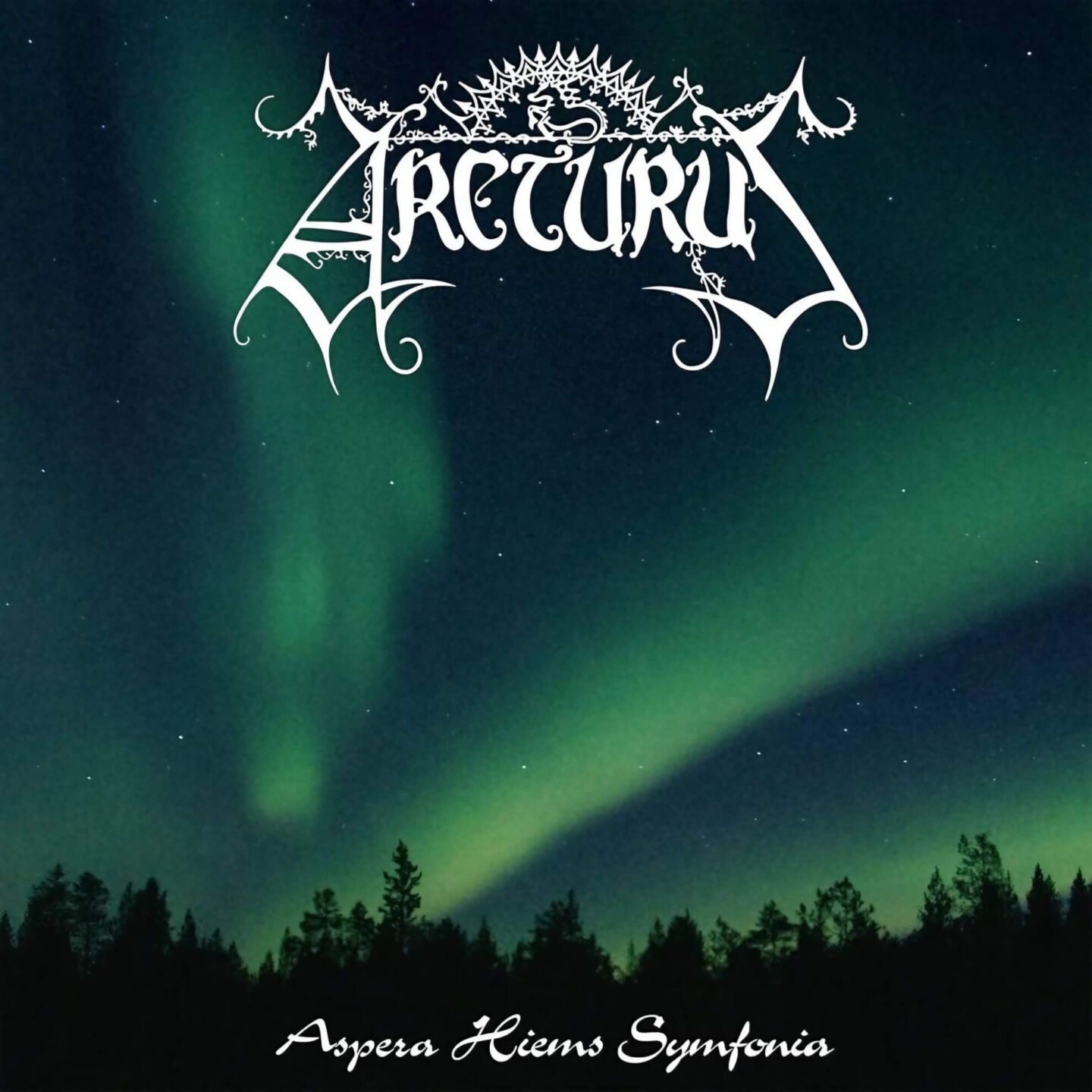
Before undertaking such a radical shift, however, Arcturus first established its credentials within the existing genre. Tellingly, the band’s 1996 debut, ‘Aspera Hiems Symfonia,’ was released by Misanthropy Records, a label founded in the aftermath of the scene’s implosion that became a key outlet for the new wave of experimental artists.
Considered a benchmark of atmospheric symphonic black metal, the album was marked by a more restrained and melodic approach than many of its contemporaries, featuring expansive keyboard arrangements that created a cinematic, winter-themed soundscape. It was met with widespread critical praise and is regarded by some critics as one of the genre’s finest works.
In retrospect, the album is seen not so much as a new beginning but as the culmination of a particular style. It served as the band’s definitive statement on the conventions of the scene, a refinement of an existing form that subsequently cleared the path for the experimentation that would follow.
‘La Masquerade Infernale’: A Symphony for a Demonic Vaudeville
Released by Misanthropy Records on October 27, 1997, ‘La Masquerade Infernale’ was presented less as a conventional album and more as the score for a surrealist play set in a demonic ballroom. The conceptual leap from their debut was staggering, as Arcturus abandoned naturalistic themes for a world of theatre, literature, and a sophisticated, Faustian exploration of Satanism.
This required an equally theatrical sound, a dizzying fusion of metallic, symphonic, and carnivalesque elements that formed a captivating, cohesive whole. The album immediately establishes its unpredictable nature with ‘Master of Disguise,’ a piece of convoluted progressive rock, before continuing its journey with the otherworldly ‘Ad Astra,’ a track described as a “tango from another planet.”
The descent into madness deepens with ‘The Chaos Path,’ a piece of vaudeville for perverts that layers carnival music over a heavy metal riff before shocking listeners with a drum ‘n’ bass breakbeat.
After the brief, eerie instrumental title track, the album offers a moment of relative stability with ‘Alone,’ a thunderous rock anthem built around an Edgar Allan Poe poem. The play’s final acts showcase the album’s dynamic range, from the sophisticated acoustic layers and bizarre vocal harmonies of ‘The Throne of Tragedy’ to the haunted, organ-grinder feel of ‘Painting My Horror.’
The album’s last vocal track, ‘Of Nails and Sinners,’ uses a church organ to create the atmosphere of a blasphemous high mass. This embrace of overt artifice also functions as a sophisticated critique of the black metal scene’s obsession with “authenticity.” Where their peers claimed their grim personas were real, Arcturus reveled in the performance, presenting themselves as actors.
Quoting Charles Baudelaire in ‘Master of Disguise’ — “No! This face is only a mask, a wicked ornament” — they acknowledged that all identity is a performance, elevating that concept to the level of high art.
The Devil’s Library
The album’s conceptual ambitions matched its musical ones. Officially dedicated to “the Perilous Quest of the Faustian Spirit,” the record presents a narrative journey into a metaphorical hell where damnation is not a punishment but a goal. The work draws heavily on literary and philosophical sources to build its intellectually challenging themes.
The lyrics for the song ‘Alone,’ for instance, are taken directly from a poem by Edgar Allan Poe, establishing a tone of romantic isolation. The album’s primary philosophical influence, however, is the nihilism of Friedrich Nietzsche. Several tracks appear to directly engage with his ideas.
The song ‘Ad Astra’ is interpreted as an expression of Nietzsche’s famous proclamation that “God is dead.” ‘The Throne of Tragedy’ seems to explore the subsequent existential crisis, with opening lines that have been read as a symbol for the collapse of divine moral law. The album then offers a resolution in ‘Painting My Horror,’ a track that celebrates the transcendence of conventional morality—an embrace of what it calls a “devilish nature”—in a clear parallel to Nietzsche’s concept of the “Übermensch,” or “overman.”
Voices from the Abyss
One of the album’s most striking departures from the conventions of the genre was its vocal approach. In a move central to the record’s theatrical concept, the band abandoned the characteristic black metal shriek. The vocalist, Kristoffer Rygg, known as Garm, instead adopted a low-toned and dramatic clean singing style, one that critics have described as part gothic crooner and part unhinged narrator.
This was contrasted with the guest performance of Simen Hestnæs, or ICS Vortex, who contributed a soaring, high-pitched operatic wail that was unlike anything common in the genre at the time. The interplay between these two distinct styles redefined the vocal possibilities within extreme music, suggesting that its dark themes could be conveyed not just through aggression, but through performance, character, and a sense of sublime madness.
A Permission to Be Weird
The album’s impact can be seen in the work of several subsequent bands. A direct line of stylistic inheritance is apparent in the music of Vulture Industries, a group from Bergen, Norway, whose debut album was regarded by critics as a spiritual successor, particularly for its theatrical, baritone vocals and carnival-like song structures.
The band Solefald, a contemporary, pursued a similar path, sharing the album’s postmodern philosophical approach and experimental spirit. Perhaps the most telling illustration of the record’s long-term legacy, however, is found in the Hungarian avant-garde project Thy Catafalque.
The experimental groundwork laid by Arcturus was crucial for the development of Thy Catafalque, which eventually cultivated a sound so distinct that Arcturus’s own later material would be compared to it — a dynamic in which an influential artist is measured against the work of a band it inspired.
Correcting the Canon
Though it was considered perplexing by many listeners upon its release, ‘La Masquerade Infernale’ received widespread critical acclaim. The album’s legacy was further solidified in 2021, when Metal Hammer magazine ranked it the 13th-best symphonic metal album of all time. Yet its inclusion in the symphonic metal canon is something of a paradox.
The genre is typically defined by bands such as Nightwish and Epica, which use orchestral arrangements to evoke a sense of grandeur and romantic power. Arcturus, in contrast, deployed the same instruments for a more subversive end, creating an atmosphere of unease, madness, and the grotesque.
The album stands as a work that employs the language of the symphonic tradition to produce a sound that is, in its emotional effect, anti-symphonic—a reflection of its singular and challenging vision.
Conclusion
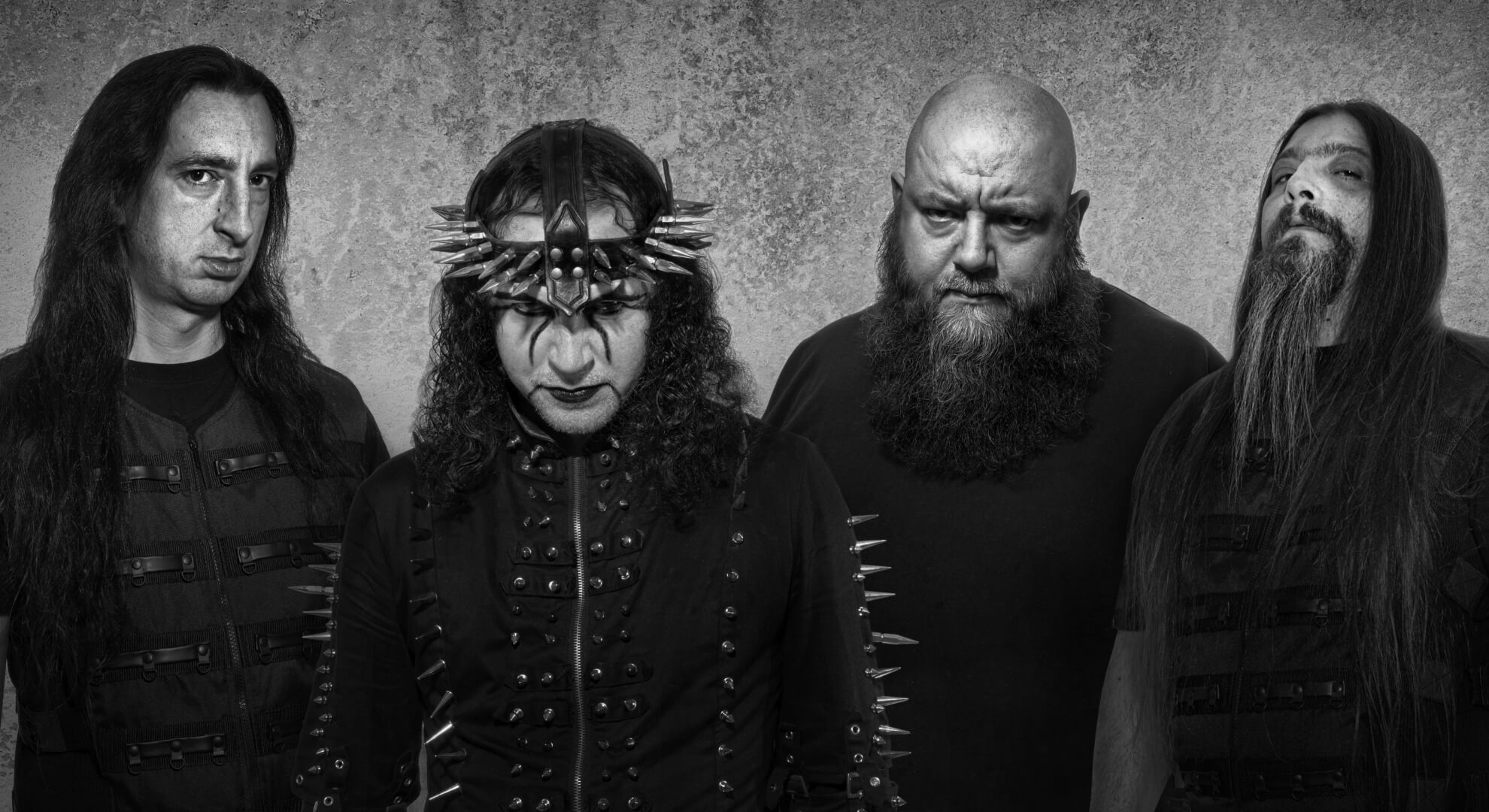
Decades after its release, ‘La Masquerade Infernale’ remains a challenging work, often described as an acquired taste. For many listeners, however, it is regarded as a timeless masterpiece. The band’s career has continued, though not without occasional public confusion.
The band continues to be an active, if sporadic, presence. While no full tours have been announced for 2025 or 2026, Arcturus is scheduled to appear at several festivals, including Romania’s Metal Gates Festival in September 2025. For the band’s followers, a more significant development may be the news that a long period without new recordings appears to be drawing to a close.
In recent interviews, the keyboardist Steinar Johnsen, known as Sverd, confirmed that a new album is fully composed and awaiting final vocal recordings. Johnsen stated that the band’s plan is “to get a new album out, and start working on another right away.” For the creators of the infernal masquerade, it appears the next act is set to begin.
Leave a Reply