
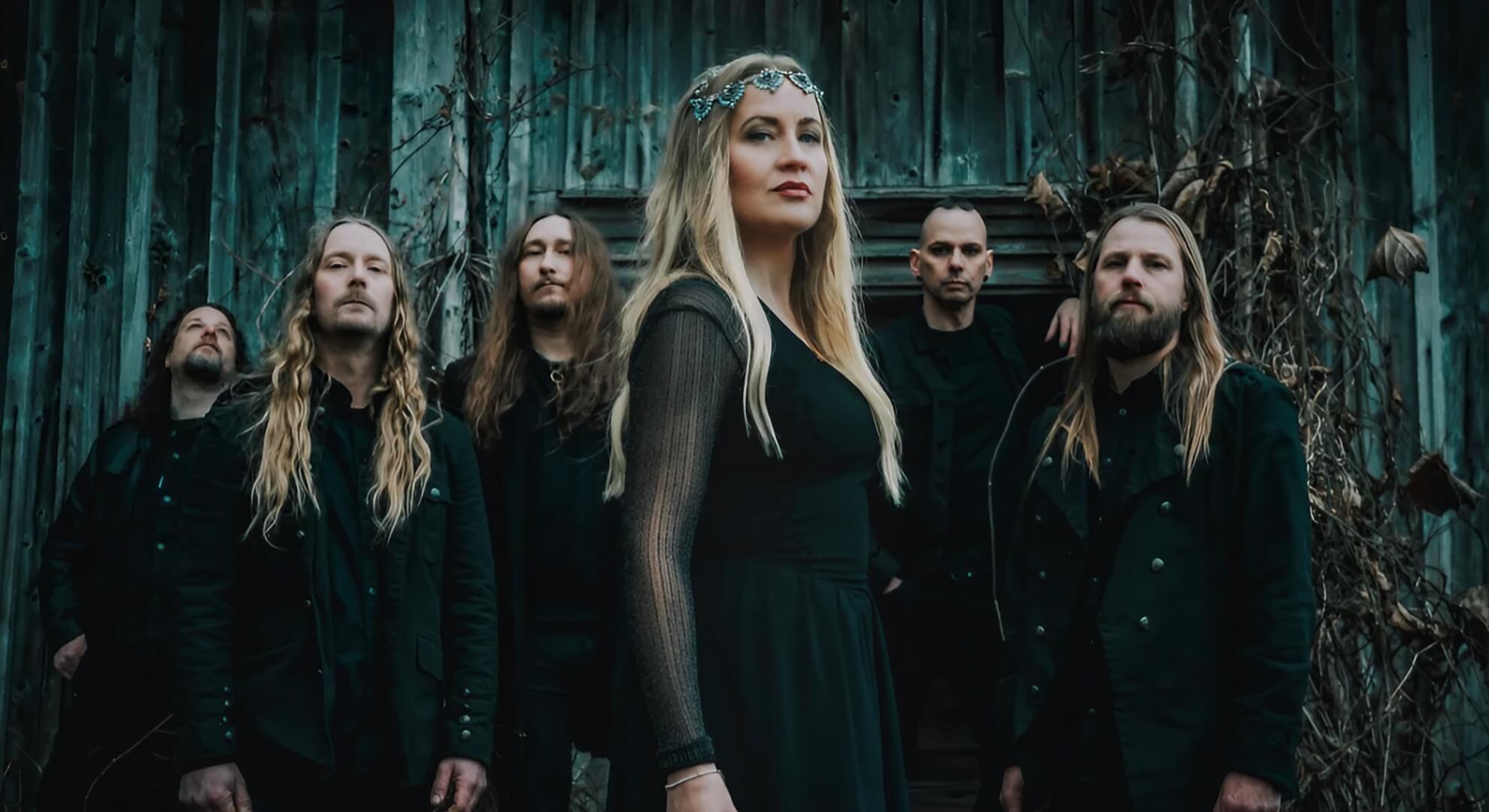


High in the Andes, where the altitude itself imposes a breathless reverence, the return of Swedish gothic doom masters Draconian feels less like a concert tour and more like a pilgrimage to a spiritual home. On May 21, 2026, the band will ascend the stage at Bogotá’s Teatro Astor Plaza for the Colombian leg of their Latin America Tour 2026.
Accompanied by special guest Emma Ruth Rundle, whose ethereal dark folk textures complement the headliner’s heaviness, the performance will mark more than just a promotional stop for their seminal 2020 album, ‘Under a Godless Veil,’ or the presentation of their eighth studio album. It signals a liturgical enactment of sorrow, a convergence of Nordic atmospheric metal and the specific, resonant melancholy of the Colombian capital.
Following their visceral 2023 debut at a dedicated local rock venue, this shift to the mid-century grandeur of the Teatro Astor Plaza signals a profound evolution in the band’s relationship with the region. It offers a unique lens through which to view the band’s internal metamorphosis—tracing the artistic trajectory from the departure of longtime drummer Jerry Torstensson and the induction of Daniel Johansson to the cementing of original vocalist Lisa Johansson’s return.
Simultaneously, the event invites an exploration of the sociological currents that allow the specific frequency of Scandinavian doom to resonate so powerfully within this high-altitude metropolis, drawing on the city’s history of “Ultra Metal” and the cultural concept of “despecho.”
Teatro Astor Plaza as the Conduit
The upcoming 2026 performance requires an understanding of its new setting. Draconian’s move to the Teatro Astor Plaza, departing from the club circuit of their 2023 performance, signals a major change in their Colombian presentation. Previously, the band thrived on the raw, club-based energy typical of the rock scene, as noted in our coverage of their 2023 tour. However, the Teatro Astor Plaza suggests a transition toward a more ceremonial, acoustic, and theatrical experience.
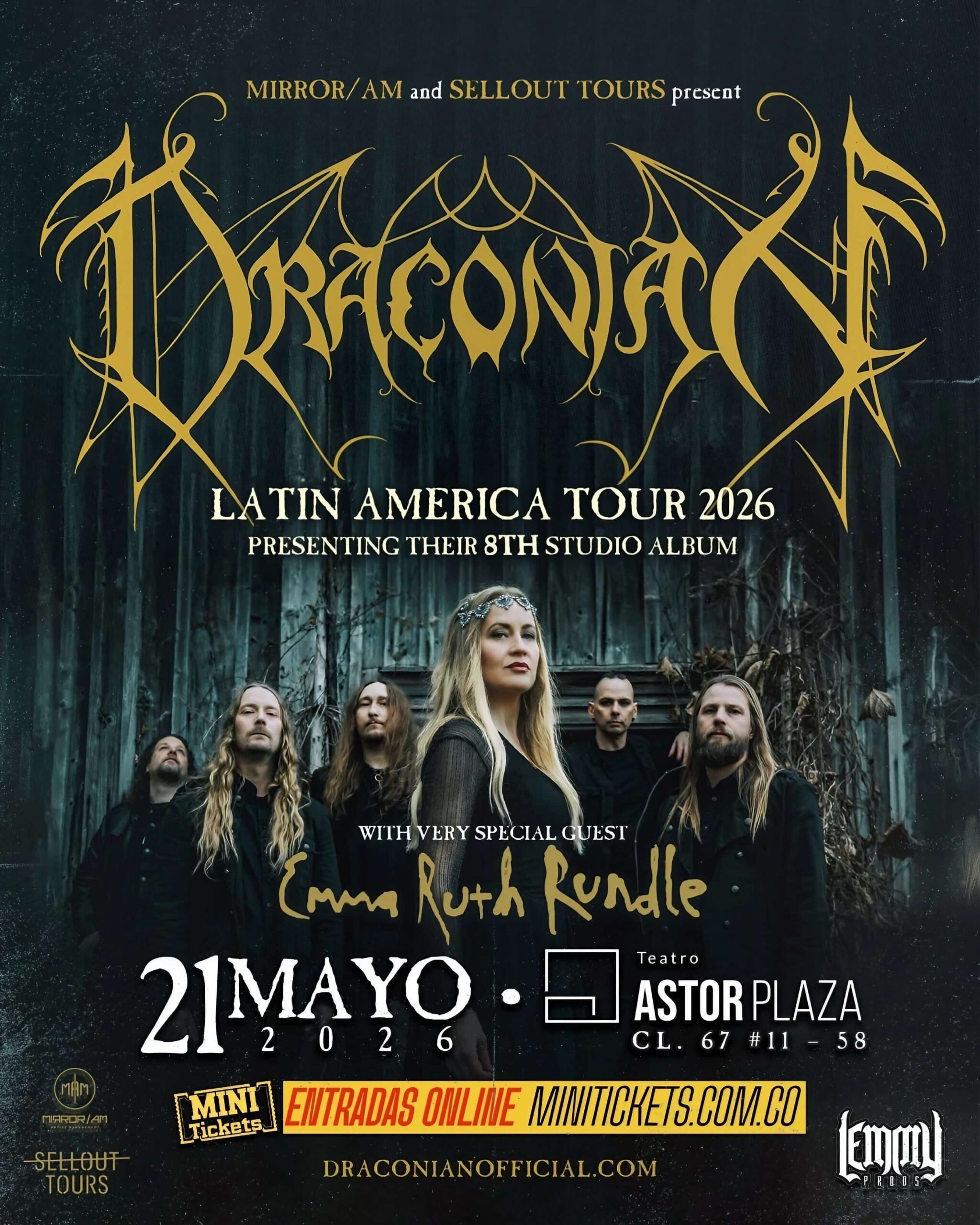
Located at Calle 67 #11-58 in the Chapinero district, the Teatro Astor Plaza is a structural participant in Bogotá’s cultural dialogue. Inaugurated in 1970, the theater was designed by the renowned architect Hernando Cárdenas. Its design reflects a transitional period in Colombian architecture, merging the stark, functional lines of mid-century modernism with a traditional sensitivity to public gathering spaces.
Access to this ritualistic event is exclusively managed through official channels. The ticketing follows a single-tier General Admission structure, typical for rock events at the Teatro Astor Plaza. Priced at $180,000 COP (approximately $45.00 USD), the ticket cost reflects both the prestige of the venue and the international caliber of the artists.
This valuation positions the event among the most elite on Bogotá’s metal calendar, effectively ensuring the audience is composed of the genre’s most dedicated devotees who perceive their attendance not merely as entertainment, but as an essential cultural ceremony.
Acoustic Design and Doom Metal
The primary distinction of the Teatro Astor Plaza is its acoustic character. Doom metal, specifically the atmospheric variety practiced by Draconian, relies heavily on the separation of frequencies. The crushing lows of the rhythm guitars must be distinct from the ethereal highs of the soprano vocals and the ambient wash of keyboards. In cavernous arenas or dense clubs, these frequencies often collide, creating a muddy mix where the theological nuance of the verses is lost to sheer volume.
However, the Teatro Astor Plaza was initially built to cater to the burgeoning film industry and high-end live performances. Its internal geometry is designed for projection and clarity. As noted in our coverage of the Dark Tranquillity concert scheduled for this same venue, the space allows for a technical tightness and an overwhelming soundscape that elevates a concert to theater in its purest form. For Draconian, whose recent work ‘Under a Godless Veil’ relies on subtle synth textures and spoken-word narration, this acoustic fidelity is paramount.
Comparing the 2023 club venue with the 2026 theater setting reveals the magnitude of this shift. The former offered a high-volume, physically impactful environment prone to frequency saturation, suitable for a high-density, sweat-drenched rock show. In contrast, the Teatro Astor Plaza offers a mid-sized capacity of approximately 1,200 in a grand, ceremonial atmosphere designed for cinematic clarity.
This change allows the intricate production of ‘Under a Godless Veil’ to be heard as recorded, favoring the delicate interplay of vocal layers. Furthermore, moving from an industrial commercial access point on Avenida Boyacá to the cultural and bohemian hub of Chapinero places the event in the center of Bogotá’s artistic district, elevating the band’s status and accommodating the cultural ritual aspect of the event.
The Chapinero Ecology
The location of the theater in Chapinero adds a layer of socio-cultural context. Chapinero is a nexus of Bogotá’s diverse identities—a place where the academic, the bohemian, and the commercial intersect. For a metal concert, this location is pivotal. It grounds the performance in the urban reality of the city. The area’s history as a hub for artistic expression aligns with Draconian’s status as purveyors of “art metal”—music that demands intellectual engagement alongside physical participation.
Furthermore, the altitude of Bogotá, sitting at 2,640 meters above sea level, physically alters the experience of live music. The thin air affects both the performers and the audience, often leading to a breathless intensity that heightens the emotional stakes of the performance. For a band that sings of ascending into darkness and the suffocating veil of the material world, the physical environment of the High Andes serves as a somatic reinforcement of the narratives.
‘Under a Godless Veil’ Sonic Theology
The primary material Draconian brings to Bogotá is anchored in their 2020 masterpiece, ‘Under a Godless Veil,’ and the anticipated eighth studio album. To classify ‘Under a Godless Veil’ merely as gothic metal is to overlook its profound theological ambition. The record is a concept album deeply rooted in Sethian Gnosticism, a sect of early Christianity and mysticism that viewed the material world not as a divine creation, but as a prison crafted by a malevolent or ignorant demiurge.
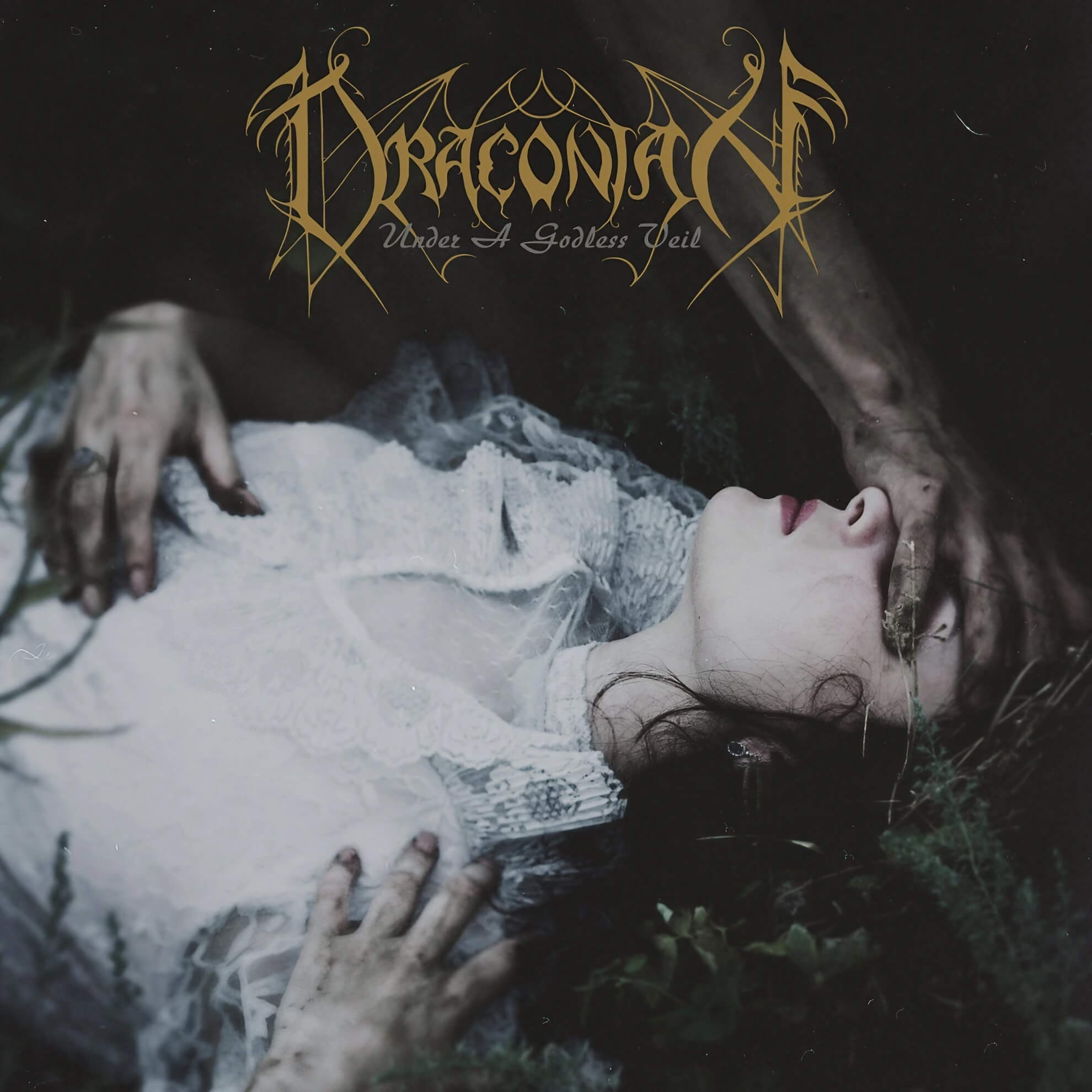
Anders Jacobsson, the band’s growling vocalist and primary lyricist, has explicitly stated that the album explores the myth of Sophia (Wisdom). In Gnostic cosmology, Sophia is an Aeon—an emanation of the true, unknowable God—who, through a moment of hubris or passion, attempts to create without her consort. The result is the Demiurge (often identified with the Old Testament God or Sabaoth), a monstrous entity that creates the material universe to trap sparks of the divine.
This narrative provides the emotional architecture for the concert. The songs are not simply about earthly sadness; they are about cosmic alienation. The “veil” in the title refers to the barrier between the material realm (the Kenoma) and the divine realm (the Pleroma). When Draconian performs in Bogotá, they are essentially enacting a Gnostic liturgy, identifying the audience as fellow sparks trapped in the material plane.
The Speculative Setlist
The repertoire for the 2026 tour functions less as a standard hit parade and more as a narrative cycle. The performance is expected to rely heavily on the Sethian mythos, transforming the venue into a space of gnostic contemplation. ‘Sorrow of Sophia’ serves as the likely genesis point of the evening, detailing Sophia’s descent.
In the live setting, the transition from ethereal textures to crushing doom heaviness serves as a sonic representation of the fall into matter—a metaphysical anguish made palpable in the theater’s acoustics. This leads into ‘The Sacrificial Flame,’ an anthem for the divine spark trapped within humanity. Its heavy riffing mirrors the struggle of the spirit against the body, functioning as a moment of collective resistance against the Demiurge for the audience.
Finally, the nine-minute closer ‘Ascend Into Darkness’ acts as the resolution of the concert. To ascend into darkness is to return to the true, unknown God. Its performance signals the final dissolution of the self into the divine, leaving the audience in a state of breathless reverence.
Sonic textures translate this theology throughout the performance. Critics have noted that ‘Under a Godless Veil’ differs from its predecessor, ‘Sovran,’ by being more subtle and darker rather than heavier. It relies less on sheer sonic density and more on creating a glitch in the matrix atmosphere—a sense that something is fundamentally wrong with reality. This sonic subtlety requires the attentive audience found in Bogotá, contrasting with the more casual consumption of metal often found in saturated markets.
The Voice of the Ghost
The specific atmospheric texture of Draconian’s 2020 album, ‘Under a Godless Veil,’ was intrinsically linked to vocalist Heike Langhans, whose breathy, ghostly delivery was often likened to Aleah Stanbridge of Trees of Eternity. Langhans’ voice brought a sense of fragility and detachment perfectly suited to the album’s Gnostic theme of a spirit trapped in a foreign realm.
The album was her second and final with the band before her amicable departure in 2022 to focus on family and solo projects—a critical element in the narrative of the band’s 2026 tour.
The return of Lisa Johansson, the band’s vocalist from their debut through 2011, marks a rare moment of circular history in the metal world. Johansson’s voice is distinct from Langhans’; it is described as schooled, powerful, and emotive in a dramatic, almost operatic sense. While Langhans sounded like a spirit floating above the music, Johansson sings from within the emotional storm.
For the audience at Teatro Astor Plaza, this presents a fascinating interpretive layer. Johansson will be performing songs written for Langhans’ voice, such as ‘Sorrow of Sophia’ and ‘Sleepwalkers,’ alongside her own classics.
Reports from the band’s 2022 Hellfest set—referenced in our earlier reporting as the definitive torch-passing ritual where both vocalists shared the stage—indicate that Johansson brings a new robustness to the newer tracks. She does not merely imitate Langhans’ ethereal style; she reinterprets the songs with the weight of the band’s earlier history, specifically the ‘Arcane Rain Fell’ era.
Comparing the two vocalists reveals a compelling dialectic at the heart of the band’s identity. Lisa Johansson, the returning matriarch who defined the era from 2002 to 2011 and returned in 2022, offers a resonant, emotional, and dramatic timbre. She anchors albums like ‘Arcane Rain Fell’ and ‘Turning Season Within,’ representing the theological role of human suffering and immanence.
In the 2026 context, her presence reclaims the band’s identity, bridging the 2005 classics with 2020 themes. Conversely, Heike Langhans, the ethereal ghost of the 2012–2022 era, defined ‘Sovran’ and ‘Under a Godless Veil’ with a breathy, detached, and angelic delivery. Her role represented the trapped spirit and transcendence. Although she has departed, her material remains the core of the setlist, now interpreted through Lisa’s powerful voice.
Beyond the vocalists, the 2026 lineup features a significant change in the rhythm section. Longtime drummer Jerry Torstensson, a member since 2002, left the band in 2025 and was replaced by Daniel Johansson. For a doom metal band, the drummer is the anchor of time. The tempo is glacial; every hit must be precise and weighty. Daniel Johansson’s integration (having toured with the band since 2019) ensures continuity, but his official induction in 2025 marks the beginning of a new rhythmic era for the band.
The Resonance of Bogotá
Comprehending why a Swedish doom metal band would find one of its most intense audiences in Colombia requires looking at the history of heavy music in the region. Medellín and Bogotá were the birthplaces of “Ultra Metal” in the 1980s, a movement characterized by a raw, nihilistic sound that prefigured the Scandinavian black metal scene. Bands like Parabellum and Reencarnación created a sonic violence that mirrored the social turbulence of the era—the drug wars, the political instability, and the urban violence.
While Draconian plays a slower, more melodic style, the cultural infrastructure for extreme music in Colombia is built on this foundation of intensity. Metal in Colombia was never just a hobby; it was a form of resistance and catharsis. As noted in interviews with local metal historians, the music was a way to process the hellish environment of the era. The darkness in the music was not a fantasy; it was a reflection of reality.
Gothic Doom metal, specifically, resonates with the concept of “despecho”—a deep, melancholic longing or heartbreak that pervades much of Latin American culture, often associated with ranchera or tango, but applicable here to the romantic doom of Draconian. The slow tempos and sorrowful melodies tap into a collective emotional reservoir.
Fan discussions and reviews of metal concerts in Bogotá consistently highlight the vibe of the audience. Attendees are described as absurdly passionate, often knowledgeable about the deepest cuts of a band’s discography. Unlike European audiences, which can sometimes be reserved or analytical, the Colombian crowd participates viscerally. They sing along to guitar melodies, weep openly, and engage in physical release even during slower, atmospheric sections.
Draconian’s previous engagement in Bogotá provides a blueprint for the 2026 return. In August 2023, the band performed at a dedicated rock club in the city. The setlist included tracks like ‘The Sacrificial Flame,’ ‘Lustrous Heart,’ and classics like ‘Elysian Night’ and ‘A Scenery of Loss.’
Reviews of that night describe a rapturous reception. As we noted in our coverage of their inaugural Latin American tour, fans had been requesting a visit since the early 2000s. The 2023 show was a release of twenty years of pent-up anticipation. The transition to the Teatro Astor Plaza in 2026 suggests that the promoters recognize this demand has outgrown the club circuit. It signals a shift from a gig to a concert experience, befitting the cinematic scope of the upcoming 2026 album.
A Year of Heavy Music
The Draconian concert does not exist in a vacuum. The 2025-2026 period in Bogotá is shaping up to be a renaissance for heavy music. The calendar includes a robust schedule for darker, more niche acts: Dark Tranquillity in January 2026 at the same Teatro Astor Plaza, and Katatonia in March.
This density of programming suggests a healthy, thriving ecosystem. Draconian’s date in May places them in a prime position—after the massive influx of the early year festivals but before the summer touring lull. They capture the audience that seeks the specific melancholic niche vacated by Katatonia just two months prior, a connection we explored in our recent feature on the Swedish masters’ return to Capital Live Music.
The carefully curated atmosphere, a cohesive exploration of shadow, is further solidified by the inclusion of Emma Ruth Rundle on the Draconian bill. Her presence bridges the gap between gothic doom and atmospheric dark folk.
The Lifting of the Veil
The return of Draconian to Bogotá on May 21, 2026, is a cultural event of high specificity. It is not merely a stop on a tour; it is the closing of a circle that began with the band’s demos in the late 90s and traveled through the digital underground to the ears of Colombian youths who found solace in the sadness.
The performance at Teatro Astor Plaza will serve as confirmation of the enduring power of gothic doom metal as a vehicle for processing sorrow. The music of ‘Under a Godless Veil’ argues that the world is flawed and filled with suffering, but that beauty and liberation can be found in the recognition of this darkness. For the audience in Bogotá—a city that has transformed through decades of resilience—this message is not abstract; it is lived history.
As Lisa Johansson’s clear soprano cuts through the crushing distortion of Anders Jacobsson’s growls, reverberating off the mid-century mosaics of the Teatro Astor Plaza, the audience will witness more than a concert. They will witness a sonic representation of the Gnostic dualism: light trapped in matter, struggling to ascend. In the thin air of the Andes, the “Godless Veil” will be, for one evening, rendered audible.
The attendee can expect a multi-faceted experience. The theological depth of the lyrics regarding Sophia and the Demiurge will elevate the music beyond standard melancholy. The vocal dynamic between Anders and the returning Lisa Johansson will offer a reunion of the band’s definitive sound and a reinterpretation of the Heike era.
The Teatro Astor Plaza offers a unique opportunity to experience this genre in an acoustically optimized setting, prioritizing clarity over sheer volume. The well-known passion of the Bogotá metal community is expected to significantly contribute to the performance’s energy. Furthermore, the band has confirmed that their eighth studio album concluded studio work in late 2025, and fans should anticipate hearing material from this new release.
As we anticipate this convergence of Nordic doom and Andean melancholy, we invite you to reflect: How does the prospect of witnessing this Gnostic liturgy within the breathless altitude of Bogotá reshape your understanding of the spiritual alienation at the heart of ‘Under a Godless Veil’?
Leave a Reply