


The Malmö Opera opens a new production of Antonín Dvořák’s ‘Rusalka’ on November 21, 2026, at 6:00 p.m. on its Storan stage, with performances scheduled through January 10, 2027. The Irish director Orpha Phelan stages the work and Daniel Carter conducts. It is sung in Czech to Jaroslav Kvapil’s libretto, with Swedish and English surtitles, and Matilda Sterby sings the title role.
The company presents the staging as a modern urban myth, a description that places the opera’s water-lore at the center of the evening and not at its edges.
The Cost of a Human Voice
Dvořák’s opera turns on a transaction. The water nymph Rusalka loves a human prince, and to reach him she goes to the witch Ježibaba, who agrees to make her human on terms. The first price is her voice. The second is a condition stated in advance: if Rusalka fails to win the Prince’s love she will be damned, and the man she loves will die. When the bargain begins to fail, Ježibaba hands her a knife and names the only way out, which Rusalka refuses by throwing the weapon into the water.
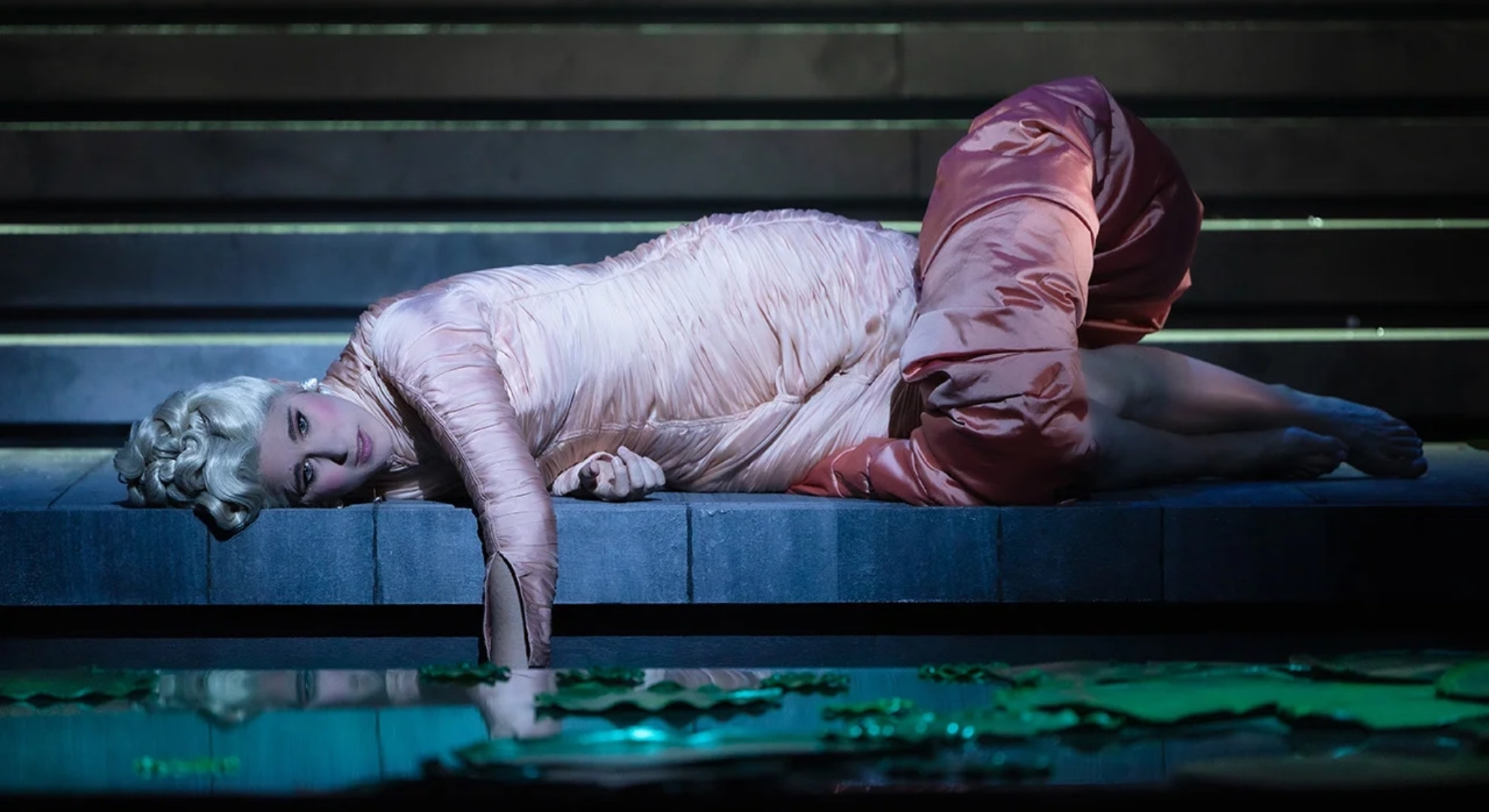
The two figures who surround the love story carry most of its menace. Rusalka’s father, the Vodník, the water spirit, tells her that humans are evil and full of sin and, only when she insists, tells her that Ježibaba alone can help. Ježibaba is the one who writes the terms. A production that keeps both figures at full strength lets the opera be read as the cautionary tale it also is, with the ‘Song to the Moon’ as the last unguarded moment before the contract is signed.
Malmö Opera’s account of the work’s origins is that Kvapil found the inspiration for the story on a trip to Bornholm, and that the text reached Dvořák through the director of the National Theatre in Prague, after which Dvořák set it to music in 1900. The company’s description also places the story beside Hans Christian Andersen’s ‘The Little Mermaid,’ with inspiration drawn from Slavic folklore as well. The opera was first staged at the National Theatre in Prague in 1901.
The Swamp and the Palace
The company’s description of the new staging gives the opera three territories. Rusalka lives in a remote environment inspired by brackish swamplands. In the Prince’s palace, nature is highly controlled, and the company calls his a hedonistic world. Between the natural and the urbane lies Ježibaba’s realm, which the company describes as a realm of purgatory.
That placement gives the witch a territory of her own and not merely a hut at the edge of the lake. No one outside the production has seen the staging, and the account here rests on the company’s own description. A statement from the director about the staging had not been confirmed at the time of publication.
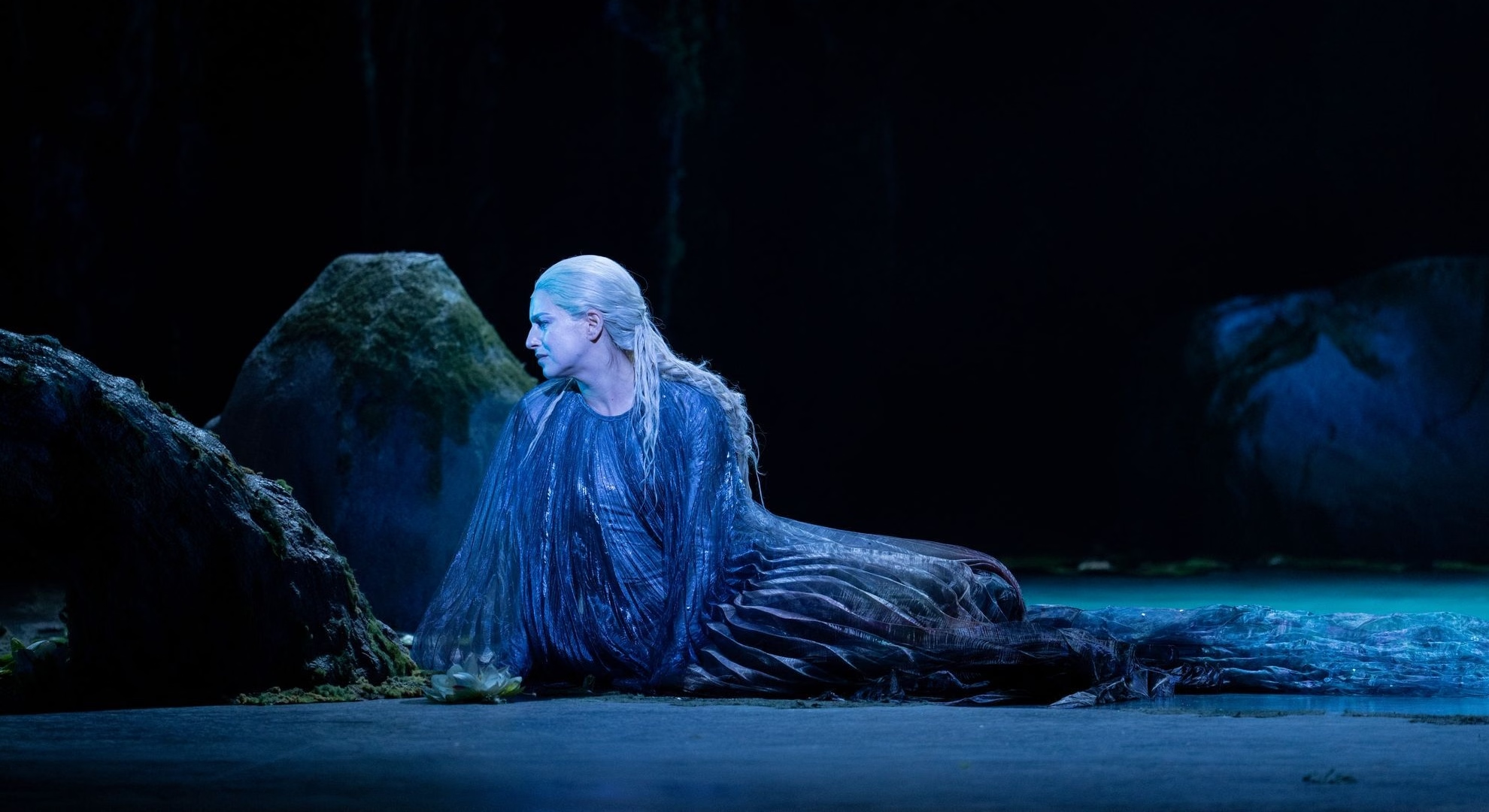
The Royal Swedish Opera presented a new ‘Rusalka’ in autumn 2025, a co-production with Irish National Opera and Nouvel Opéra Fribourg, directed by Netia Jones, who placed the opera in a present preoccupied with appearance and set Ježibaba in a plastic surgery clinic. Malmö’s description points in another direction. A swamp, a controlled palace, and a witch’s realm of purgatory keep the story among places and thresholds, so the bargain is struck between worlds that cannot easily be joined. Which of these readings holds up will be decided on the stage, and the opening night is the first point at which it can be.
The Creative Team and Cast
Phelan is an Irish director from Kilkenny who has worked at opera houses across Europe, and this is a return to Malmö Opera. The company describes her as known to its audience for her stagings of ‘La bohème,’ ‘Jenůfa,’ ‘Les contes d’Hoffmann’ (‘The Tales of Hoffmann’), and ‘Fiddler on the Roof.’ Her Malmö record already includes one Czech-language opera, Janáček’s ‘Jenůfa.’ Madeleine Boyd designs both the sets and the costumes and makeup, and Matthew Haskins designs the lighting.
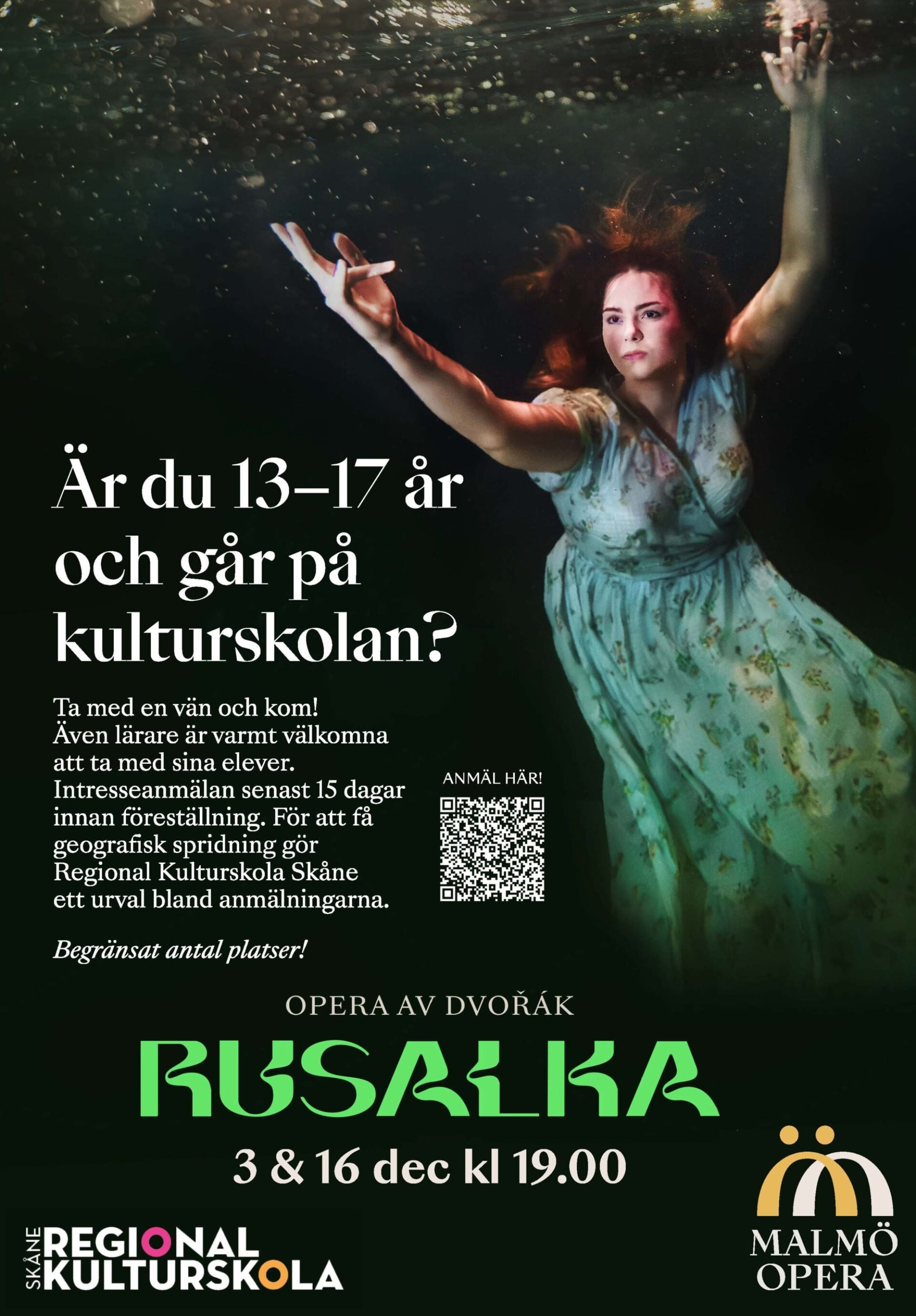
Sterby and Joachim Bäckström, who sings the Prince, are described by the company as two of Sweden’s foremost opera singers. The Vodník is Alexander Roslavets and Ježibaba is Katarina Karnéus. Oksana Kramareva sings the Foreign Princess, Rickard Söderberg the Gamekeeper, and Sidsel Aja Eriksen the Kitchen Boy. The three Wood Nymphs are Sara Swietlicki, Kine Sandtrø, and Mathilda Bryngelsson, and the Malmö Opera Chorus and Malmö Opera Orchestra complete the forces. The company lists no alternate casts on its production page.
Dates and Tickets
The production plays at Malmö Opera in Malmö, Sweden, on the Storan stage. The listed performances begin on November 21, 2026, at 6:00 p.m., and continue on November 25 at 7:00 p.m., November 28 at 6:00 p.m., December 3 at 7:00 p.m., and December 6 at 4:00 p.m., with further dates through January 10, 2027.
A livestream performance is also listed for December 6 at 4:00 p.m., and the company’s livestreaming guidance says tickets must be bought no later than 12:00 on the day of the performance and that the broadcast starts one hour before the performance does. An audio-described performance is listed for the same date, with booking required.
The opera is sung in Czech with Swedish and English surtitles, the running time is given as approximately 2 hours and 50 minutes including an interval, and the company recommends the production for ages 11 and up. The company lists a single ticket price range that reaches 985 Swedish kronor (approximately 321,000 Colombian pesos, at an exchange rate near 326 pesos to the krona at the time of drafting) and does not publish separate pricing tiers.
What the Water Keeps
In the final act the Prince returns to the lake and asks for Rusalka’s kiss, knowing it will kill him. He dies, and Rusalka asks for mercy on his soul before she disappears into the water. What remains from the work is the exchange itself: a voice given up for a soul, a witch who names the terms in advance, and a father who warned of the cost before it was paid.
Each new staging answers the question of who in that exchange has the power, and Malmö has chosen to answer it with a swamp, a palace, and a witch’s middle ground.
Which production of ‘Rusalka,’ anywhere, made the Vodník or Ježibaba the figure you remember afterward, and what did the staging do to earn that?
Leave a Reply