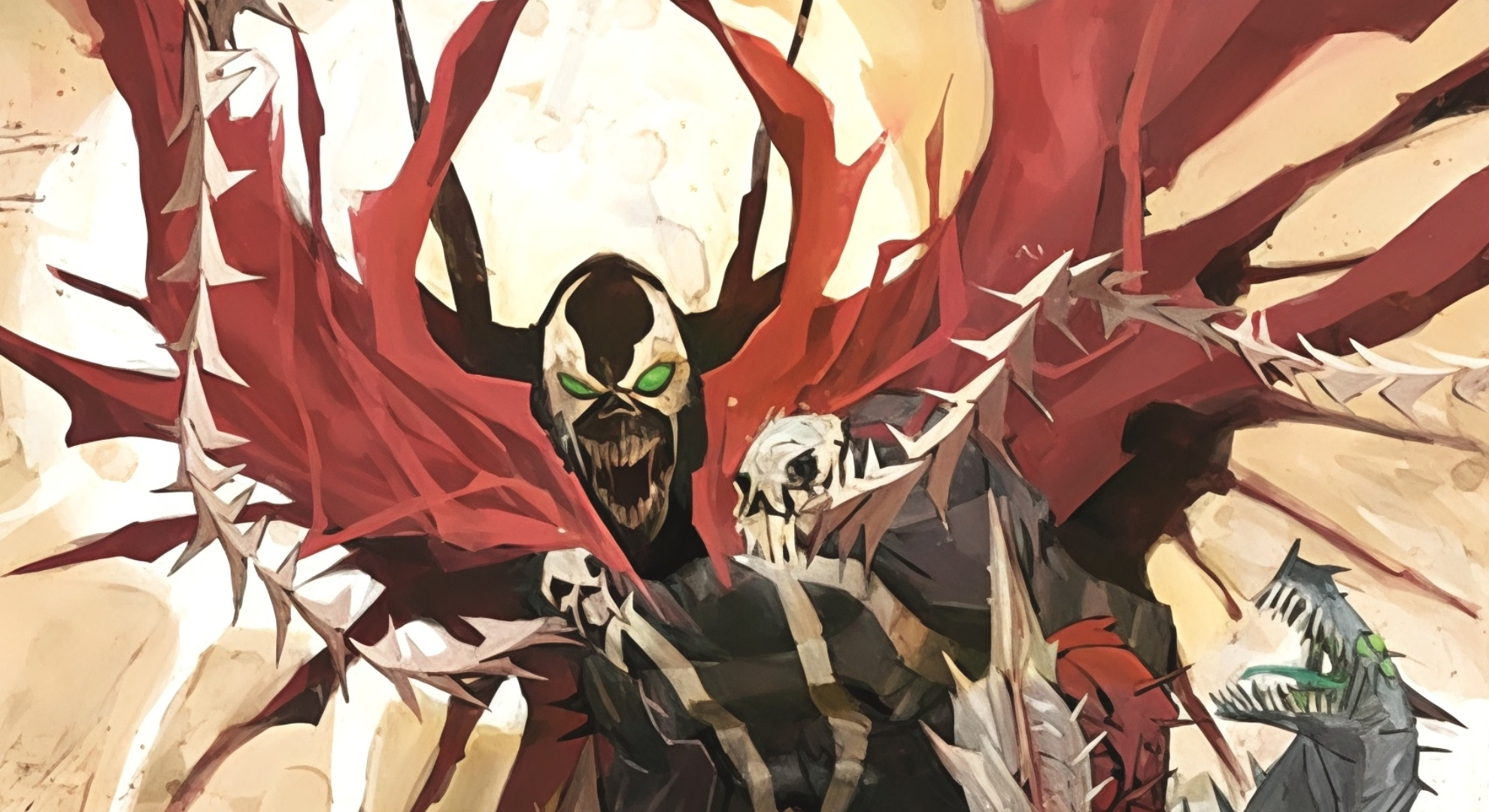


A pawn is defined by the hand that moves it. The name Spawn carries that definition from the first issue: a Hellspawn is, in Todd McFarlane’s own gloss, Hell’s pawn, a rank inside an army and not a title of honor.1 Image Comics was itself a defection when seven of the most successful artists in American comics left Marvel in 1992 to found a company of their own, and Spawn, the flagship McFarlane launched that year, was a book about a soldier who refuses the chain of command almost at once. ‘King Spawn’ #61 asks what remains of that refusal when the army has stopped waiting for an answer.
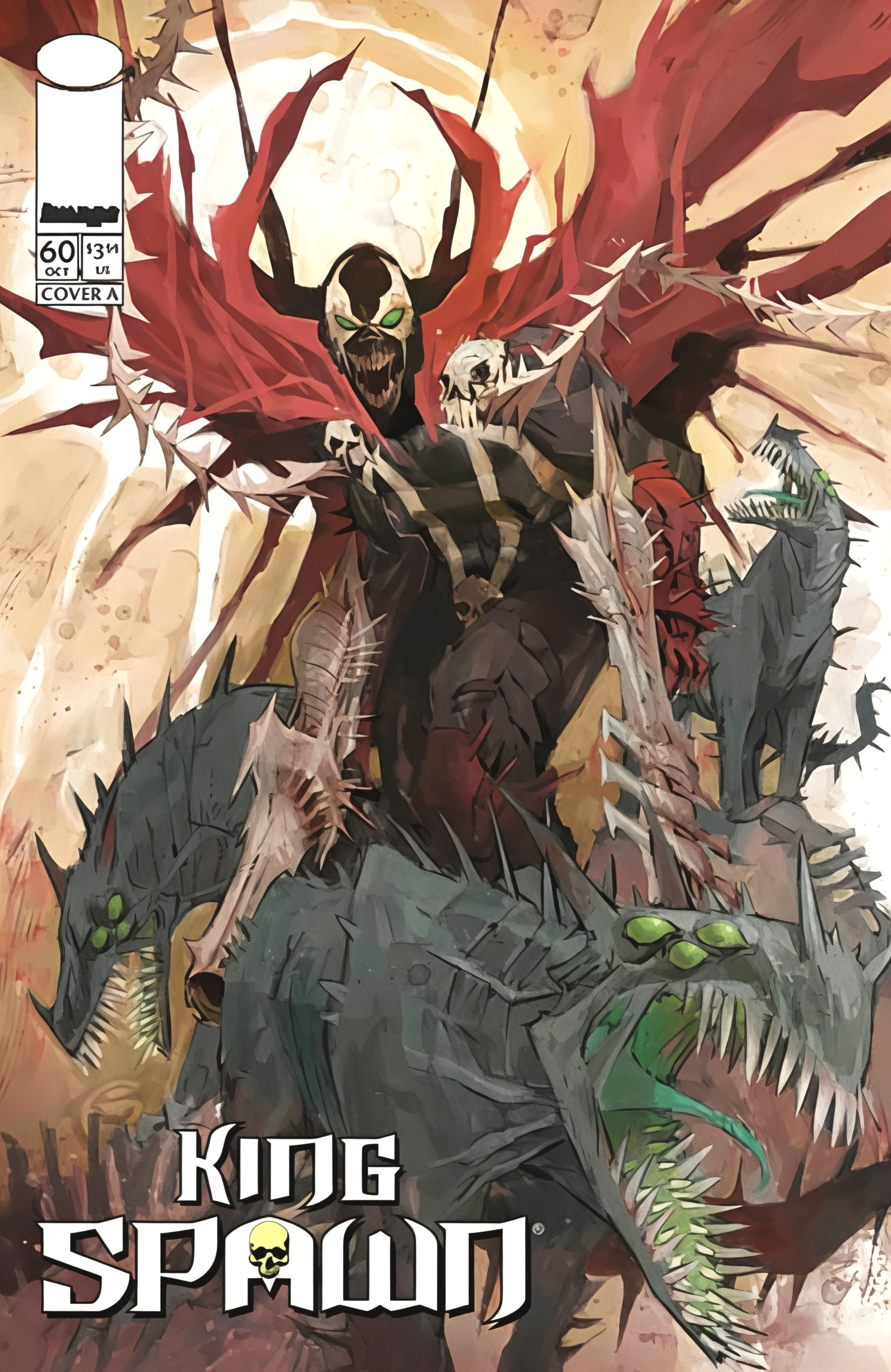
Image Comics releases the issue on November 18th, 2026, at $3.99 USD, approximately COP 12,880, across 24 pages. Matthew Rosenberg, known for ‘What’s the Furthest Place From Here?’ and ‘4 Kids Walk Into a Bank,’ writes it, Thomas Nachlik draws it, and Eric Canete supplies both covers, the second a virgin variant that presents the same image without logo or trade dress. Colorist and letterer credits could not be confirmed at the time of publication.
Hell’s Chain of Command
‘Spawn’ #1 carries a cover date of May 1992 and a premise that reads like a personnel file. Al Simmons, a government assassin, is killed after his own side betrays him and wakes in Hell, where a demon lord named Malebolgia offers him another life on Earth in return for service.
The service has a title, Hellspawn, and a function: Hellspawn are soldiers in Hell’s army, and the clown-faced demon Violator, introduced in ‘Spawn’ #2, exists to guide each new recruit toward the work Malebolgia needs, the cultivation of evil souls on Earth.
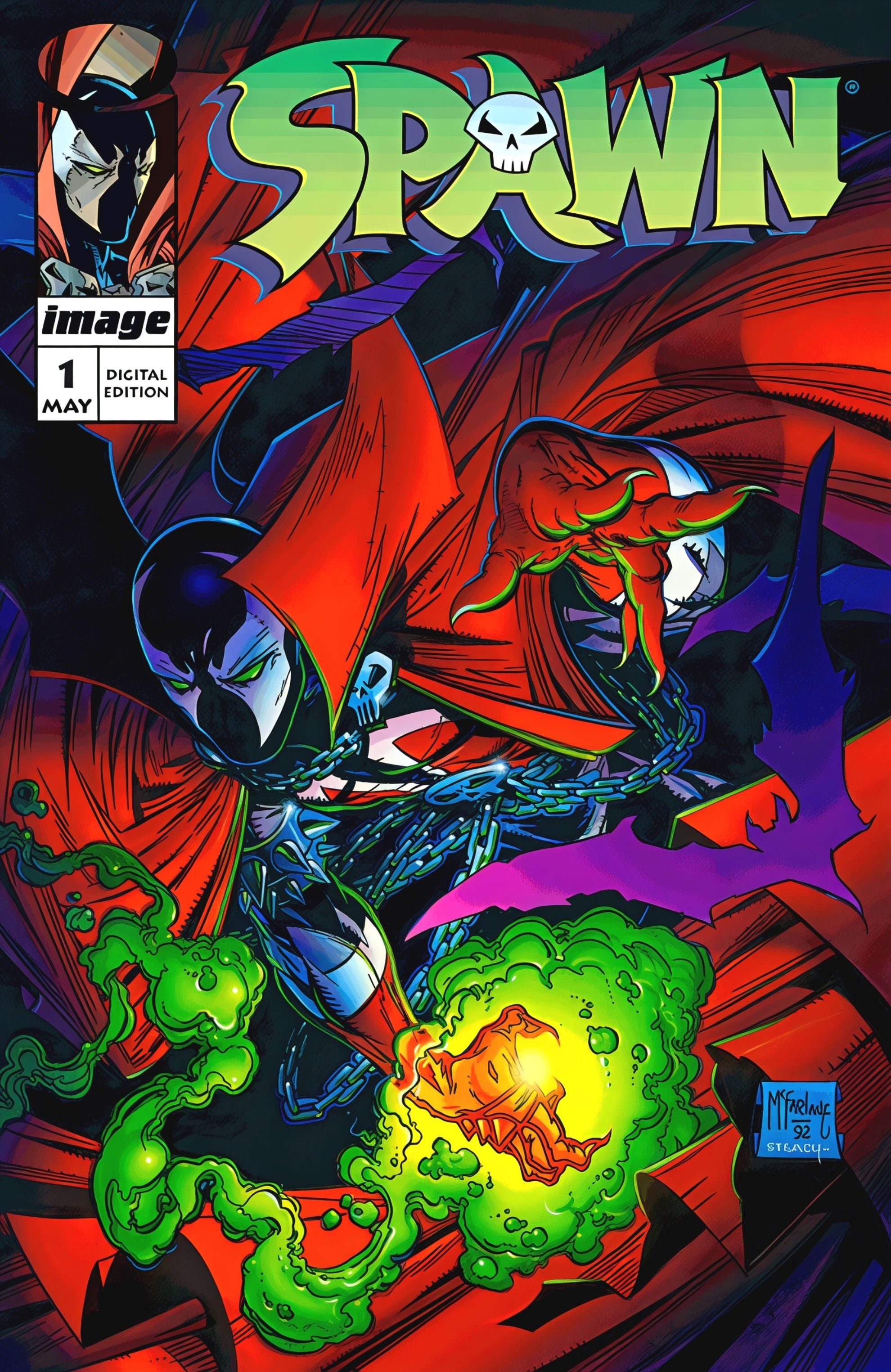
That bureaucratic cast is the series’ most distinctive treatment of the occult. Its magic is not hidden lore recovered from forbidden books but an employment structure of contracts, handlers, and ranks.
This publication’s earlier feature on Spawn’s place in the Divine Comedy tradition and the alley church at the center of its symbolism traces the literary sources of that cosmos; the structure itself was filled in by other hands.
Alan Moore, who wrote ‘Spawn’ #8, laid out the realms of Hell, the demons who live in them, and the approaching war with Heaven, and Neil Gaiman, in ‘Spawn’ #9, gave Heaven its angels and a hierarchy of its own while making Spawn the hunted party in it. Hell, in other words, reached readers as an organization before it reached them as a place.
The Occult Made Public
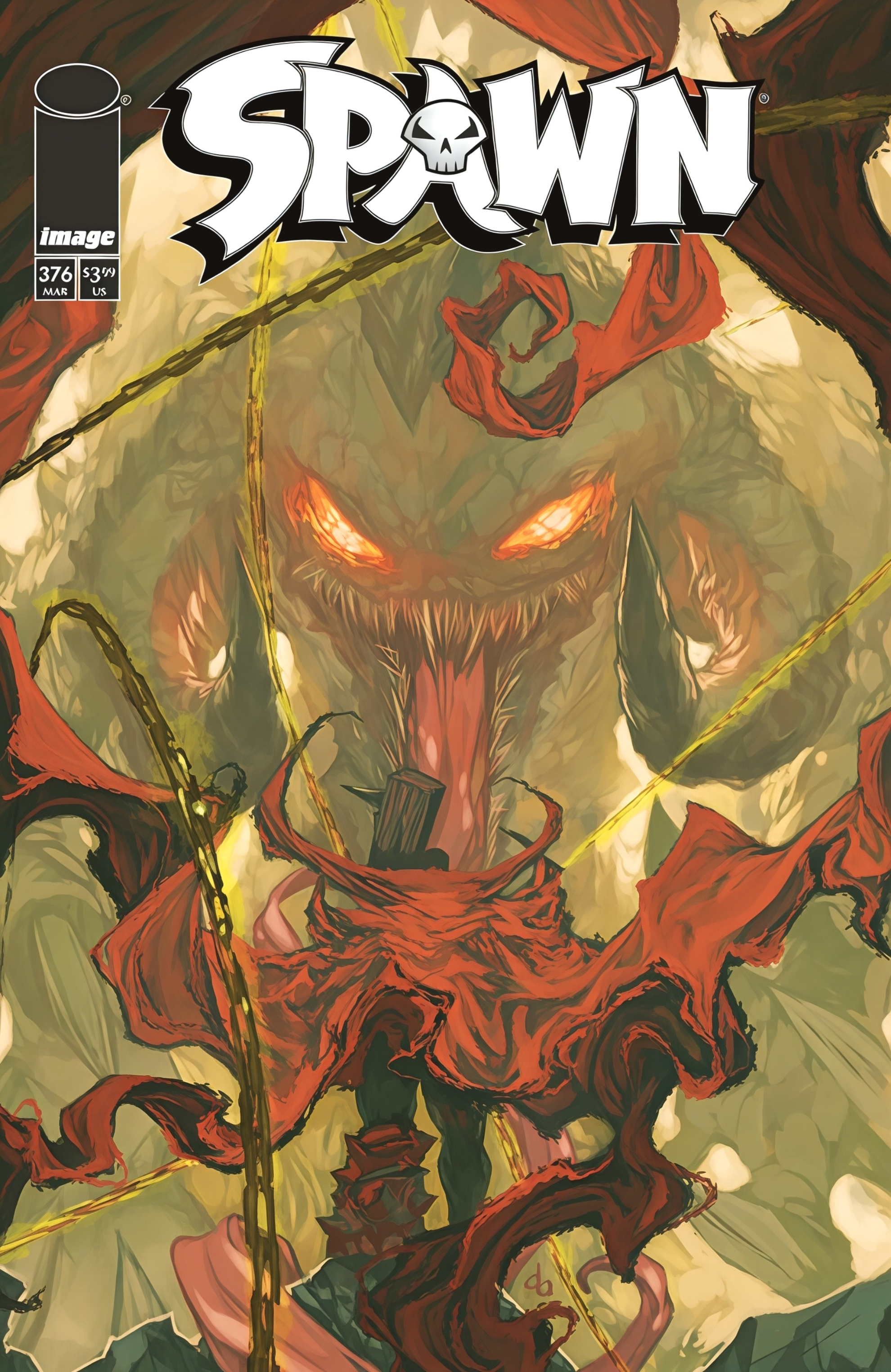
Rosenberg inherited a universe in which that organization no longer hides. In the stories that preceded his run, Heaven and Hell moved from matters of faith to established fact for the people of Earth, and the publisher’s description of ‘Spawn’ #376 adds that both realms have abandoned the planet, that the revelation destabilized institutions at every level, and that Spawn himself vanished.
McFarlane stepped back from monthly writing on the core titles, and Rosenberg took over both books: ‘King Spawn’ #55, drawn by Nachlik, was released May 27th, 2026, and ‘Spawn’ #376 followed on June 3rd, 2026.
In a podcast interview reported on March 27th, 2026, Rosenberg described Spawn as the Superman title and King Spawn as the Batman title, the horror-led book of the pair, and recalled McFarlane telling him, “the point is I hired you to be you.” The assignment, as he tells it, was to write the character as though he had created it himself.
The 400 enter through the gap Spawn left. The publisher describes them as a cabal of angels, demons, vampires, and alien entities who regard Spawn’s existence as a threat to their survival.
A cabal is the occult form that remains once the supernatural is public: the cosmos can no longer be a secret, so the secret becomes who holds a seat at the table. The 400 are named in the description of ‘Spawn’ #376 as the force Simmons’s return provokes, and ‘King Spawn’ #60, released October 21st, 2026, delivers the return itself, with a description that asks if the man who comes back is still the same man.
Issue #61 is where the cabal replies. The gothic habit of treating Hell as a secret behind an ordinary city, which this publication’s earlier feature on the macabre and supernatural elements of Spawn follows through the series, loses its premise once the secret is out.
A Pawn Outranked
The series title promised the opposite of a pawn. Image launched ‘King Spawn’ on August 25th, 2021, and the first collected volume is described around a prophecy of a King Spawn and a throne in Hell. Issue #61 withdraws that promise. In the publisher’s description, evil established a foothold in New York City while Spawn was underground; he returns intending to take the city back, and the 400 show him that he is no longer the Alpha.
Alpha is a pack word, and it measures rank by who yields to whom. To lose it is to be told where one stands in an order, which is a different injury from losing a fight. The description frames the confrontation as a lesson delivered to Spawn rather than a siege, a phrasing closer to punishment than to gothic dread, and the issue will succeed to the degree that the 400 read as management rather than menace.
Hellspawn is an office, and Simmons has surrendered the costume to a successor before, a turn covered in this publication’s earlier feature on McFarlane and the series. One critical reading of the premise treats the series as an allegory of creators placed between two larger powers, with God and Malebolgia standing in for rival publishers and humans standing where creators stand.
Rosenberg’s position inherits that figure in a new key: a writer handed a creator’s character and told to write it as his own, inside a universe McFarlane continues to oversee.
The Monthly Pivot
Across three issues, the run is paced as a sequence of reversals. ‘King Spawn’ #60 returns Spawn, ‘King Spawn’ #61 demotes him, and the following issue turns to Wanda Blake, whose behavior has changed in ways the publisher’s description states are horribly wrong.
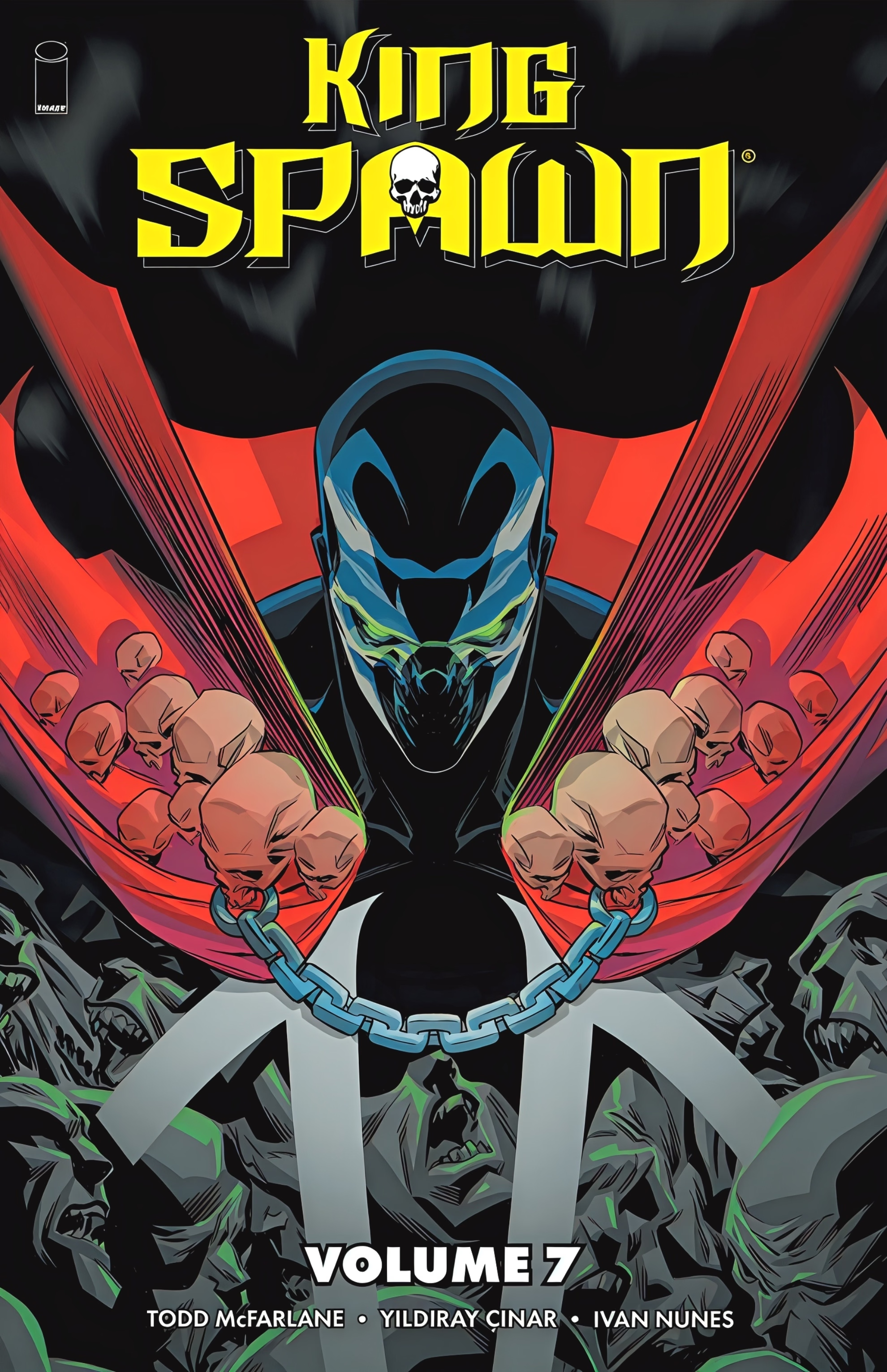
Monthly publication places four weeks between the return and the demotion, long enough for a reader to believe in the comeback before the 400 deny it. Image collects King Spawn in numbered volumes, the most recent listed being Vol. 7, released March 4th, 2026; in a trade paperback that interval closes to a page turn, and the reversal reads as a single beat in a longer argument rather than a month of waiting. The serialized form is the better home for a demotion, because humiliation needs delay.
Interior pages had not been released at the time of publication, so the evidence of how the reversal is drawn is limited to the team’s record on the title.
Nachlik has drawn King Spawn since 2022 and shares credit on the King Spawn Origins hardcover, released October 1st, 2025, which collects the first 12 issues. He drew the character’s sovereignty under the previous writer and now draws its removal under Rosenberg, which keeps the figure on the page continuous while the status around him is taken apart.
Rank Without a Throne
The most exact statement of what ‘King Spawn’ #61 does is that it returns the character to his first grammar. Spawn began as a pawn who refused the hand that moved him, and 34 years later the series that carries his crown opens its 61st issue by showing him that refusal can cost him the board.
The 400 do not threaten Spawn with Hell, which he has already defied; they threaten him with irrelevance, the one punishment a pawn cannot answer with force. The issue gives the series a question its title had postponed: what rank is worth in a world where the supernatural is public and the seats belong to cabals.
With the title promising a king and the issue delivering a subordinate, which Spawn does the series now ask readers to believe: the pawn of 1992 or the sovereign of 2021?
References
- Jake Zawlacki, ‘Searching for Legitimacy: Spawn, McFarlane, and the Homage Cover,’ ImageTexT 13, no. 3 (2023). ↩︎


Leave a Reply