

The asylum has always been a single place in horror: one door, one corridor, one keeper with a ring of keys. Erving Goffman gave institutions of that kind their working definition in 1961, describing a total institution as a shared place of residence and work in which many people in like circumstances, cut off from the wider society for a long period, lead an enclosed and formally administered life.1
‘Absolute Batman: Beyond Ark M’ #1, a 32-page one-shot from DC Comics due in December 2026, multiplies that single place into a system. It is priced at $4.99 USD, approximately COP 16,100.
Scott Snyder and Frank Tieri write the issue, and Francesco Francavilla draws it. Colorist, letterer, and editor credits could not be confirmed at the time of publication. The book is a self-contained one-shot rather than a serialized chapter, and it follows ‘Absolute Batman: Ark M Special’ #1, released January 7th, 2026, which Snyder and Tieri wrote with artist Joshua Hixson and colorist Roman Stevens.
A Gotham Without Fortune
‘Absolute Batman’ began publication on October 9th, 2024, as the first title of the Absolute Universe line, which DC Comics announced at San Diego Comic-Con in July 2024 as part of its DC All In initiative. Snyder oversees the line, and Nick Dragotta is the series artist.
Bruce Wayne is a 24-year-old blue-collar civil engineer raised in Crime Alley without family money, who trains locally and builds his own equipment. Alfred Pennyworth is an MI6 agent who narrates the series, and several of Gotham’s rogues are Bruce’s childhood friends.
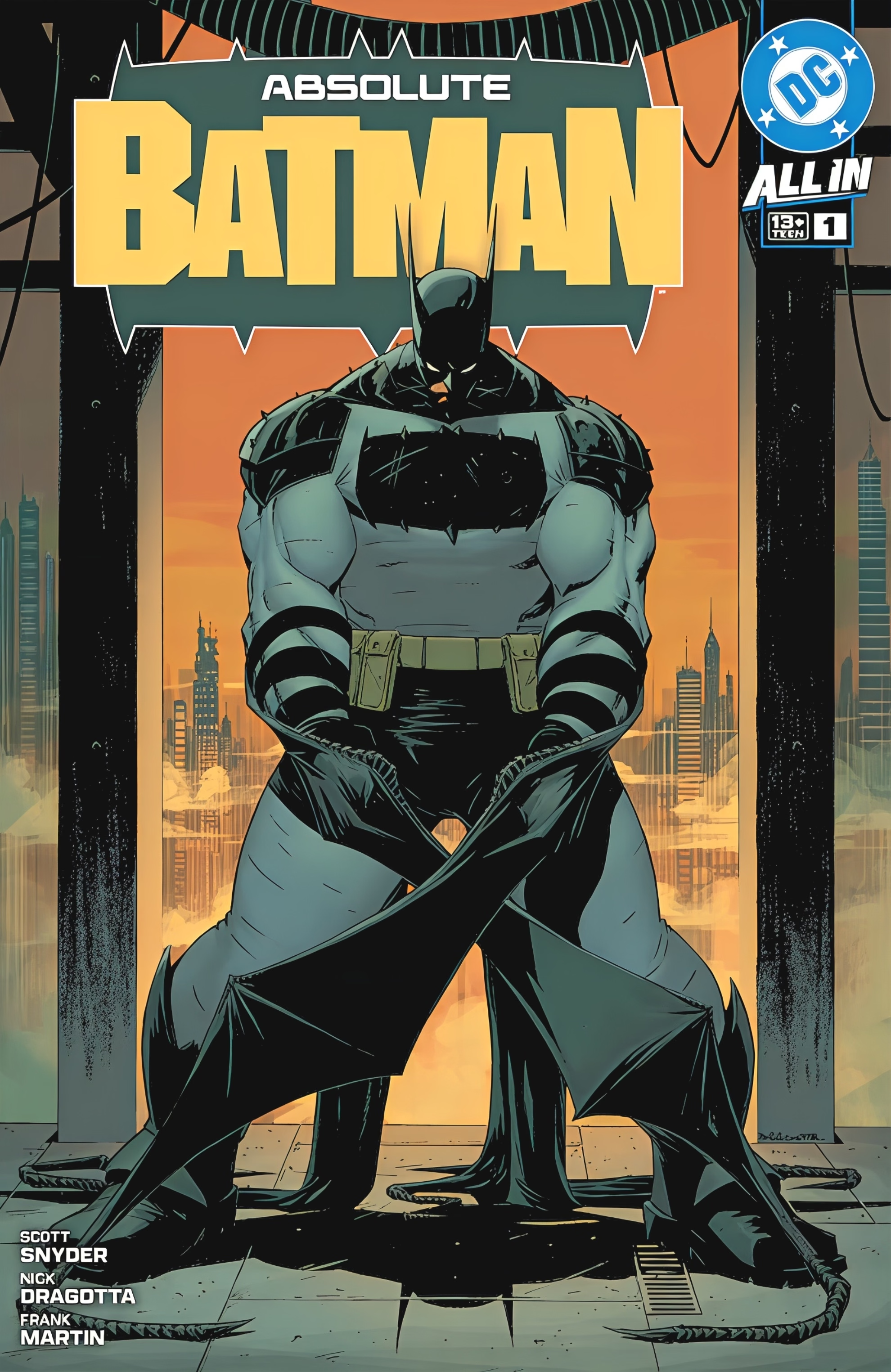
The inversion that matters for the Arks is where the fortune sits. In this universe the Joker is Jack Grimm V, the heir to a generational fortune and a global web of influence, conceived as a mirror of Bruce. A Batman with no money faces a Joker with infrastructure, which is why the Joker’s signature act here is ownership rather than chaos.
From One Ark to Many
DC’s solicitation for the issue states that it explores the Joker’s Arks and the horrors within them, together with the debut and disturbing origin of Absolute Professor Pyg. Ark M is already known to readers of ‘Absolute Batman’ and its special; the new issue, announced at San Diego Comic-Con on July 25th, 2026, follows the Joker as he surveys the empire of Arks he built around the world.
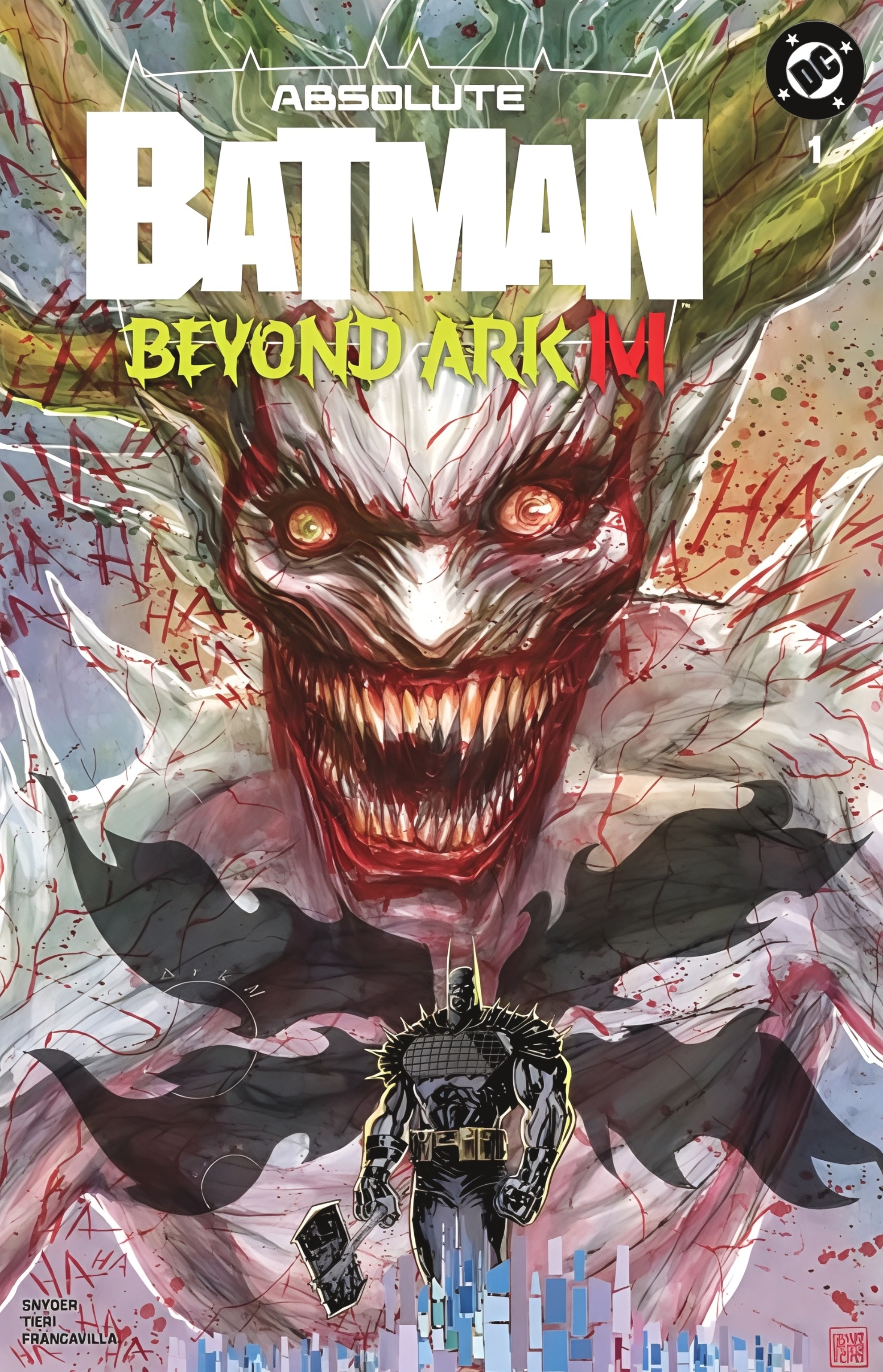
The lettering is the argument. An asylum with a proper name is a place; Arks lettered from A to M are an organization with a filing system, and Ark M, named for the thirteenth letter, stops being a singular horror and becomes one entry in a ledger.
Michel Foucault located the origin of modern confinement in an administrative act, the founding of the Hôpital Général in Paris in 1656, which he described as a semijudicial body that decided and executed outside the courts and was not a medical establishment.2 The Arks, as announced, belong to that lineage: a network of confinement answerable to an owner rather than to physicians or judges.
The Staff Side of the Door
Goffman’s analysis rests on a split between the world of the inmates and the world of the staff, and horror has traditionally lingered on the inmate’s side of the door.
A story organized around Professor Pyg moves the viewpoint across that threshold. An origin story for Pyg, as the solicitation promises, would make him a clerk with a scalpel: the character the institution needs in order to function, and the one who must justify that function to himself.
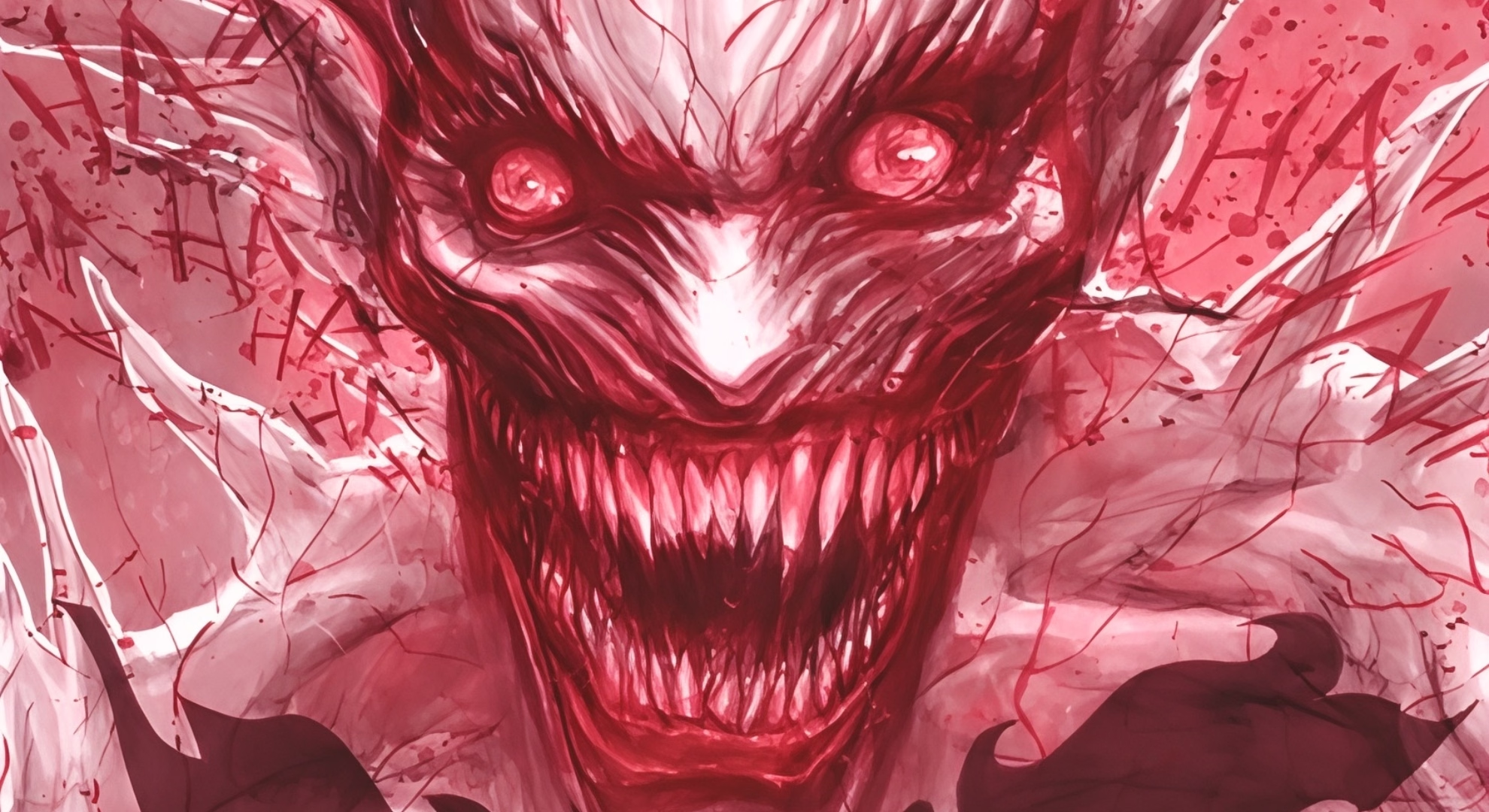
The madness in this arrangement belongs to the owner. Speaking at a convention panel reported on March 27th, 2026, Snyder said the Joker “thinks it’s funny to end on Arkham and call it Ark-M,” because he killed Arkham, and that “the whole idea is that this is the last one he built.”
Snyder added that other villains are produced inside the Arks, “the way Bane was created in Ark-A from Santa Cris.” The Arks therefore do not treat madness; they manufacture it. In Goffman’s terms the split between inmate and staff has collapsed into one figure, a man who lived in the original Arkham, destroyed it, and bought what remained, and who now holds both sets of keys.
The precedent is ‘Arkham Asylum: A Serious House on Serious Earth,’ the 1989 DC graphic novel by Grant Morrison and Dave McKean, which keeps Batman inside one house for its entire length. ‘Beyond Ark M’ reverses the proposition: it leaves the house to count the houses. What the Morrison and McKean book does with interior psychology, the Snyder and Tieri one-shot attempts with infrastructure.
A Design Passed Between Hands
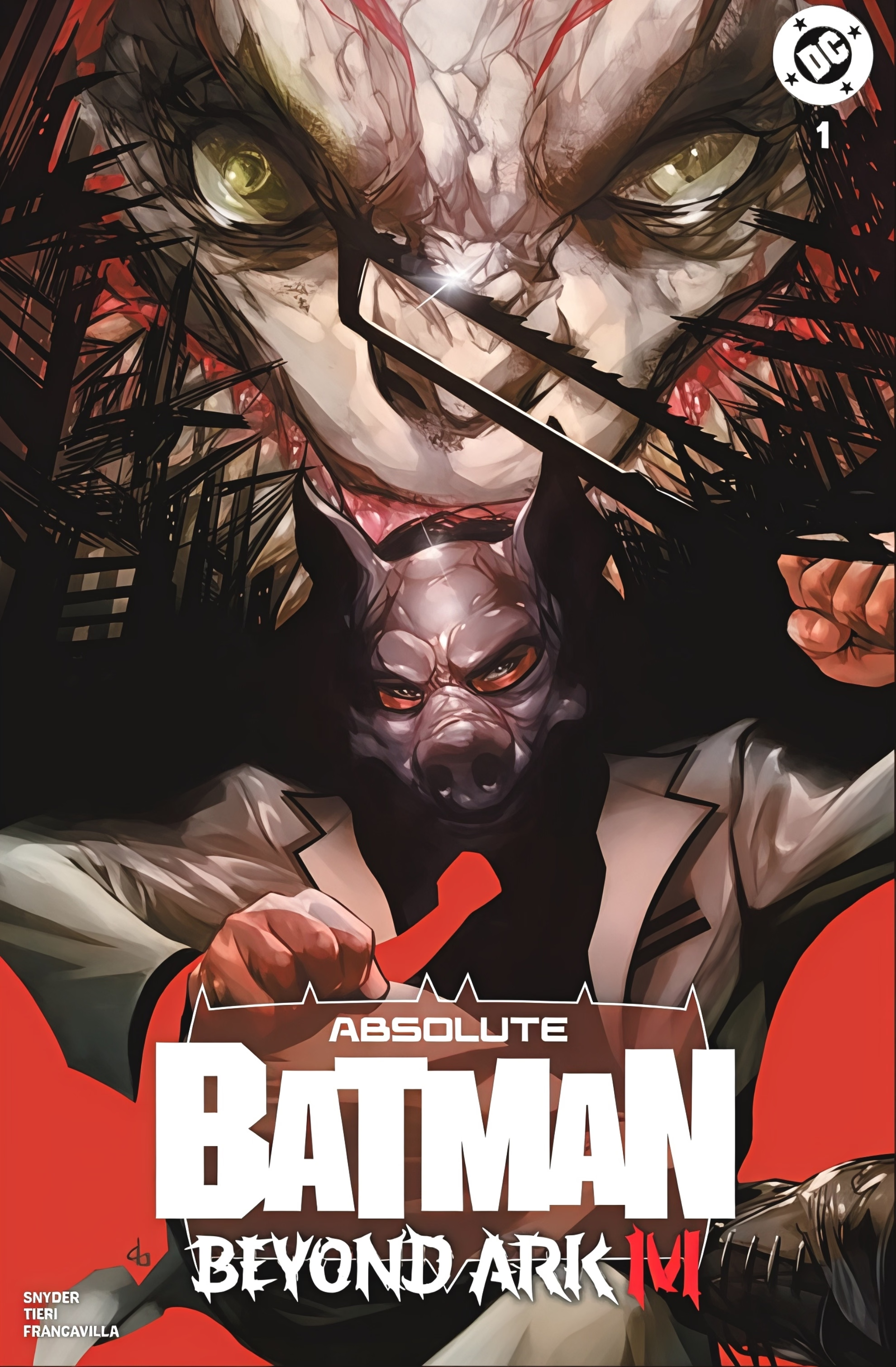
The visual identity of Absolute Professor Pyg began in concept art by Nick Dragotta, the regular artist of ‘Absolute Batman’, and passes to Francavilla, who draws the issue. No interior pages had been released at the time of publication, so the clearest formal evidence is the main cover, which spotlights Pyg. That choice addresses the administrator before it addresses the hero.
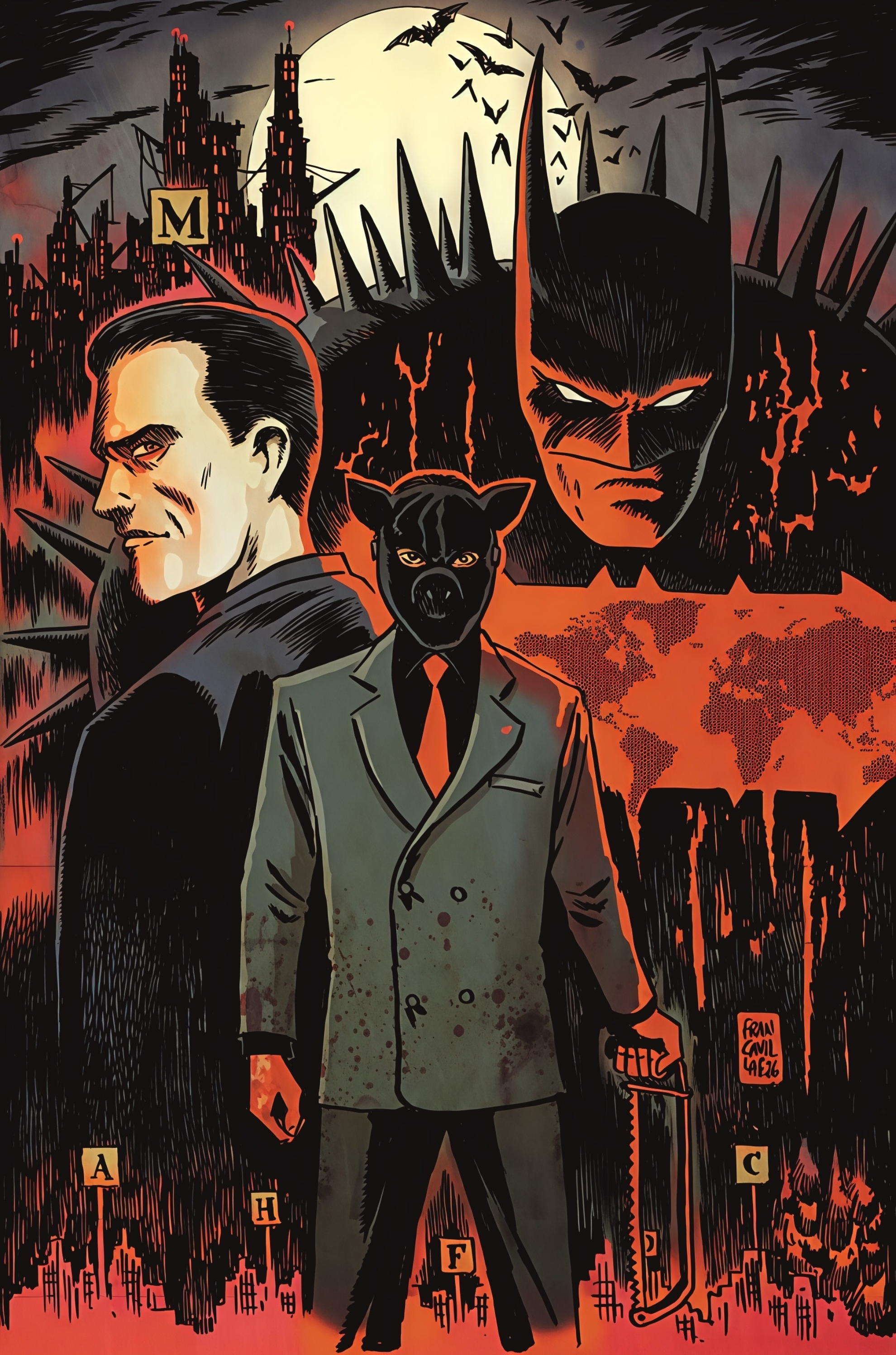
Francavilla is an Italian artist who created the pulp-noir series ‘The Black Beetle’ for Dark Horse Comics and worked with Snyder on ‘Detective Comics’ during the ‘Black Mirror’ storyline, including the Commissioner Gordon backup feature Snyder wrote.
His neo-pulp manner favors strong silhouettes and flat planes of saturated color, which he has applied himself on projects he draws. Flat planes suit a system: they allow a recurring facility to be recognized by hue and shape rather than by rendering, the way a lettered series of institutions is recognized by its letters.
The issue ships with a main cover by Francavilla and a card stock variant by Dustin Nguyen, priced at $6.99 USD, approximately COP 22,600, against $4.99 USD, approximately COP 16,100, for the regular edition (at the November 4th, 2026 TRM of $3,235.59).
One retailer lists a further cover by Dexter Soy, and the remaining variants could not be confirmed at the time of publication. The pairing is formally pointed: Francavilla draws in flat, saturated planes, while Nguyen is known for watercolor washes, so the same institution is pictured in two opposed registers, one hard-edged and administrative, the other soft and seeping.
A Tour in 32 Pages
A survey of the Joker’s Arks, an origin story, and the introduction of a whole system share 32 pages. The count alone dictates a catalog structure in which each facility receives a few pages, a compression that suits the subject: an institution reveals itself through its repetitions, and brevity is the form bureaucracy takes on the page.
As a one-shot conceived apart from any serialized arc, the issue answers to its own page budget instead of the rhythm of a monthly cliffhanger.
The Ledger and the Lock
Locks are the visual language of every asylum story; ledgers are the language of this one. The lettering of Arks A through M turns the asylum of the Absolute Universe from a haunted place into a procedure, and a procedure cannot be defeated by breaking one door.
That is the problem the one-shot sets before the Batman of the Absolute Universe: a wall can be breached, but an administration has no front door.
Which is the more frightening instrument in a Batman story, the cell that holds a prisoner or the ledger that assigns each prisoner to a cell, and why should a one-shot spend its pages on the ledger?
References
- Erving Goffman, ‘Asylums: Essays on the Social Situation of Mental Patients and Other Inmates’ (Garden City: Anchor Books, 1961), xiii. ↩︎
- Michel Foucault, ‘Madness and Civilization: A History of Insanity in the Age of Reason,’ trans. Richard Howard (New York: Pantheon Books, 1965), 38–51. ↩︎


Leave a Reply