

The damp, clinging mists of the Welsh borders and the ancient, brooding silence of the Cheshire peat bogs have always possessed a specific kind of sonic weight. Within the extreme metal scene, this atmosphere is not merely a background; it is a vital protagonist. For over three decades, Hecate Enthroned has served as the primary architect of this atmospheric response, bridging the feral energy of the second wave of black metal with the sophisticated, cinematic scale of an orchestral requiem.
The announcement of the seventh full-length studio album, ‘The Corpse Of A Titan, A Lament Long Buried,’ arriving seven years after the previous outing, is more than a comeback. It is a definitive moment of reclamation for one of the most resilient extreme entities in the United Kingdom.
The Pendulum of Extreme Metal
To observe the path of Hecate Enthroned is to witness a band that has spent thirty years navigating a stylistic pendulum. The significance of the group lies in the refusal to remain static.
In the mid-1990s, the musicians were the vanguard of British symphonic black metal, delivering the seminal ‘The Slaughter Of Innocence, A Requiem For The Mighty’ in 1997. This was an album that defined an era of high-speed, keyboard-drenched malice. However, the band famously pivoted toward a more muscular, technical blackened death metal sound during the ‘Kings Of Chaos’ era.
This was a move that alienated some purists but established the credentials of the group as genuine extreme metal musicians rather than mere theatrical stylists.1
The history of the collective can be understood through several distinct phases of sonic evolution. Between 1993 and 1995, the group operated as Daemonum, focusing on blackened death metal before transitioning into the symphonic black metal that defined the era with Blackend Records between 1996 and 1998.
During this time, the band helped establish the symphonic response of the United Kingdom to the Norwegian scene. Following this, the group entered a phase of technical blackened death metal from 1999 to 2004, which served as an aggressive rejection of symphonic trends in favor of raw power.
Since 2015, the group has achieved a modern symphonic synthesis that provides a sophisticated balance of melody, atmosphere, and aggression.
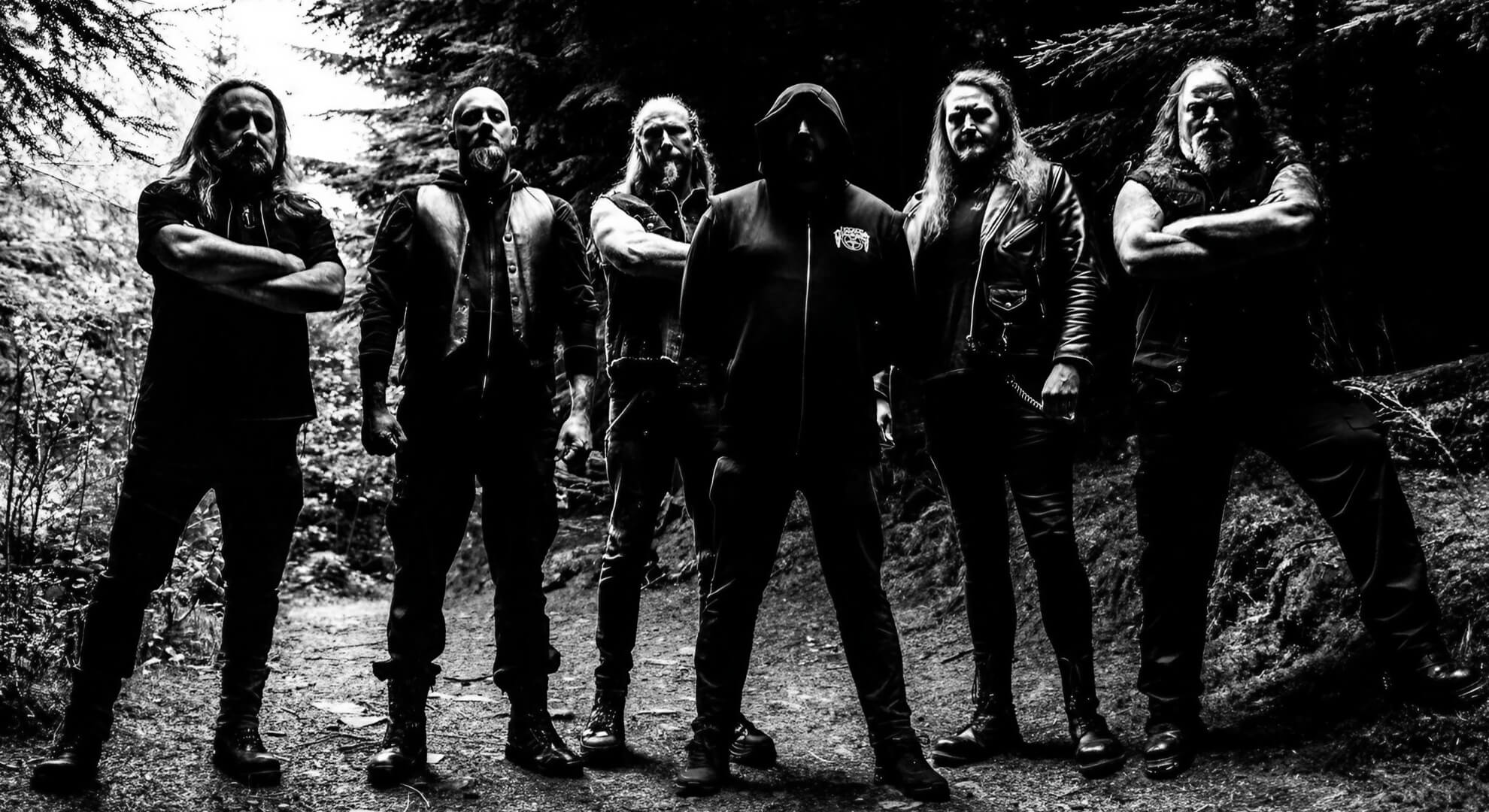
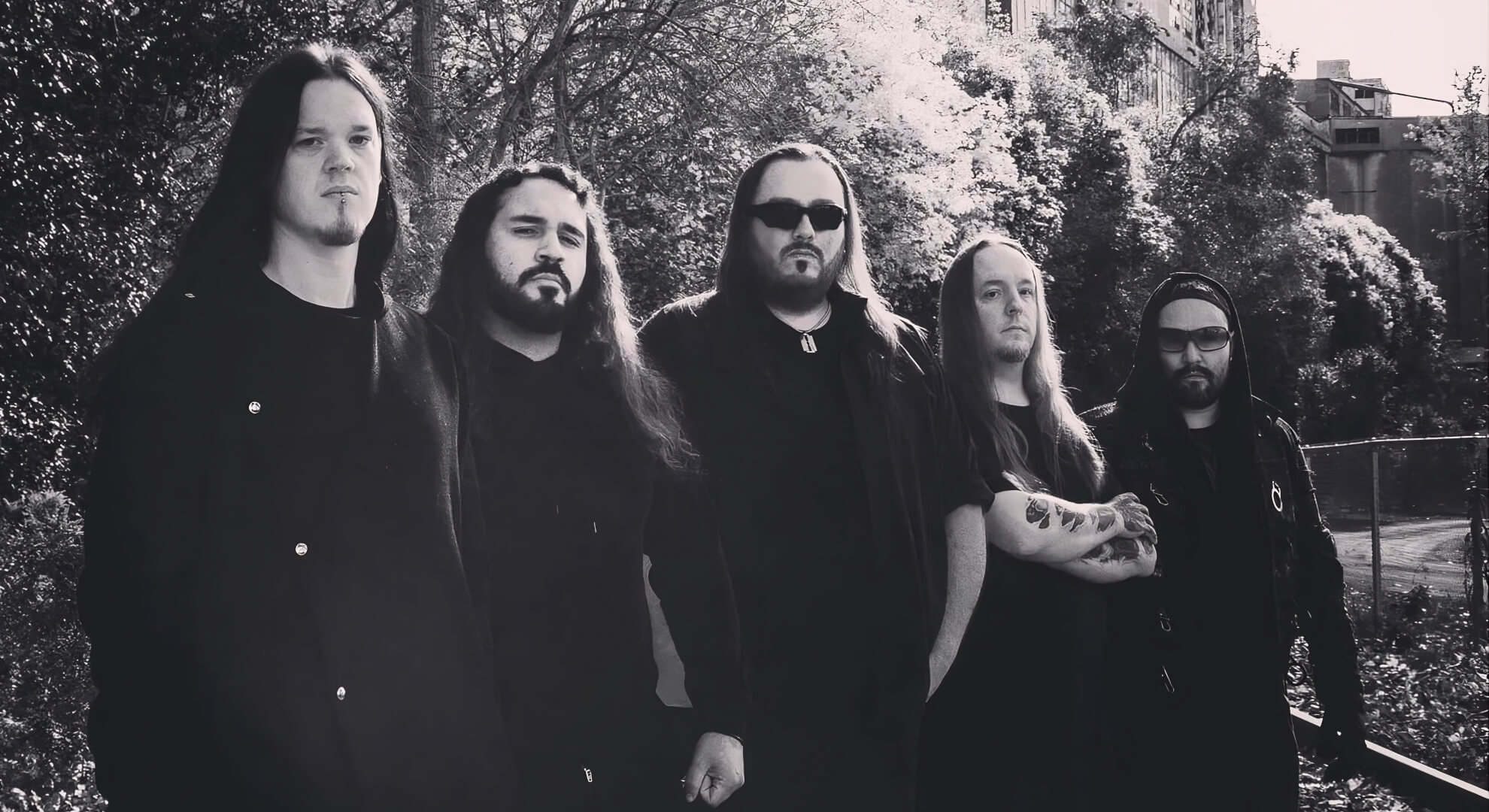
The current formation, anchored by founding guitarist Nigel Dennen and returning bassist Dylan Hughes, represents the most stable unit in the history of the band. Alongside vocalist Joe Stamps, guitarist Andy Milnes, keyboardist Pete White, and drummer Matt Holmes, this unit has favored a seven-year interval for deep refinement.
Dylan Hughes has noted that this period allowed the band to avoid the over-creative density of previous efforts, focusing instead on epic, hard-hitting songs shaped in the traditional way with a menacing veil. In a period defined by rapid-fire digital releases, this silence signifies a refusal to compromise, ensuring that ‘The Corpse Of A Titan’ is a meticulously prepared monolith.
The Folk-Horror Metamorphosis
The 2026 evolution of Hecate Enthroned places the group within a broader British lineage of folk-horror. This is a movement that finds terror in the isolation of the rural surroundings and the survival of ancient, non-Christian traditions.
While the peers of the band in the 1990s often leaned into a glossy, Victorian vampire aesthetic, Hecate Enthroned has transitioned into a gritty, earth-bound macabre that shares more artistic DNA with the psychogeographical literature of the British Weird tradition.
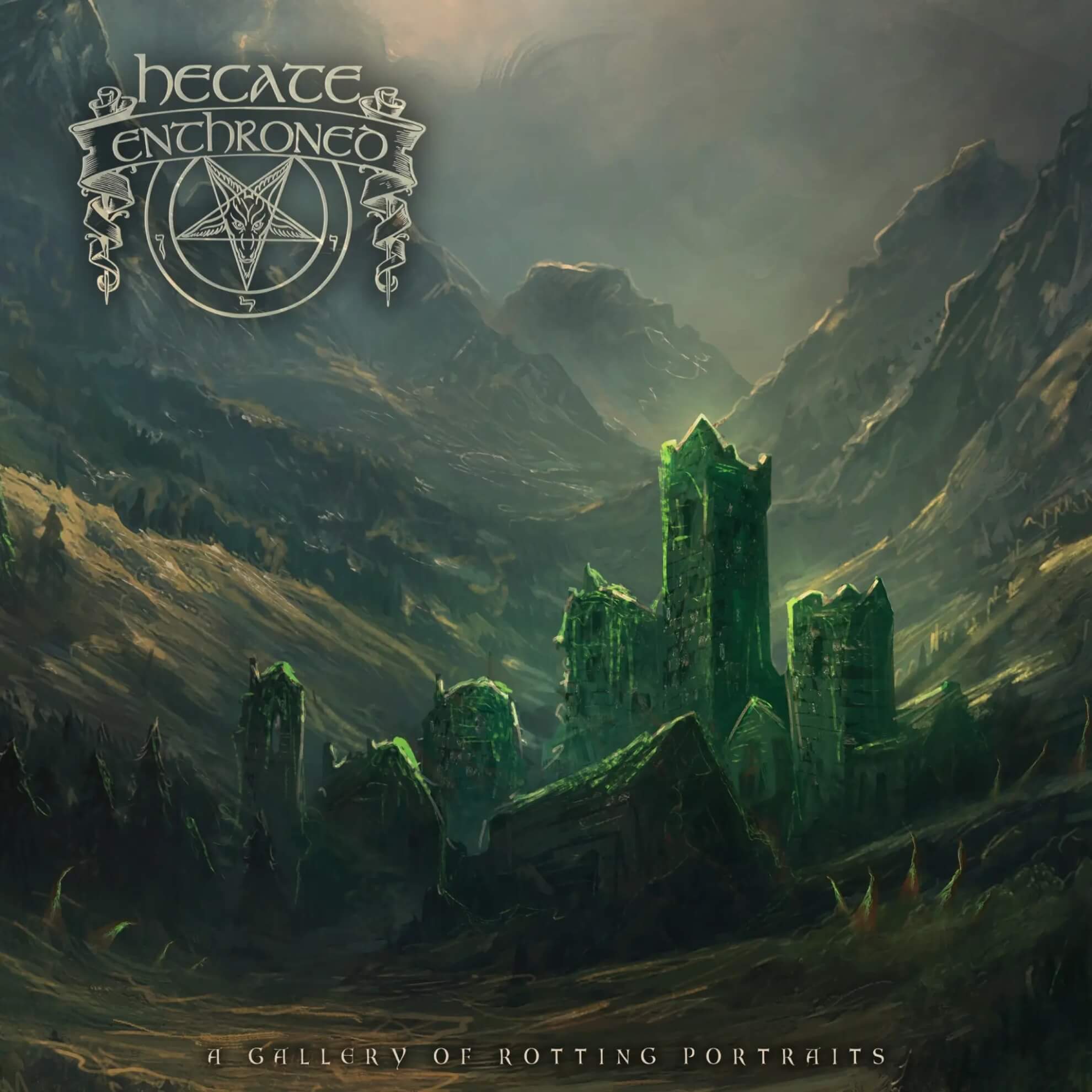
The shift from ‘Embrace Of The Godless Aeon’ in 2019 to the new material suggests a profound narrative turn. The lead single, ‘Gallery Of Rotting Portraits,’ was inspired by the Lindow Man, which is the Iron Age bog body discovered in Cheshire. The track employs the preservation of ancient corpses as a metaphor for the survival of ritualized devotion.
Dylan Hughes has explained that the song explores a sense of “obsolete devotion” and the “jarring disconnect of unearthing a ritualized past only to find it stripped of power.” This places the band in dialogue with archaeological perspectives on ritual violence, where the past is never truly buried, but is instead preserved in the acidic soil of the present.2
Acoustic Design and the Dan Abela Synthesis
The significance of the collaboration with producer Dan Abela cannot be overstated. By reuniting with the architect of the 2019 sound, the band has achieved a level of production clarity that captures the crisp punch required for the modern sound of the group.
This allows the faultless blast-beats of Matt Holmes to coexist with the intricate keyboards of Pete White, creating a cinematic depth that matches the expansive themes of the album. This modern synthesis is a departure from the philosophy of the Blackend Records era, which was characterized by youthful rage and anti-religious hostility.
While the early soundscapes relied on lo-fi, atmospheric horror layers and primarily high-pitched screams, the modern era employs high-fidelity orchestration and a versatile vocal range consisting of both screams and guttural growls.3
The narrative of the album unfolds across nine movements, totaling fifty-three minutes and fifty-three seconds. It begins with the atmospheric introduction of ‘Adar Rhiannon,’ which lasts forty-three seconds, followed by the expansive eight-minute opening of ‘Spirits Stir Within Our Ancestors Tombs.’
The journey continues through the man-made horrors of ‘The Arcane Golem’ at six minutes and fourteen seconds and the folklore-inspired ‘Steed of the Still Water’ at seven minutes and nine seconds. The changing rhythms of ‘Pwca’ lead into the nature-driven ‘Deathless in the Dryad Glade,’ eventually reaching the central narrative anchor of ‘A Gallery of Rotting Portraits.’
The final chapters, ‘The Boreal Monastery’ and ‘Into a Vale of Endless Snow,’ bring the lament to a cold conclusion.
A Titan Unearthed
As a senior voice in the culture, one must recognize that Hecate Enthroned has finally shed the labels that unfairly hindered the early career of the group. Doubling down on the foundations of evil metal while others moved toward accessible gothic sounds has allowed the musicians to earn a status as the titans of the British underground.
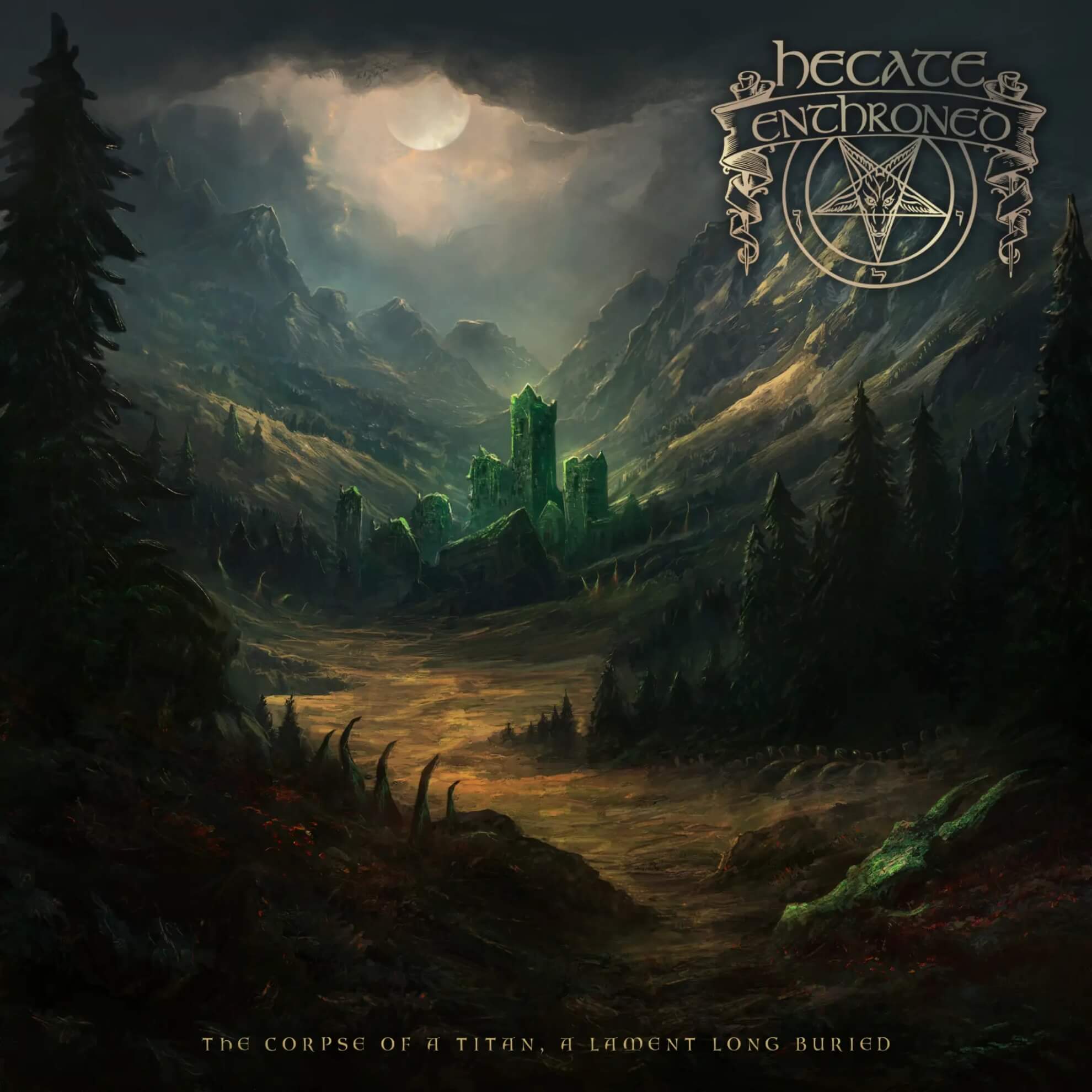
The release of ‘The Corpse Of A Titan, A Lament Long Buried’ occurs alongside other notable 2026 releases, yet Hecate Enthroned remains distinct in the ability to blend death metal aggression with black metal atmosphere.
The use of the peat bogs as a metaphor is the defining narrative of this period. Dylan Hughes characterizes the 2026 release as a confrontation with a “cold reality” where the spirits and superstitions of the past have rotted away, leaving the world bereft of ancient magic.4
Like a bog, the metal scene preserves its stories. To see Hecate Enthroned in 2026 is to witness a band that has been perfectly preserved by the acidic waters of the underground, now unearthed and found to possess a terrifying, vicious power that age has only sharpened.
The Survival of the Ancient Fire
The unearthing of ‘The Corpse Of A Titan, A Lament Long Buried’ serves as a profound admission that in the modern age, we are haunted not by ghosts, but by the physical remnants of a devotion we no longer understand.
Transitioning from the escapist tropes of youth to confront a far more unsettling reality, Hecate Enthroned has grounded the symphonic malice of the group in the literal soil of Cheshire.
The magic has fled, yet the ritual demands to be performed. This album is the sound of that persistence. The band has weathered three decades of industry shifts and stylistic trends by remaining as immovable as the physical world that birthed the musicians.
As the group carries these new hymns toward a projected return to the major European festival circuit in 2026, the members do so not as a nostalgic relic, but as an ongoing excavation of the British soul. They prove that the ancient fire still burns, even when only the ashes remain.
As Hecate Enthroned shifts its gaze from the overt hostility of the 1990s toward a more philosophical exploration of the British surroundings and the ‘Gallery Of Rotting Portraits,’ how does this unearthing of ‘The Corpse Of A Titan’ align with your own expectations for the future of symphonic black metal?
References:
- Patterson, Dayal. ‘Black Metal: Evolution of the Cult.’ Port Townsend: Feral House, 2013. ↩︎
- Stead, I. M., J. B. Bourke, and Don Brothwell. ‘Lindow Man: The Body in the Bog.’ Ithaca: Cornell University Press, 1986. ↩︎
- Kahn-Harris, Keith. ‘Extreme Metal: Music and Culture on the Edge.’ Oxford: Berg Publishers, 2007. ↩︎
- Hutton, Ronald. ‘The Pagan Religions of the Ancient British Isles: Their Nature and Legacy.’ Oxford: Blackwell Publishers, 1991. ↩︎

Leave a Reply