
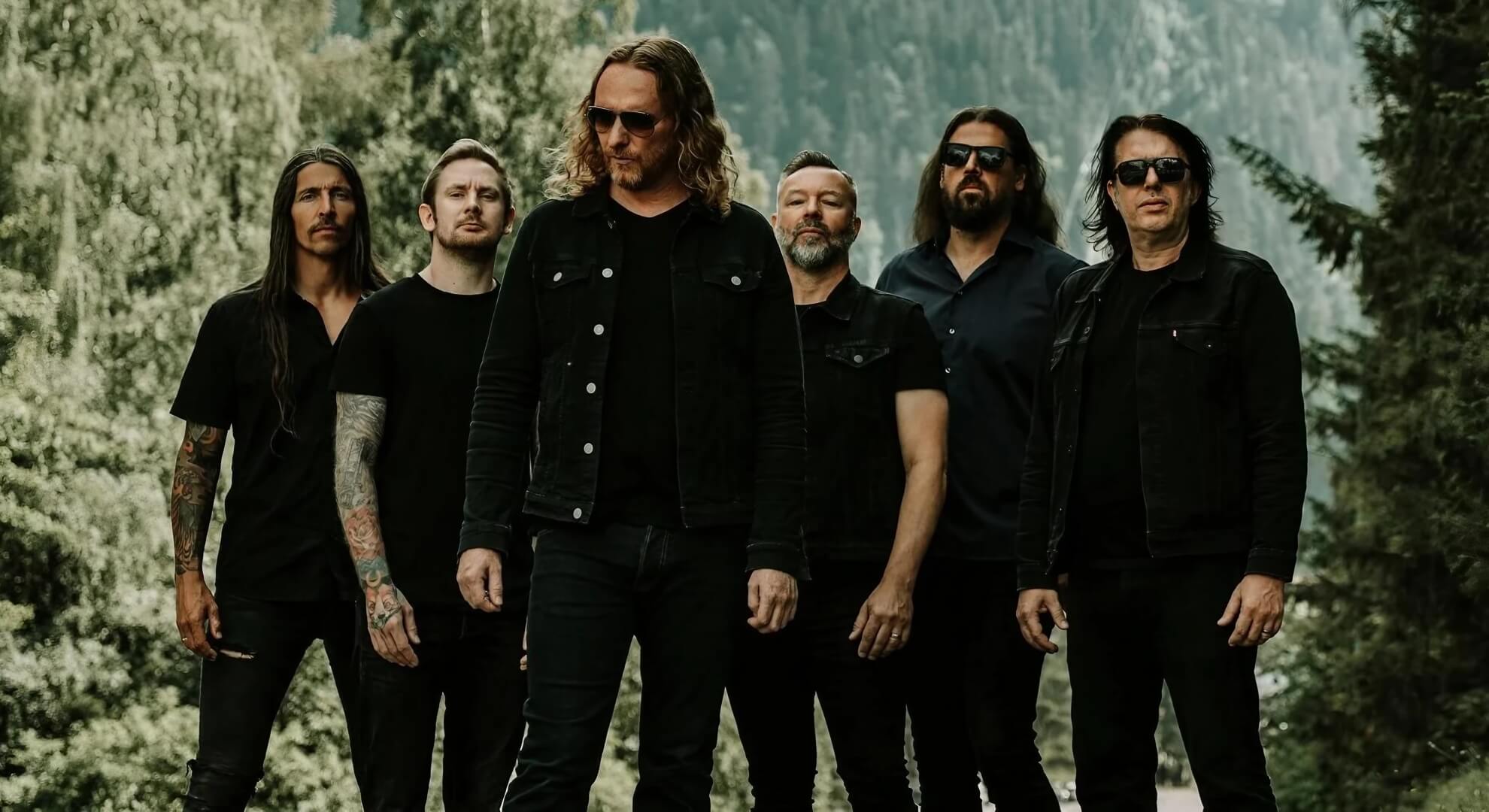


Bogotá is a city of distinct emotional frequencies, where the imposing gray expanse of the Eastern Cordillera meets a relentless urban pulse. It is a metropolis defined by a specific kind of resilience, one that finds a distant but resonant echo in the industrial melancholy of Gothenburg, Sweden.
On the evening of January 21, 2026, these two distinct geographies will collide at the Teatro Astor Plaza. Dark Tranquillity, the architects of a sound that once redefined extreme metal by marrying brutality with baroque melody, return to the Colombian capital for an engagement that transcends the standard touring cycle.
This is The Character Gallery Tour, a curated performance that acts less as a promotional vehicle for their latest work, ‘Endtime Signals’ (2024), and more as a living archive of their artistic evolution.
This concert represents a critical juncture of history and modernity. As the band marks the thirtieth anniversary of ‘The Gallery’ (1995)—the album that codified the “Gothenburg Sound”—and the twentieth anniversary of ‘Character’ (2005), their aggressive electronic reinvention, the venue itself plays a pivotal role.
The Teatro Astor Plaza, an emblem of Chapinero’s cultural landscape typically reserved for the performing arts, will provide the acoustic clarity necessary for such a complex retrospective. Beyond the setlist, this event offers a unique lens through which to examine the longevity of melodic death metal, exploring how a band transformed by loss and lineup changes navigates its own legacy, and why their exploration of existential struggle vibrates so intensely within the emotional landscape of the Andean devotee.
Teatro Astor Plaza Setting the Stage
The logistics of the event reveal a strategic shift in the presentation of extreme metal in Colombia. Scheduled for a Wednesday night, the concert creates a midweek cultural anchor, disrupting the typical weekend rhythm of the city’s nightlife.
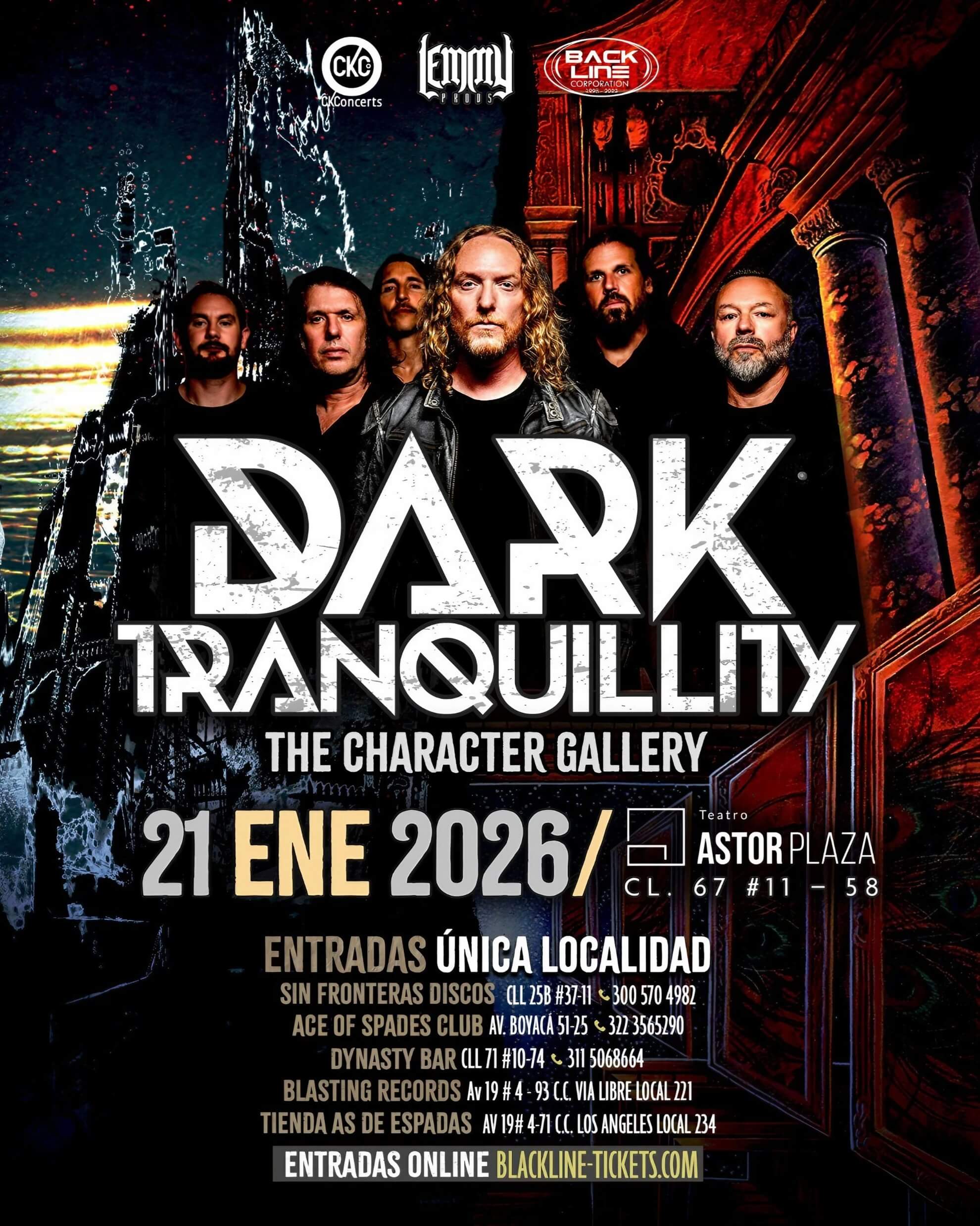
Hosted at the Teatro Astor Plaza (Calle 67 #11-58), the venue offers an intimate yet grand setting with a capacity of approximately 1,000 seats. Spearheaded by Lemmy Productions, the event is positioned within a premium economic tier, with ticket prices hovering around $190,000 COP (approximately $45 USD). This targets a demographic of established professionals who have matured alongside the band since the 1990s and 2000s.
This logistical framework suggests a gentrification of the metal experience, moving away from the “do-it-yourself” ethos of the underground scene toward a professionalized, theater-based model that prioritizes acoustic fidelity—a critical requirement for a band whose modern sound relies heavily on intricate backing tracks and atmospheric synthesis.
The Gothenburg Genesis
The historical path of the “Gothenburg Sound” is central to understanding the importance of The Character Gallery Tour. This distinct musical subgenre was not a coincidental phenomenon; rather, its emergence was directly attributable to a specific cultural, social, and economic milieu present in Sweden during the late 1980s and early 1990s.
Gothenburg, an industrial port city characterized by frequently overcast and rainy conditions—a climatic resemblance shared with Bogotá—served as the genesis point for a musical movement seeking to synthesize seemingly divergent elements.
Dialectic of Brutality and Melody
In the early 1990s, death metal was dominated by the rhythmic brutality of the Florida scene (Death, Morbid Angel, Obituary) and the buzzsaw, punk-influenced aggression of the Stockholm scene (Entombed, Dismember).
The Gothenburg musicians—specifically the triad of Dark Tranquillity, At The Gates, and In Flames—proposed a synthesis that was considered heretical at the time: infusing the aggression of death metal with the harmonic sensibilities of the New Wave of British Heavy Metal (NWOBHM) and the sorrowful melodic phrasing of Swedish folk music.
Dark Tranquillity’s contribution to this dialectic was arguably the most intellectual and poetic. While At The Gates focused on thrash intensity and In Flames leaned toward groove, Dark Tranquillity, led by the lyrics of Mikael Stanne and the artistic vision of Niklas Sundin, focused on existentialism, psychology, and quantum physics. They introduced a level of lyrical sophistication that elevated the genre from “gore” to “philosophy.”
Formation of Identity
The band’s early history is marked by a pivotal lineup swap that would define the entire genre. In 1993, after the release of their debut ‘Skydancer,’ vocalist Anders Fridén left Dark Tranquillity to join In Flames, while Mikael Stanne—who had played rhythm guitar on In Flames’ debut—took over vocals for Dark Tranquillity.
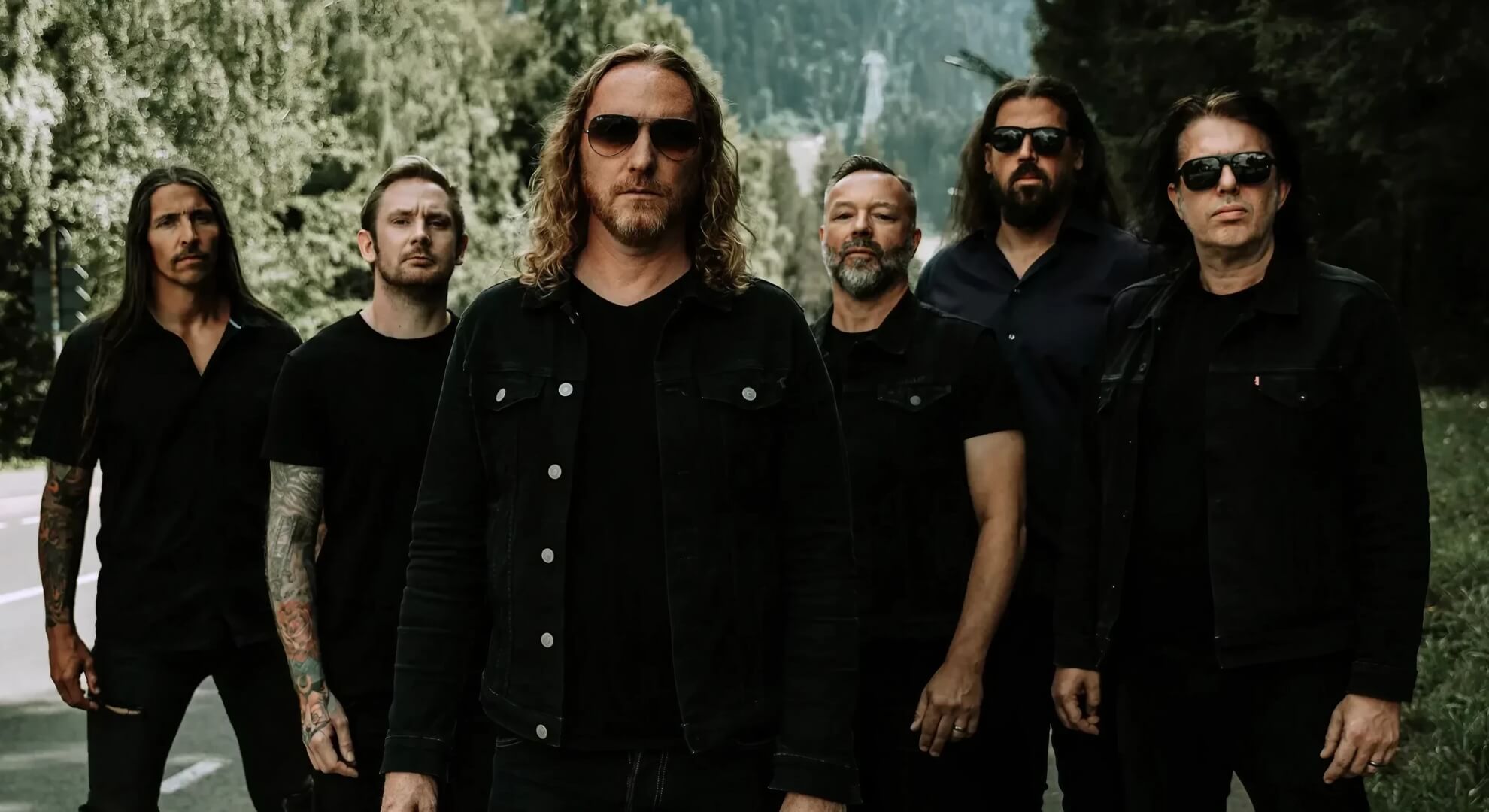
This exchange solidified the identities of both bands: Fridén pushed In Flames toward a more alternative, Americanized sound, while Stanne steered Dark Tranquillity toward a darker, more introspective and gothic path.
This divergence is critical for understanding the setlist of the 2026 tour; when Dark Tranquillity performs songs from ‘The Gallery,’ they are performing the manifesto of a band that chose artistic depth over commercial accessibility.
The Baroque Pillar: ‘The Gallery’ (1995)
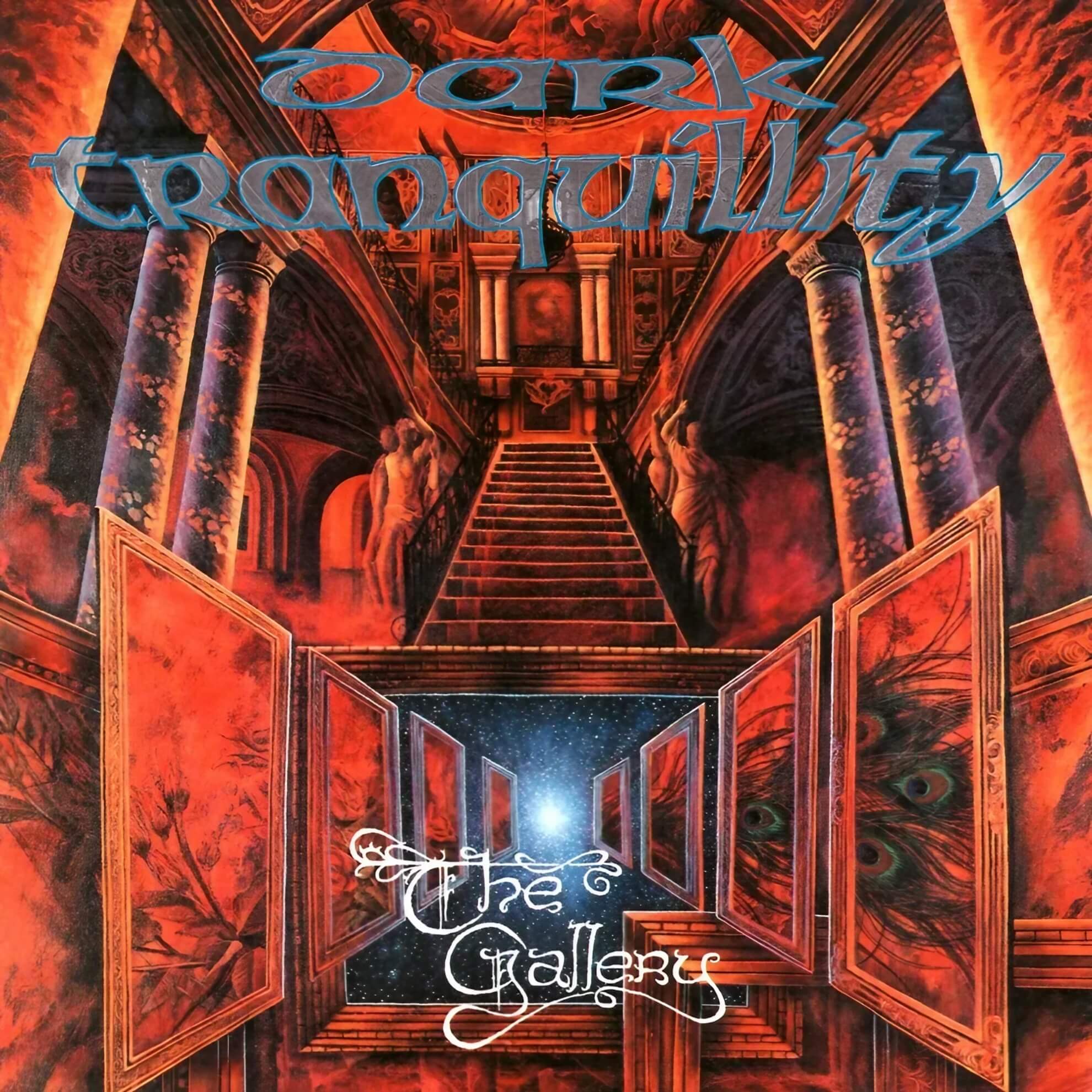
The first pillar of the 2026 Bogotá performance is ‘The Gallery.’ Celebrating its thirtieth anniversary, this album is widely regarded as the Magnum Opus of melodic death metal. Its performance in a theater setting like Teatro Astor Plaza allows for a musicological appreciation that is often lost in club venues.
‘The Gallery’ is characterized by a “Baroque” complexity that defies the standard verse-chorus structures of American rock, opting instead for multi-movement compositions reminiscent of classical forms. This is most evident in the counterpunctual interplay between the guitars, originally crafted by Fredrik Johansson and Niklas Sundin.
In tracks like ‘Punish My Heaven,’ the instruments do not merely mirror each other; they weave distinct, independent melodic lines that converge and diverge, creating a dense harmonic texture that demands attentive listening.
Furthermore, the album makes liberal use of acoustic guitars and triplets reminiscent of medieval lute music, grounding the electric aggression in a historic folk tradition. ‘Mine is the Grandeur…’ serves as a melancholic acoustic prelude to the ferocity of ‘Of Chaos and Eternal Night.’
In Bogotá, the expectation is that Johan Reinholdz and Mikael Stanne—who often plays rhythm guitar on these older tracks live—will recreate these acoustic interludes with a fidelity that highlights the stark contrast between the electric and the organic elements of their sound.
The Female Vocal Experiment
One of the defining features of ‘The Gallery’ was the inclusion of female vocals, sung by Eva-Marie Larsson, on tracks like ‘The Gallery,’ ‘Lethe,’ and ‘…of Melancholy Burning.’ This artistic choice was revolutionary in 1995, breaking the hyper-masculine codes of death metal to introduce a layer of ethereal vulnerability.
In the context of the 2026 live interpretation, it remains to be seen if the band will use backing tracks or a guest vocalist for these seminal parts in Bogotá. Given the “Character Gallery” concept, the visual projections—likely using Sundin’s original art—may serve to fill the presence of the absent female voice, creating a ghostly duet that underscores the album’s enduring themes of loss and memory.
‘Lethe’ as the Emotional Centerpiece
The track ‘Lethe’ is anticipated to be the emotional fulcrum of the first act. Named after the river of forgetfulness in Greek mythology, it features a fretless bass intro (originally by Martin Henriksson) that captures a sense of liquid sorrow.
The Bogotá audience, known for their emotional engagement, often reveres this track. The acoustics of Teatro Astor Plaza will be critical here; the nuanced bass glissandos must not be buried by the kick drum, a technical challenge that the band’s sound engineers must overcome to satisfy the “audiophile” expectations of the venue.
The Digital Pillar: ‘Character’ (2005)
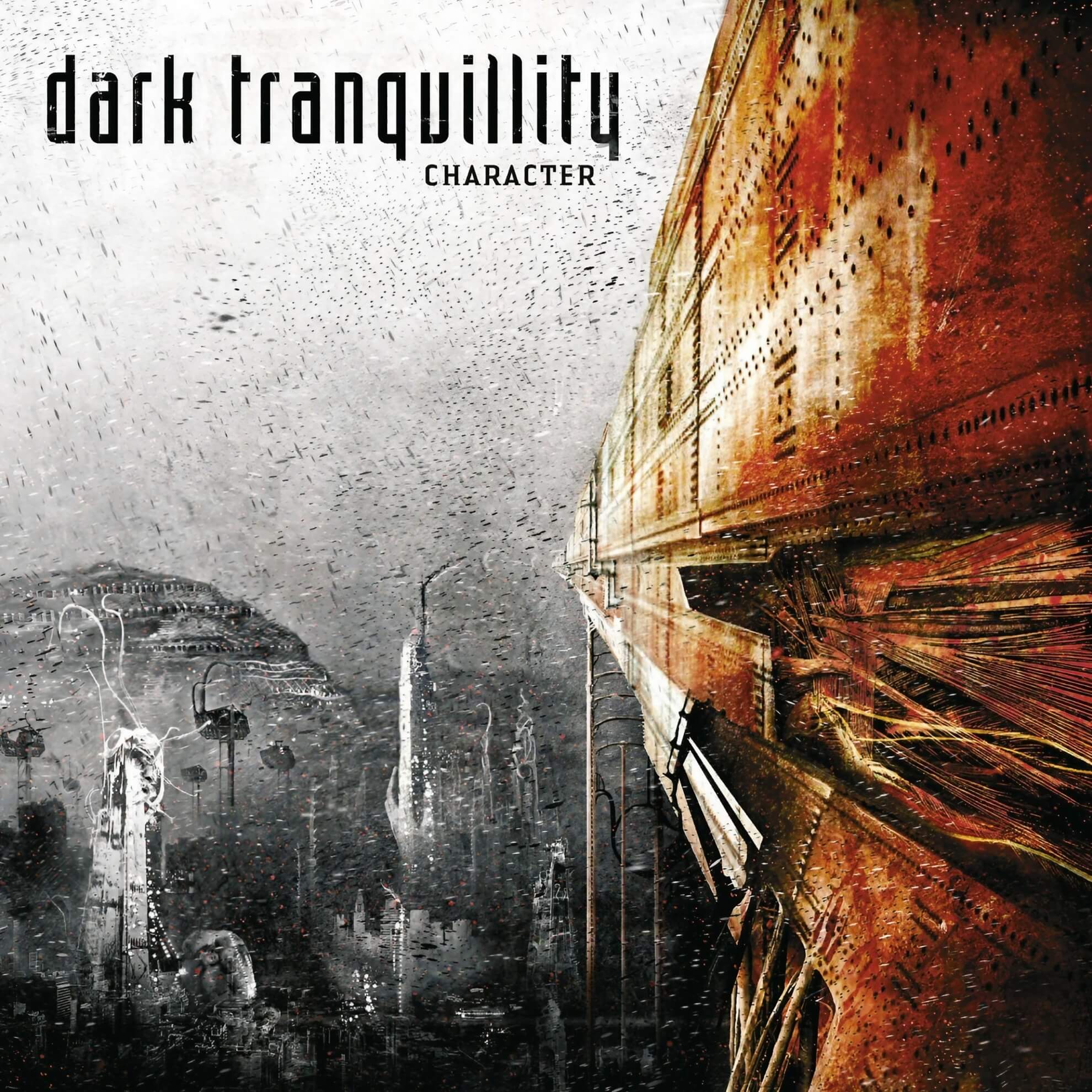
If ‘The Gallery’ represents the organic, wood-and-wire past of the band, ‘Character’ represents its cold, silicon future. Celebrating its twentieth anniversary, this album marked the completion of the band’s metamorphosis into a modern, keyboard-driven entity.
Following the experimental, softer albums ‘Projector’ (1999) and ‘Haven’ (2000), ‘Character’ was a declaration of war. It rejected the mid-tempo gothic structures in favor of high-speed aggression, yet it retained the electronic layers.
The opening track, ‘The New Build,’ serves as a sonic manifesto for this era. It begins not with a melody, but with a chaotic drum fill and immediate blast beats, launching a song fundamentally about intellectual reconstruction.
In the context of the 2026 tour, performing this track in a seated theater creates a physical paradox. The music demands kinetic energy—mosh pits, headbanging—while the venue imposes stasis. This tension is likely to break, with the Bogotá audience abandoning protocol to surge toward the stage.
The Role of Electronics
‘Character’ is the album where keyboardist Martin Brändström fully asserted his dominance. Unlike the atmospheric pads of the 90s, the synths on ‘Character’ are percussive, arpeggiated, and lead-driving. This shift is most audible on ‘Lost to Apathy,’ the single that became the band’s most recognizable hit from this era.
It features a synth hook that is as prominent as the guitar riff. In the live mix at Teatro Astor Plaza, the balance between Reinholdz’s guitar tone and Brändström’s synth patches will determine the success of the performance.
Lyrically, ‘Character’ deals with the fragmentation of the self and the anxieties of the modern age. Themes of ‘Dry Run’ and ‘The Endless Feed’ anticipated the digital saturation of the 2020s. Performing these songs in 2026, in a post-pandemic world, gives them a prophetic weight. Stanne’s delivery of lines regarding “the endless feed” of information resonates differently with an audience now living in the reality that the album predicted two decades ago.
The Present Condition: ‘Endtime Signals’ (2024)
While the tour looks backward, it also promotes ‘Endtime Signals.’ This album acts as the bridge between the two historic pillars, blending the melancholy of ‘The Gallery’ with the aggression of ‘Character.’
‘Endtime Signals’ was written in the shadow of the COVID-19 pandemic and the death of former guitarist Fredrik Johansson. Stanne has described the writing process as an exercise in processing “despair and helplessness.”
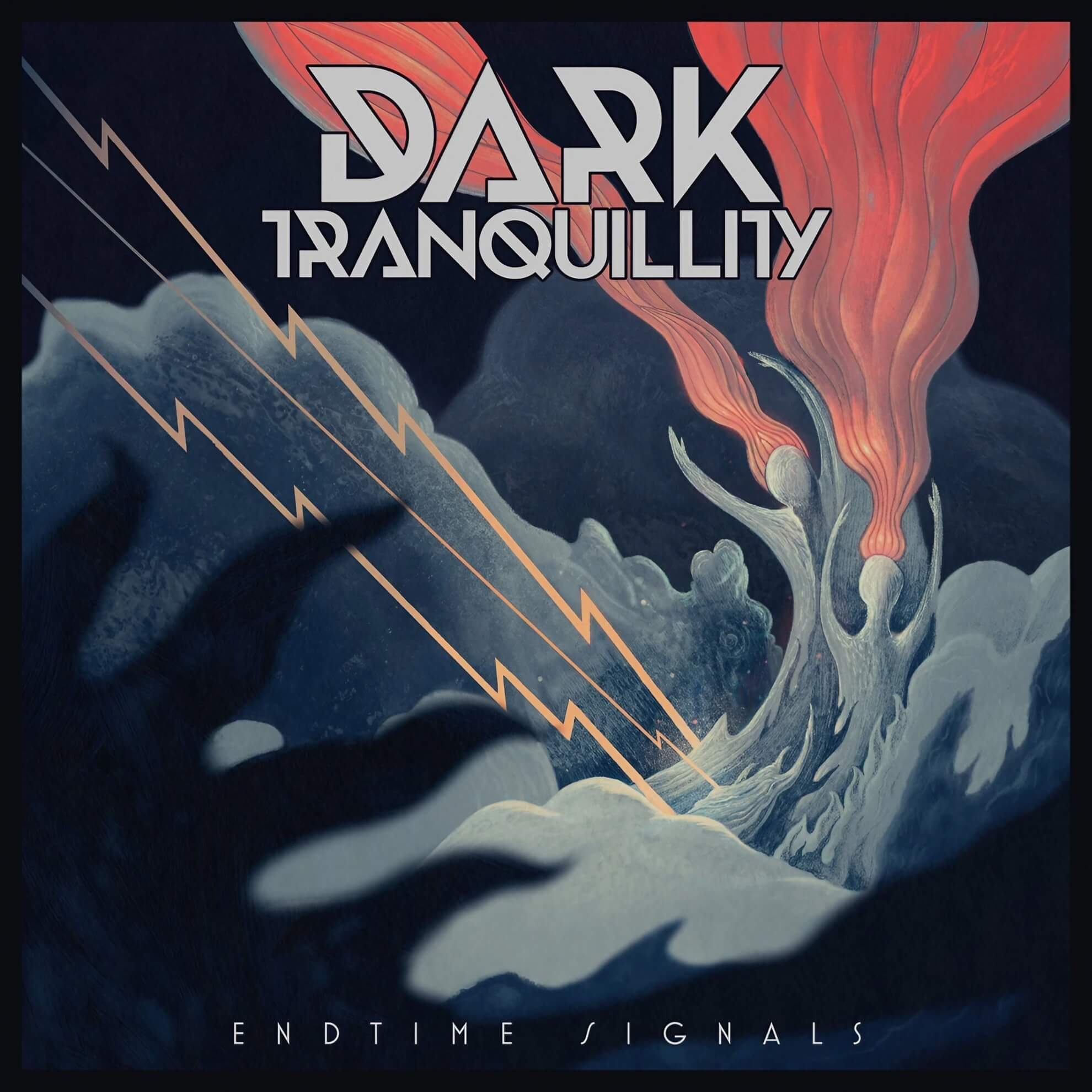
‘One of Us Is Gone’ stands as a direct eulogy to Johansson, using string arrangements and clean vocals to create a somber, funereal atmosphere. Its inclusion in the Bogotá setlist would likely serve as a collective moment of mourning, tapping into the “despecho” culture of Colombia—a cultural appreciation for songs of loss and remembrance. The contrast between the furious ‘The New Build’ and the mournful ‘One of Us Is Gone’ showcases the band’s dynamic range.
The New Lineup’s Fingerprint
The performance of ‘Endtime Signals’ material highlights the contributions of the new members. Johan Reinholdz’s playing style introduces a distinct technicality, leaning more toward shred-oriented and progressive metal elements than Niklas Sundin’s atmospheric approach.
On tracks like ‘Unforgivable,’ Reinholdz incorporates sweep-picking and neoclassical flourishes that push the band’s sonic boundaries while respecting its heritage.
Complementing this is Joakim Strandberg Nilsson, whose drumming is noted for its precision and speed—traits essential for the faster, more aggressive tracks on ‘Character.’ His ability to replicate the “swing” of Anders Jivarp while adding his own blast-beat intensity has been widely praised in European reviews, suggesting that the rhythm section will bring a revitalized energy to the live performance in Bogotá.
The Colombian Resonance
Why does a band from the cold, secular north of Europe resonate so deeply with the audience in the tropical, Catholic, high-altitude city of Bogotá? The answer lies in the shared frequency of “melancholic aggression.”
The relationship was cemented in 2018 at Festival Rock al Parque. Playing to a massive, non-paying crowd in the Simón Bolívar Park, Dark Tranquillity experienced a level of devotion that shocked them. Stanne recalled the crowd singing the instrumental melodies of ‘ThereIn’ as a choir. This phenomenon, known locally as “corear,” transforms the guitar riff into a vocal chant, effectively turning the audience into an additional instrument. This interaction is not passive; it is an active participation in the sonic creation, a reclaiming of the music from the stage to the pit.
Colombian culture has a deep-rooted musical tradition called “Música de Despecho” (music of heartbreak/spite). While stylistically distinct (ranchera/popular), the emotional function of this music—to cathartically release sorrow and anger—parallels the function of melodic death metal.
Dark Tranquillity’s lyrics, which often deal with betrayal, loss, and existential failure (‘Misery’s Crown,’ ‘Punish My Heaven’), provide a modern, metallic vehicle for this same emotional release. The Bogotá audience does not just headbang; they feel the lyrics with a melodramatic intensity that Stanne has described as “commitment.”
A Signal Through the Noise
When Dark Tranquillity takes the stage on January 21, 2026, they will not just be playing songs; they will be activating a cultural memory. For the 1,000 souls inside Teatro Astor Plaza, the concert represents a survival of the self. Just as the band has survived the death of grunge, the rise of nu-metal, and the collapse of the physical music industry, the fans have survived their own personal and societal upheavals.
The music of ‘The Gallery’ and ‘Character’ serves as the soundtrack to this survival. The Baroque intricacies of 1995 remind the audience of a time of discovery, while the digital fury of 2005 reminds them of their resilience. ‘Endtime Signals’ brings them into the present, acknowledging the grief of the post-pandemic world but refusing to succumb to it.
The upcoming performance by the band, which spans a thirty-year history, is set to intensely connect with the Bogotá audience. This event invites us to consider our own participation in this musical ritual. Given the distinctive blend of Nordic melancholy and Andean passion, how do you foresee the live presentation of ‘Endtime Signals’ in this specific cultural context reshaping your understanding of the band’s persistent theme of defiance?

Leave a Reply