


Nice is a city built on cultural convergence. Founded by Greek colonists around 350 BC and later absorbed into the Roman Empire, it evolved through centuries of changing allegiances—from Genoese alliances to nearly five hundred years under the House of Savoy—before becoming part of France in 1860. These layered influences are etched into its urban fabric, especially in the Italianate façades of Old Nice and landmarks such as the Place Garibaldi. Set against the Mediterranean’s blue expanse, the city remains a historic crossroads—architecturally, linguistically, and artistically.
At the heart of this layered identity stands the Opéra de Nice, a building whose very design mirrors the conceptual essence of the Metal Up The Opera Festival. Rebuilt in 1885 by architect François Aune—himself a student of Gustave Eiffel—after a devastating fire, the opera house is a study in contradiction. Its classical, stone-clad exterior evokes the traditions of high art and nineteenth-century refinement. Yet beneath this refined surface lies a skeleton of metal beams—an industrial core hidden inside an aristocratic shell.
This duality is not incidental; it is emblematic. Just as the Opéra de Nice unites formality and ferrous strength, so too does the festival fuse the grandeur of symphonic music with the raw power of extreme metal. The venue becomes more than a backdrop—it is a metaphor made architectural, embodying the festival’s ambition to collapse the old hierarchies between high culture and subculture, between opera and death growls, between marble and molten sound.
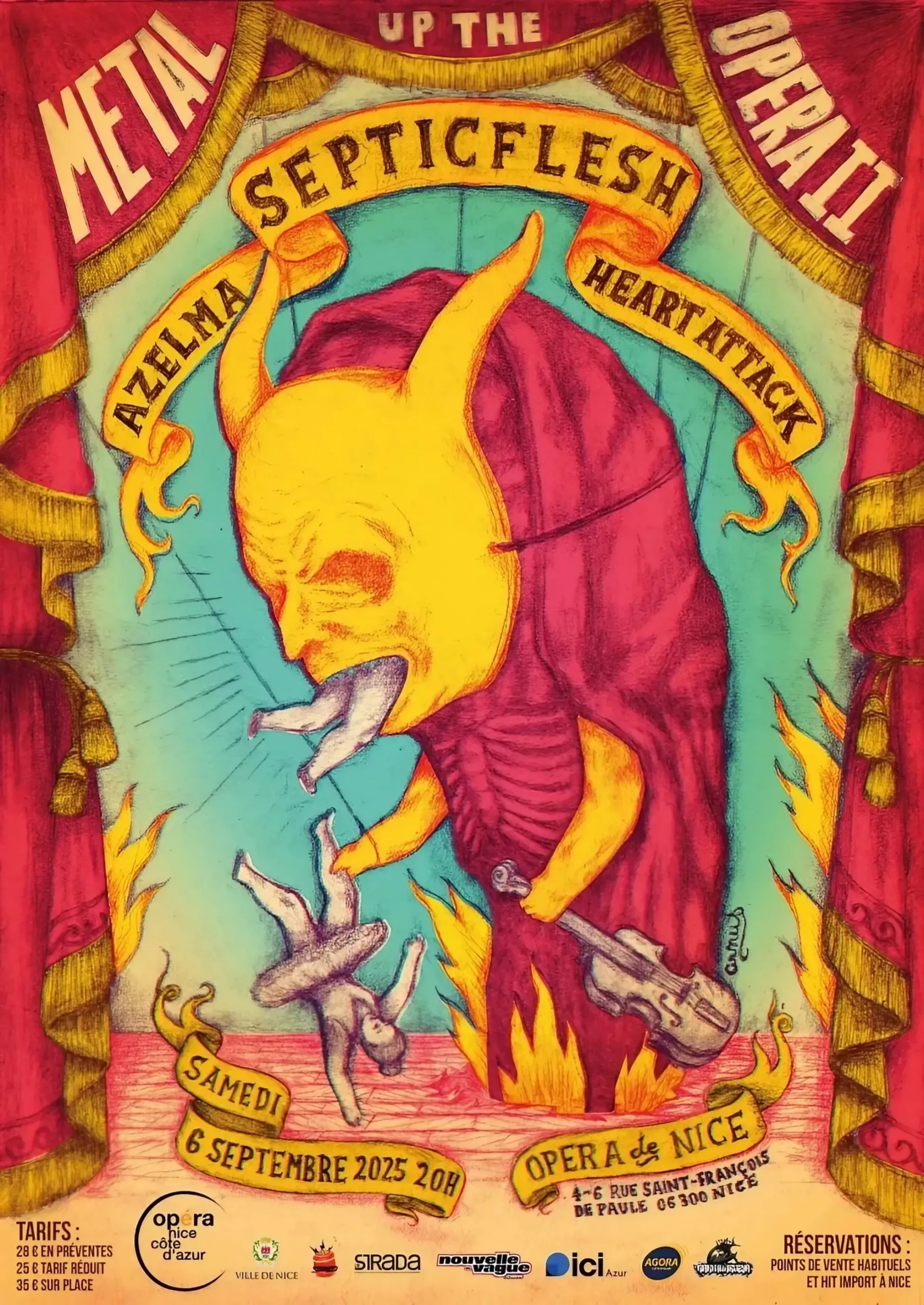
On September 6, 2025, that metaphor will resonate—literally—through the hall’s ornate balconies and steel bones as Septicflesh, Heart Attack, and Azelma transform the opera house into a battleground for aesthetic hybridity. The Metal Up The Opera Festival is not merely an event; it is a confrontation between legacies, staged in a building where such convergences are already written into the walls.
Operatic Metal: The Music’s Origins
Symphonic metal emerged in the early 1990s within the European metal scene, fusing the compositional traditions of classical music with the intensity of metal subgenres such as death, doom, and gothic metal. While this hybrid style eventually gained coherence as a genre in its own right, its origins lie in a series of experimental and often contentious collaborations.
One early attempt to merge rock with orchestral music was ‘Concerto for Group and Orchestra,’ performed by Deep Purple and the Royal Philharmonic Orchestra in 1969. Conceived by keyboardist Jon Lord, the project introduced symphonic elements into a hard rock framework. However, the reception was mixed—not only by audiences, but by the band itself. Guitarist Ritchie Blackmore and other members expressed discomfort with the project, viewing it as an artistic detour rather than a natural progression. The internal tensions surrounding the concerto underscore the fact that this kind of fusion was, at the time, far from an established or uncontested concept.
Throughout the 1980s, metal bands continued to experiment with classical influences. Swiss act Celtic Frost introduced orchestral textures and operatic flourishes on ‘To Mega Therion’ (1985), an album whose title would later inspire the name of Therion, one of symphonic metal’s foundational bands. In 1990, American thrash metal band Believer released the track ‘Dies Irae,’ blending metal instrumentation with classical arrangements—a further step toward the genre’s formalization.
It was in the mid-1990s that symphonic metal began to crystallize as a genre. Swedish band Therion, under the direction of Christofer Johnsson, evolved from their death metal roots into a group that incorporated full orchestras, choirs, and mythological or esoteric lyrical themes. Their 1996 album ‘Theli’ became a cornerstone of the genre, introducing a formula that paired operatic female vocals with harsh male growls, layered over dense orchestral arrangements and guitar-driven foundations.
This fusion of compositional structure and amplified aggression came to define symphonic metal as more than just ornamentation. It was a dialogue—often uneasy—between musical traditions that had long been considered mutually exclusive.
Metal Up The Opera Festival: The Location and Event
Nice’s history of changing national allegiances and cultural influences provides a context for hosting a global music festival with hybrid genres. The city was founded by Greek colonists around 350 BC as Nikaia. It later became a Roman settlement, Cemenelum. Over the following centuries, it was allied with Genoa, raided by Saracens, and ruled by the Counts of Provence before becoming part of the House of Savoy in 1388, where it remained for almost five hundred years. It became part of France in 1860 following a referendum.
The Opéra de Nice has been a part of the city’s cultural life through much of this history. It began as a small wooden theater in 1776, was destroyed by fire in 1881, and was rebuilt in 1885. In the nineteenth century, Nice was a winter destination for European aristocracy, and the opera attracted composers like Verdi and performers such as Nelly Melba and Luciano Pavarotti. Holding a metal festival at the Opéra de Nice places the event within a venue with a long history of high culture.
The Metal Up The Opera Festival is the second edition of this event, following a previous one three years prior. The event’s purpose is to present melodic metal and symphonic music within the Opéra de Nice. The festival is scheduled for September 6, 2025, and will include a free afternoon program on the opera’s esplanade before the main ticketed event in the evening.
The Performers
The main evening event features three bands, representing different facets of the metal genre.
Septicflesh: The Hellenic Orchestrators
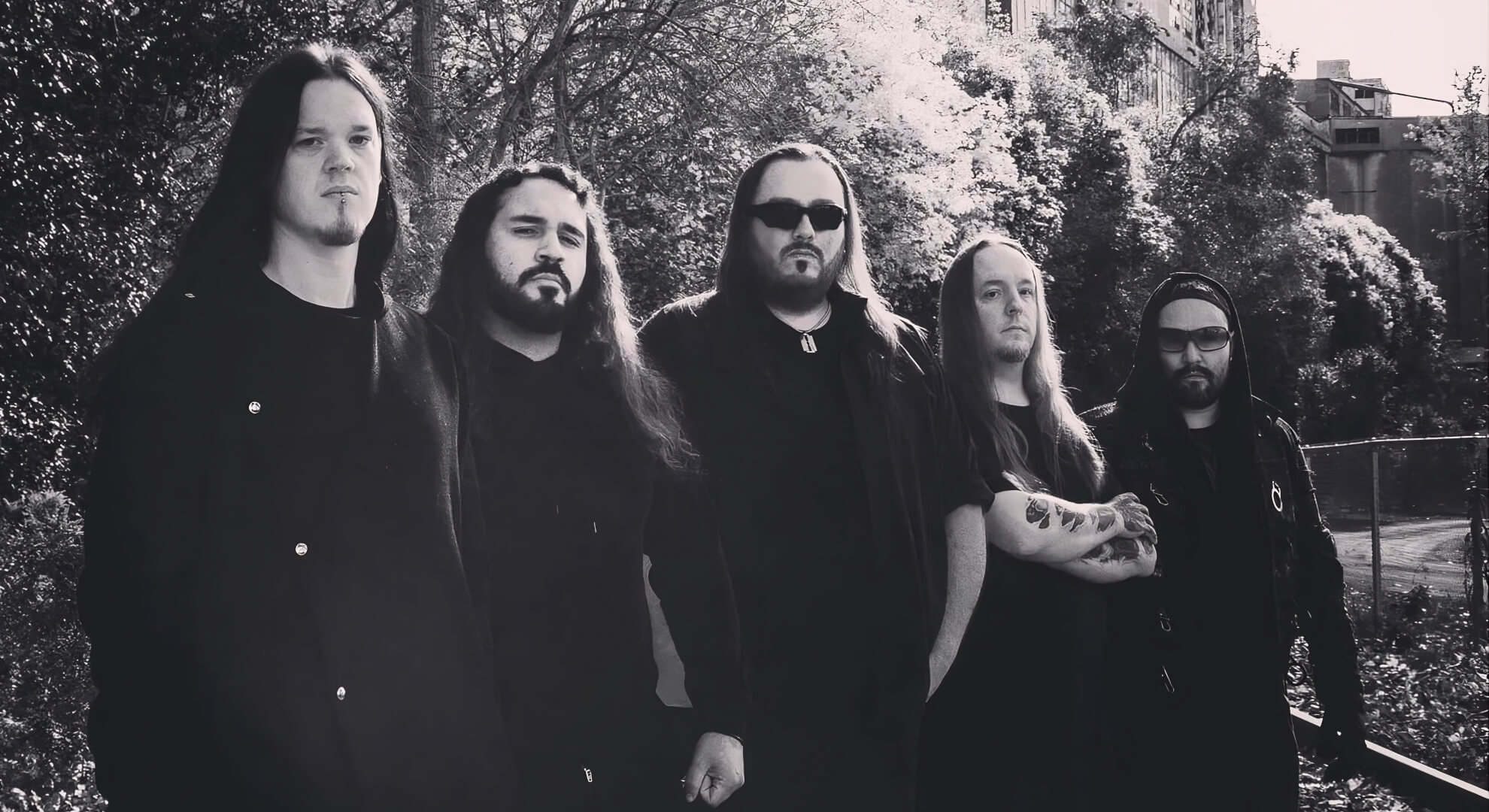
The headliner for the festival is Septicflesh, a symphonic death metal band from Greece. Formed in Athens in March 1990 by brothers Spiros “Seth Siro Anton” Antoniou (vocals, bass) and Christos Antoniou (guitar), along with Sotiris Vayenas (guitar, clean vocals), the band is considered a pioneer of the Hellenic death metal sound. Their early work, such as the 1994 debut album ‘Mystic Places of Dawn,’ established their foundation in death metal.
The band’s sound began a significant evolution with the 1997 album ‘Ophidian Wheel,’ which introduced a female soprano vocalist, Natalie Rassoulis, and incorporated more neo-classical elements. After disbanding in 2003, the group reformed in 2007 and made a decisive shift in their musical direction.
Their 2008 comeback album, ‘Communion,’ was the first to feature a full, live orchestra—the Filmharmonic Orchestra of Prague. This integration of live symphonic arrangements with extreme metal became their defining characteristic. The orchestral compositions are handled by Christos Antoniou, who holds a master’s degree in concert music.
The band has continued to expand on this sound, using adult and children’s choirs and a variety of ethnic instruments on subsequent albums like ‘The Great Mass’ (2011), ‘Titan’ (2014), and ‘Codex Omega’ (2017). Their lyrical themes draw heavily from mythology, including Greek, Egyptian, and Sumerian traditions, as well as philosophy and occultism.
Septicflesh has a history of ambitious live performances, including a sold-out show in Mexico City with over 100 musicians and a landmark concert at the Odeon of Herodes Atticus at the Acropolis in Athens.
Heart Attack: The Riviera’s Thrash Instigators
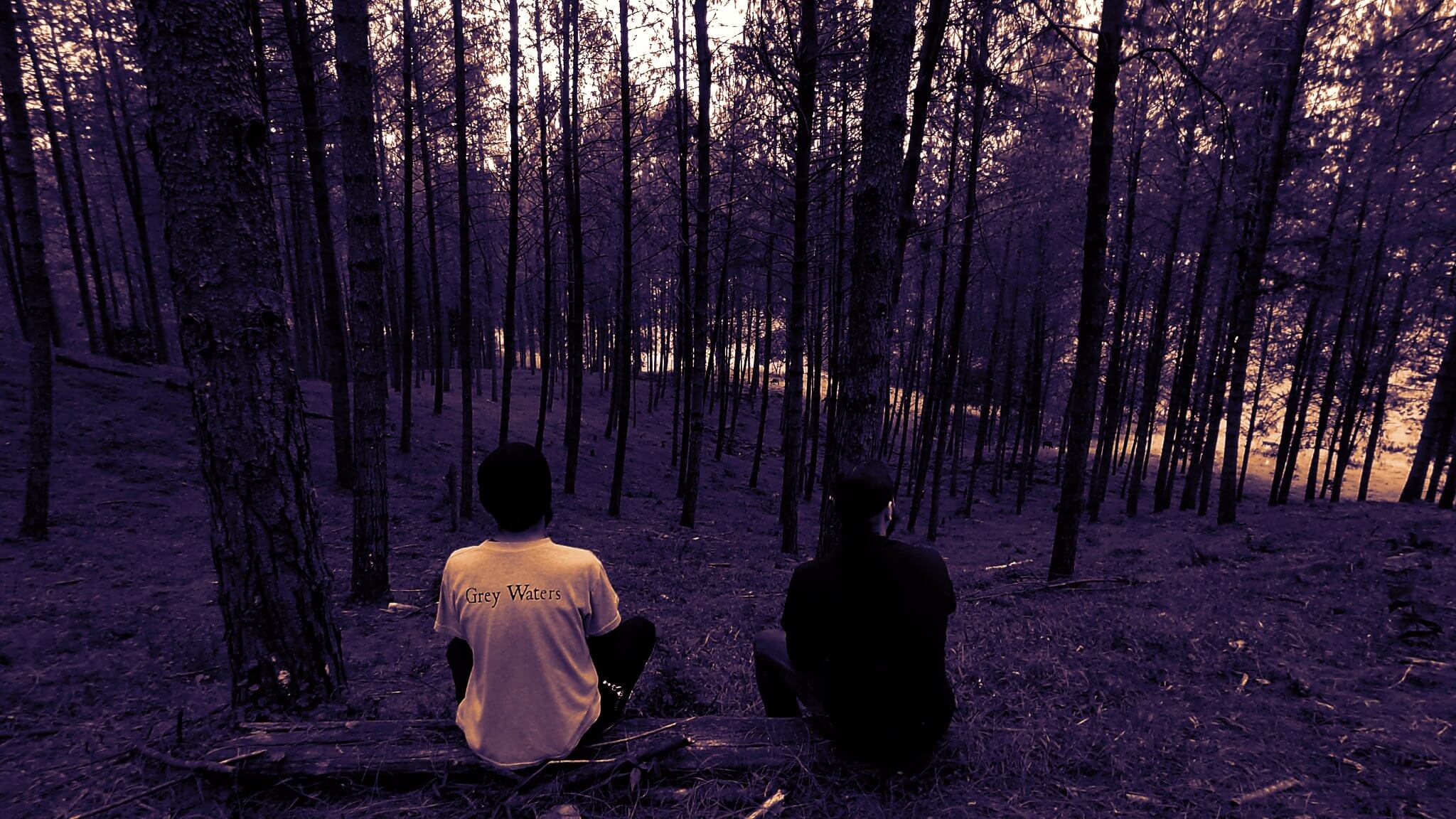
Also performing is Heart Attack, a thrash metal band from the French Riviera. Formed in Cannes in 2007 by schoolmates, the band has become a prominent act in the French metal scene. Their sound is a blend of modern thrash and death metal, with cited influences including Gojira, Machine Head, and early Metallica.
The band’s musical style is characterized by aggressive, fast-paced riffs, complex song structures, and a dual vocal approach that combines the harsh, rasping vocals of Kevin Geyer with death metal growls from bassist Will Ribeiro. The band has released three full-length albums: ‘Stop Pretending’ (2013), ‘The Resilience’ (2017), and ‘Negative Sun’ (2022).
Their most recent album, ‘Negative Sun,’ released on Atomic Fire Records, saw the band incorporating more progressive elements, including keyboards and orchestral parts, into their thrash framework. Heart Attack is known for their energetic live performances and has toured extensively, appearing at major European festivals such as Hellfest.
The band has a direct connection to the festival’s origin; the idea for the first Metal Up The Opera event was conceived after Heart Attack filmed their music video for the song ‘Wings of Judgement’ inside the Opéra de Nice.
Azelma: The Niçois Vanguard
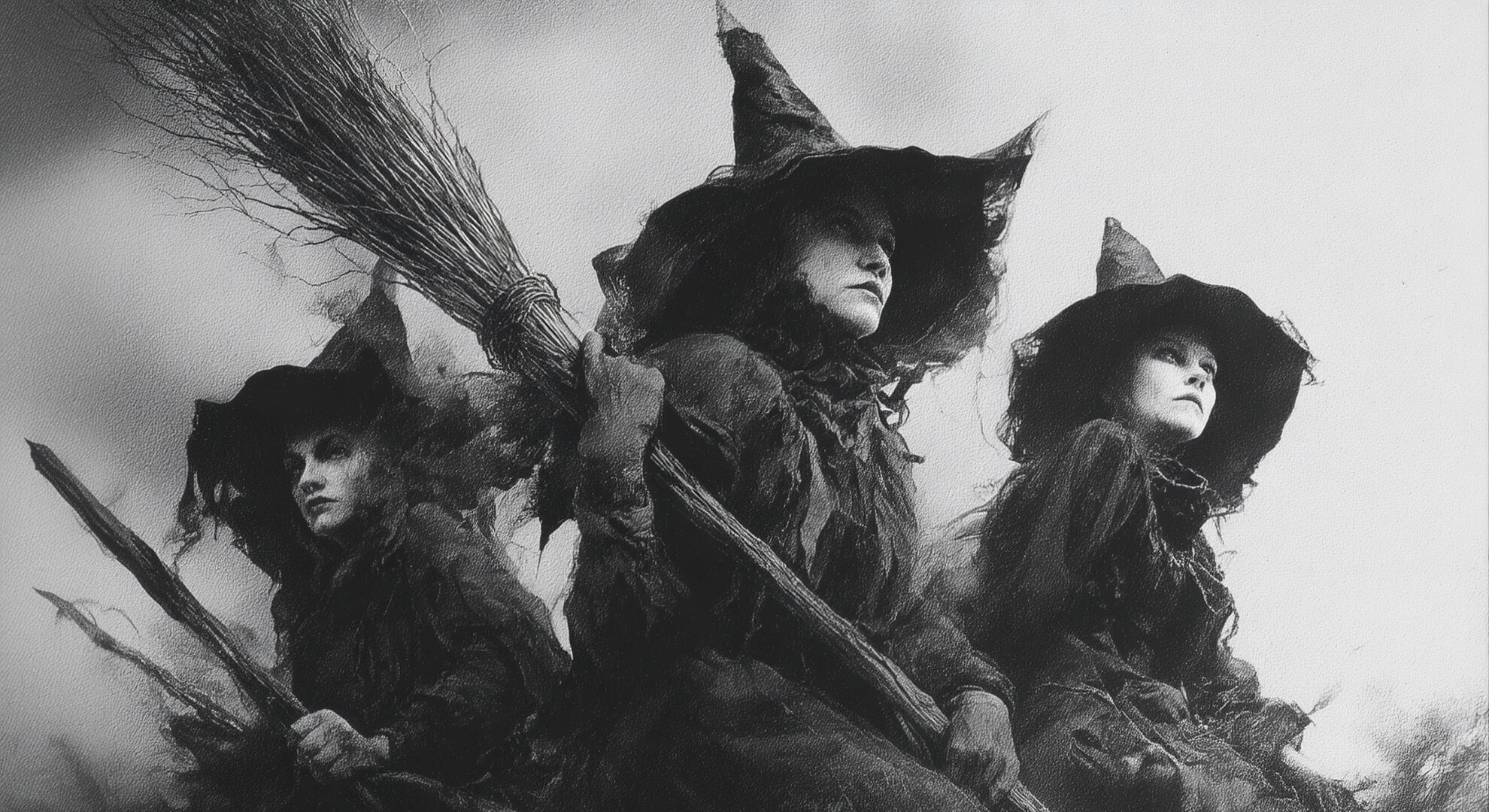
Azelma is a death metal band from Nice, formed in 2023. The group consists of four young musicians from the Côte d’Azur, all of whom were previously members of the band Leipzig. The band’s name, Azelma, is taken from a character in Victor Hugo’s novel ‘Les Misérables.’
Their musical style is described as progressive and technical death metal, blending brutality with cinematic aesthetics and complex compositions. The band cites major acts such as Gojira, Death, and Cattle Decapitation as influences. Azelma aims to create an elegant and minimalist visual identity, intentionally moving away from the traditional imagery associated with the death metal genre. In 2024, the band released their debut EP, ‘Swallowed By My Own Sins,’ and a music video for the track ‘Prométhée.’ Their stated intention for live performances is to create a shared experience with the audience that celebrates both life and death.
The Bulletin
Subscribe
Subscribe today and connect with a growing community of 613,229 readers. Stay informed with timely news, insightful updates, upcoming events, special invitations, exclusive offers, and contest announcements from our independent, reader-focused publication.
The Afternoon Program
Before the main event, the festival will host a free open-air gathering on the esplanade of the opera from 2 p.m. to 8 p.m. This portion of the program showcases several emerging and established acts from the regional and national metal scene, each contributing a distinct voice to the festival’s stylistic diversity.
Deceates, a French band, delivers groove metal with modern textures. Kaagorah, from the Côte d’Azur, performs in a style described as Southern stoner metal—a blend of stoner rock, groove metal, and heavy breakdowns. Also from the local scene is Merakhaazan, a solo double bassist who crafts atmospheric soundscapes in real-time using loops, merging acoustic instrumentation with electronic layering.
The lineup also includes Soul Splitter, a metalcore quartet from Cannes, and Aliore, a band known for its intense live performances and progressive take on modern metal. These artists collectively frame an afternoon of genre fusion and innovation, providing a dynamic prelude to the evening’s orchestral-metal convergence within the opera house.
The Festival Experience
The festival in Nice is an event that will draw an international audience. Fans of this music often travel to attend festivals, such as Germany’s Wacken Open Air and France’s Hellfest, which have high ticket prices and sell out quickly.
The festival is an example of current trends in music and culture. It combines musical styles often categorized as “high” and “low” art. The attendees will be at an event that is both a metal show and has operatic components. The venue’s history and aesthetic may complement the music performed.
As music consumption becomes more solitary and algorithm-driven, large-scale physical gatherings for a niche genre offer a different kind of experience. Digital platforms have made music more accessible but have also changed the way people find new music. A festival like Metal Up The Opera Festival is an event based on communal experience and shared interest. It brings together a global fanbase that may have previously interacted primarily online.
Conclusion
The main event for the Metal Up The Opera Festival is scheduled for Saturday, September 6, 2025, at 8:00 p.m. at the Opéra de Nice.
Tickets for this evening performance are available at several price points. Presale tickets are priced at €28 (about $30), with a reduced price of €25 (about $27) available. Tickets purchased at the door on the day of the event will be €35 (about $38).
In addition to the main concert, the festival includes an afternoon program on the opera’s forecourt, which is free to attend and runs from 2 p.m. to 8 p.m. Tickets for the main event can be purchased online through the official Opéra Nice Côte d’Azur website.
Support
Independent
Journalism
Fund the voices Behind Every Story
Every article we publish is the product of careful research, critical reflection, and stringent fact-checking. As disabled individuals, we navigate this work with unwavering dedication, poring over historical records, verifying sources, and honing language to meet the highest editorial standards. This commitment continues daily, ensuring a consistent stream of content that informs with clarity and integrity.
We invite you to support this endeavor. Your contribution sustains the work of writers who examine their subjects with depth and precision, shaping narratives that question assumptions and shed light on the overlooked dimensions of culture and history.
Donations are processed through an in-kind sponsorship model powered by Paymattic—a secure, reliable donations plugin that enables direct support for our ongoing editorial work.

Leave a Reply