


A psychiatric hospital that held real patients for 60 years does not strictly need an invented history to unsettle visitors; its corridors already carry enough weight on their own. The company staging this fall’s haunted-house season inside that shuttered Wisconsin facility supplied one anyway, and the choice is more interesting than it first sounds.
Rather than layering generic asylum tropes onto the site, the attraction’s writers reached for a specific, fictionalized slice of Cold War history and grafted it onto a real, lesser-known detail buried in the complex’s own past: a wartime detention program most visitors have never heard of.
Fiction Built From a Real Secret
The property at N3773 Garden Parkway in Sheboygan Falls is popularly known as the Sheboygan County Hospital for the Insane, and Sheboygan Haunted Asylum markets itself under that name.
The documented county record is more precise: the original Hospital for the Insane operated in Sheboygan from 1876 until 1940, when it was replaced by the Sheboygan County Comprehensive Health Care Center on the Sheboygan Falls site the haunt now occupies, a facility that ran from 1940 to 2002 and picked up its own reputation for paranormal activity partly through confusion with its predecessor.
That second facility briefly served a stranger purpose than either name suggests: in 1944 and 1945, the US military requisitioned it, renamed it Camp Sheboygan, and used it to detain Italian and German prisoners of war, who worked the surrounding fields before the property returned to psychiatric and residential care.
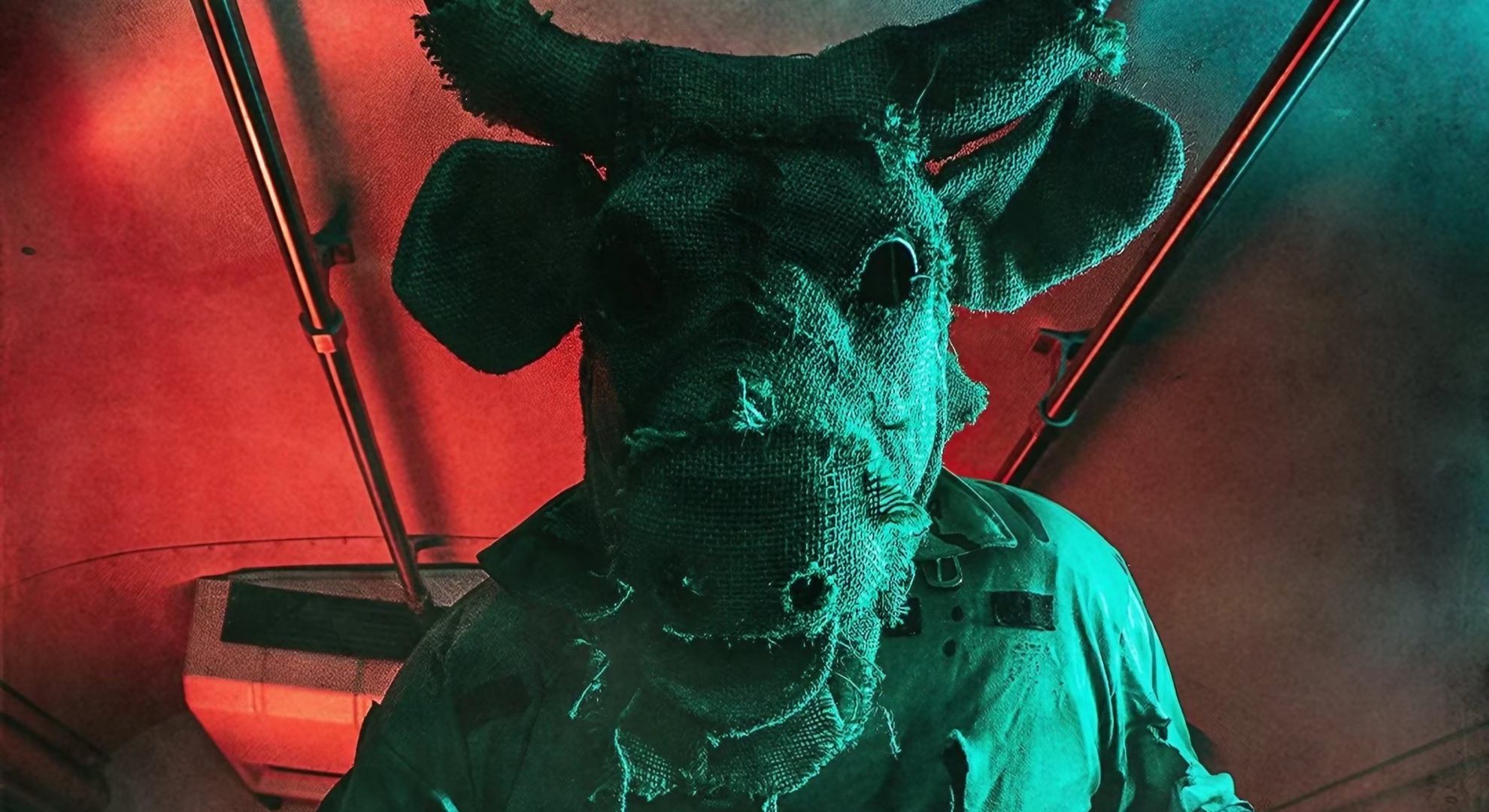
The haunt’s writers did not stop at that real fact, but they did start from it. The attraction’s official backstory, posted on its own site, invents a fictional superintendent named Dr. Henry Osgood, a former Nazi-era neurologist absorbed into American service through a fictionalized version of Operation Paperclip and installed at the facility by 1953 under a cover identity.
There, the story claims, he ran a covert program called Lazarus, funded by the Central Intelligence Agency and modeled loosely on the real MKUltra research of the period, seeking to chemically erase fear from the human mind. The narrative builds toward a specific invented room, labeled Room 8 after Osgood’s own dead daughter, and a fictional airborne compound called Agent L-1NA that the story claims turned the facility’s staff and patients into something no longer human.
None of that is documented history, and the attraction does not present it as such outside its own marketing copy. What makes the concept worth taking seriously is the specific hinge it uses: a real, comparatively obscure wartime detention program becomes the seed for an invented Cold War conspiracy, rather than the attraction reaching for the interchangeable “abandoned asylum” shorthand that fills most seasonal haunts.
A generic haunted house borrows atmosphere from institutional horror in the abstract; this one borrows a documented historical anomaly and asks what might have followed it, a narrower and more specific kind of invention than the format usually attempts.
The Facility Does the Directing
Sheboygan Haunted Asylum’s central design choice is closer to restraint than invention: the production leans on the clinical severity already present in the structure rather than replacing it. Guests move through the same long corridors, heavy doors, and institutional rooms the complex was originally built to hold, an environment that predates the haunt by more than 80 years and was never designed with a visitor’s fear response in mind.
The Patient Pass, an optional add-on, is the one place the production breaks from the hands-off rule that governs the rest of the walkthrough, allowing guests who purchase it to be grabbed and separated from their group by scare actors, an exception the attraction frames explicitly as opt-in rather than a default of the experience.
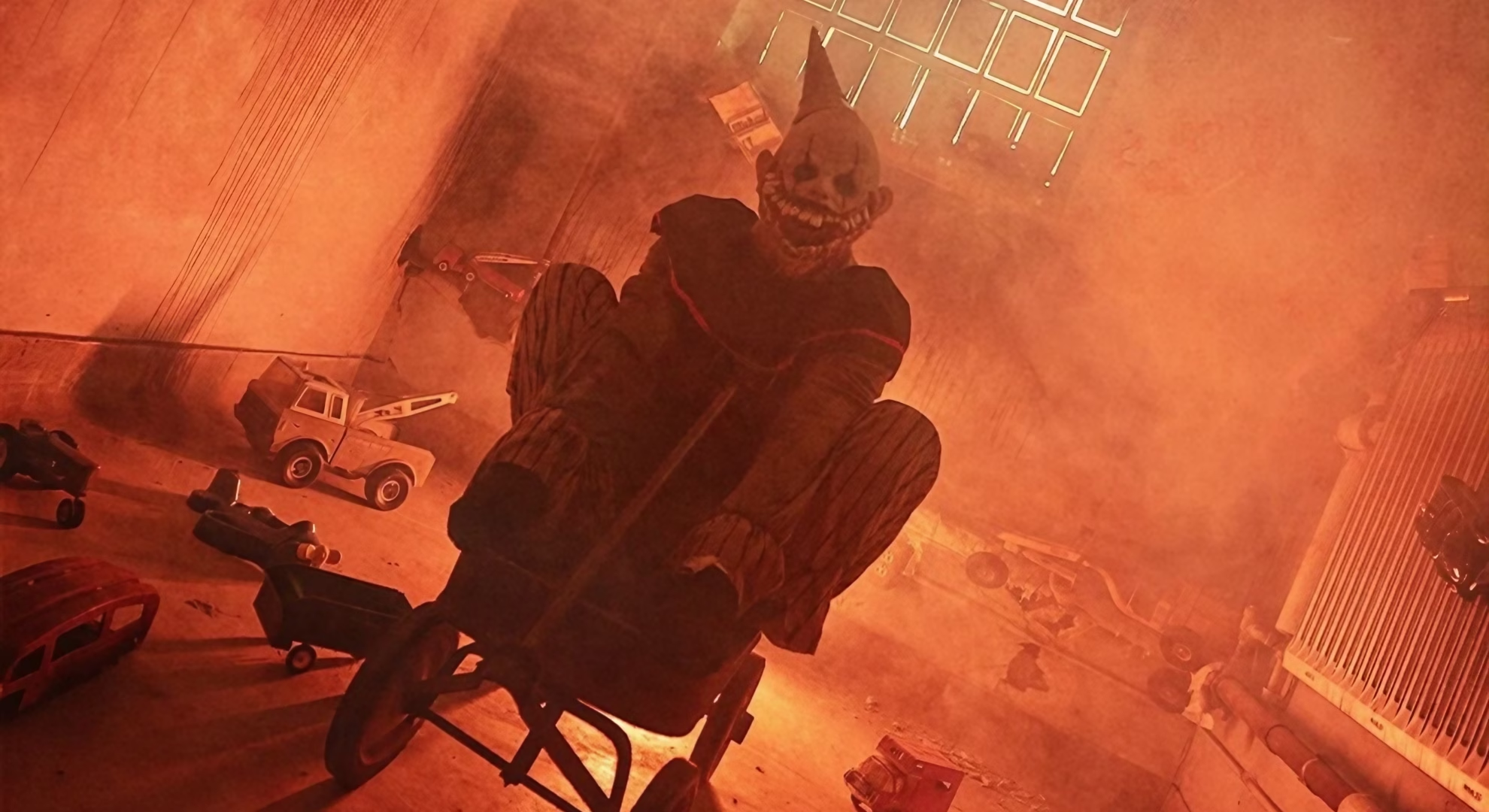
The VIP Behind-the-Scenes Tour is the clearest evidence that the production treats the real site as a design asset in its own right, not simply a backdrop. The add-on tour takes guests through sections of the historic complex kept outside the standard haunted-attraction route, framed explicitly as a chance to see more of the facility rather than more of the scare content.
Layering theatrical fiction onto a structure that was never meant to be toured this way, rather than replicating the look of one from scratch, is the specific mechanism doing the design work here, and it is why the attraction’s own materials keep returning to the claim that no other Wisconsin haunt operates inside a real former psychiatric facility.
A Small Haunt in a Large Tradition
Staging a haunted attraction inside a real institution rather than a purpose-built set is not a new idea in the industry; it has a documented history that predates Sheboygan Haunted Asylum by decades.
Eastern State Penitentiary in Philadelphia has run its Halloween Nights (rebranded from the earlier Terror Behind the Walls) haunt since 1991, using the actual cellblocks of a decommissioned nineteenth-century prison and growing into one of the largest Halloween attractions in the country, produced as a fundraiser for the site’s historic-preservation nonprofit rather than as a commercial haunted-house operation in its own right.
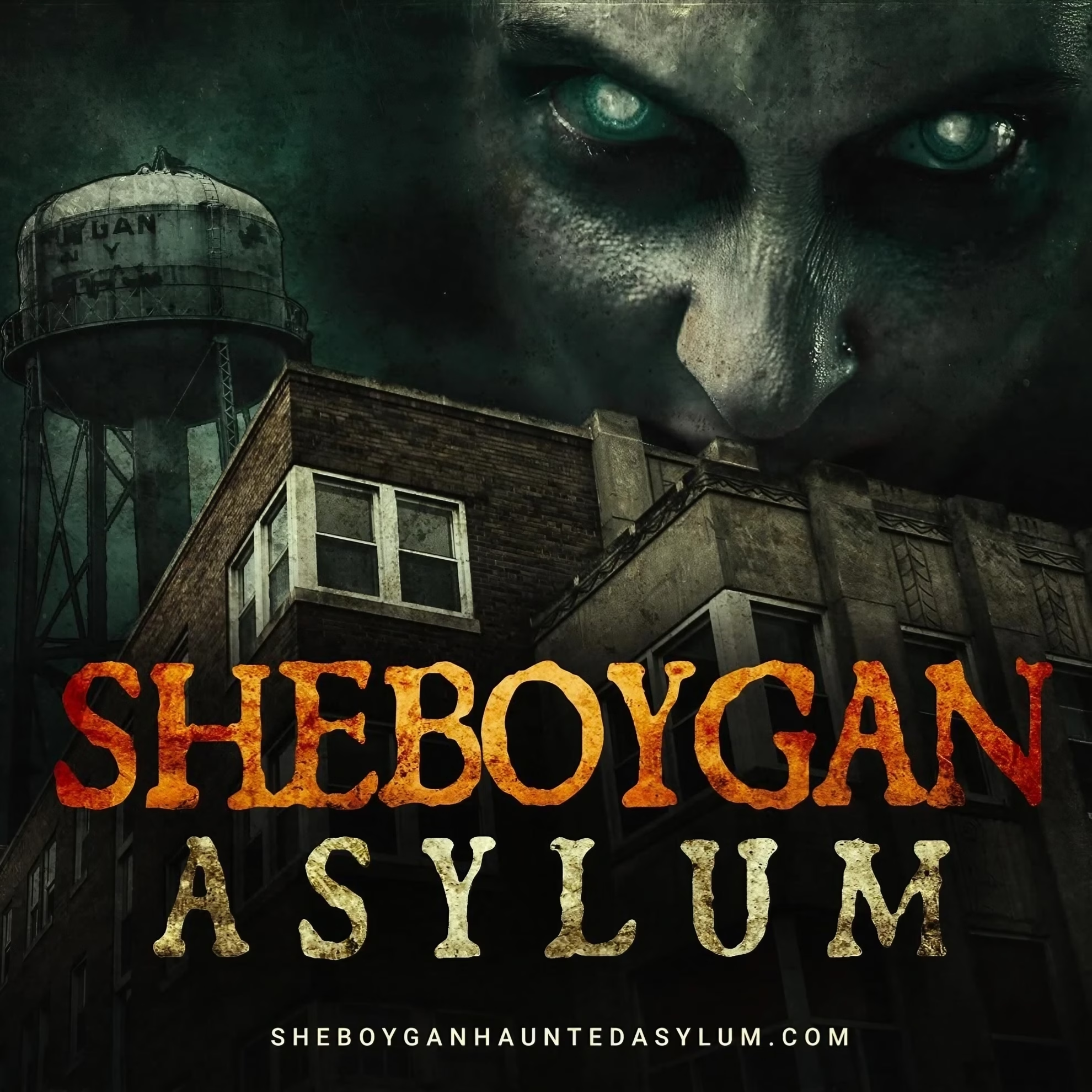
Sheboygan Haunted Asylum sits at a much smaller and newer point on that same documented continuum. Produced by the Root of All Evil Entertainment Group, a Milwaukee County haunted-house company, rather than a historic-preservation nonprofit, the attraction first opened in October 2024, and 2026 marks its third confirmed season.
Where Eastern State’s model uses an authentic structure to fund the preservation of that structure, Sheboygan Haunted Asylum uses one to fund a seasonal commercial production, a distinction worth noting precisely because the two attractions otherwise share the same underlying premise: that a real institutional space does creative work no built set can fully replicate.
Visiting the Asylum
Sheboygan Haunted Asylum runs on selected nights from September 19th through November 7th, 2026, with gates opening between 6:00pm and 6:30pm depending on the date and closing as late as 10:30pm on the busiest October weekends.
General admission is $34.95 (approx. COP 108,700); an Urgent Pass with reduced wait times costs $54.95 (approx. COP 170,900); and the VIP Behind-the-Scenes Tour runs $119.95 (approx. COP 373,100).9 New for 2026 is the Asylum Fields, an outdoor nighttime corn maze sold as an on-site-only add-on starting at $10 (approx. COP 31,100) per person and subject to weather conditions.
The complex is located at N3773 Garden Parkway in Sheboygan Falls, with entry from County Road VN only; parking is free.
The Weight the Halls Still Carry
Sheboygan Haunted Asylum could have told a simpler story. A haunted house set inside a former psychiatric facility does not need Operation Paperclip, MKUltra, or an invented chemical agent to unsettle anyone; the corridors alone would likely have been enough.
That the production reached further, and reached specifically toward a documented but little-known chapter of the complex’s own wartime past, says something about where the attraction is trying to sit within the wider dark-tourism tradition: not as a haunted house that happens to occupy a real hospital, but as one that treats the hospital’s actual, layered history as raw material worth extending rather than simply occupying.
Readers who have walked through a haunted attraction built inside a real historic institution, rather than a purpose-built set, are welcome to share how the authenticity of the space changed the experience for them, or to point toward other real-location haunts in their own region that deserve a closer look this season.
Tourism Partnership
We reach an audience that travels with intention — drawn to documented history, dark heritage, and the cultural weight of the places they seek out. If you operate tours, cultural experiences, accommodation, or heritage sites aligned with that ethos, we would like to hear from you. We consider partnerships with tour operators, travel agencies, hostels, hotels, museums, and any organization whose work engages seriously with dark tourism, gothic culture, or historical travel. We do not promote services we cannot stand behind editorially. Reach us through our Contact page.

Leave a Reply