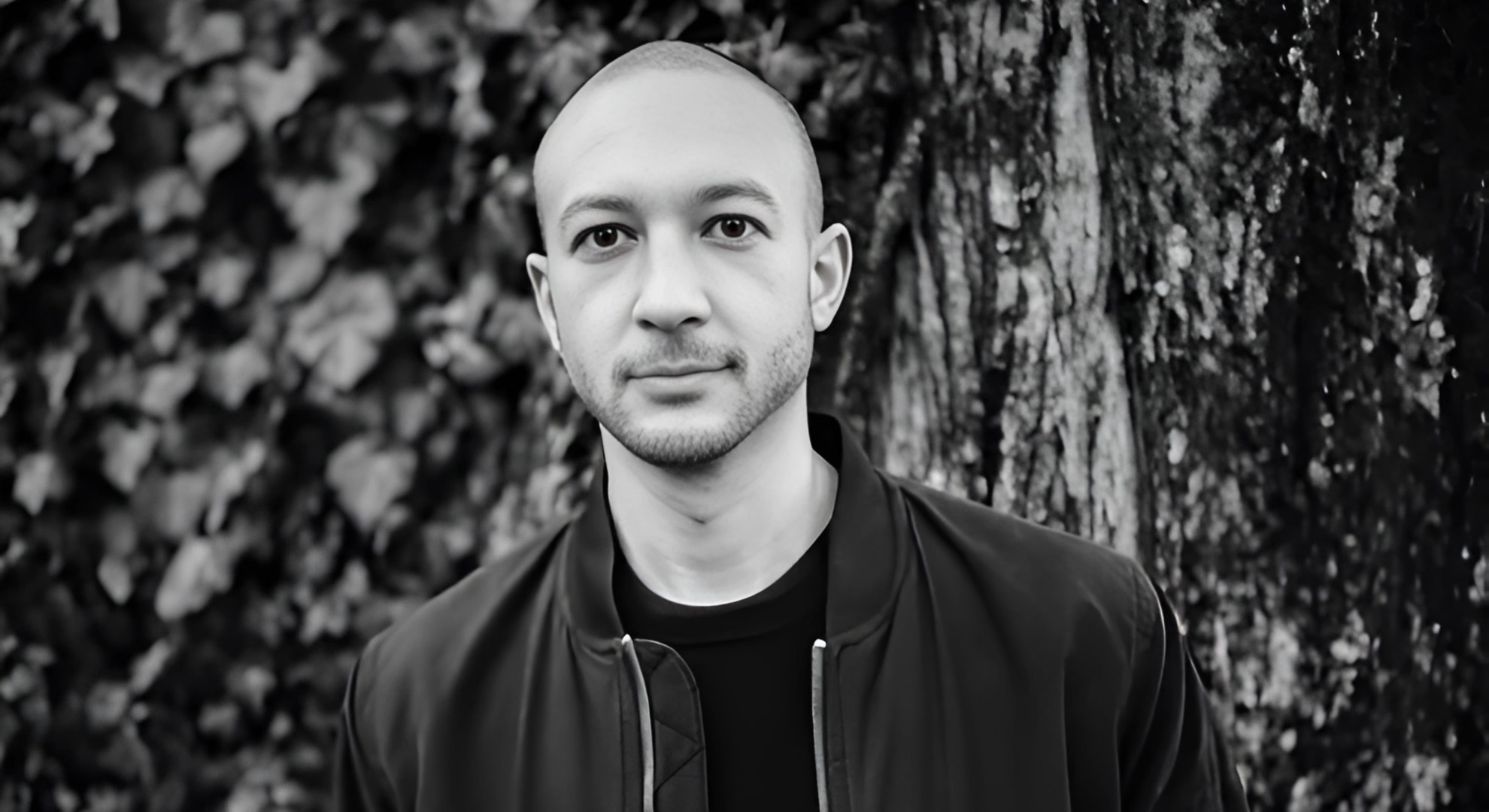


A house that expels its occupants is a familiar figure in horror; a house that recruits for itself is a less common and more unsettling one. In ‘Cold Empty Rooms,’ due November 10th, 2026 from Hachette Book Group’s Run For It imprint, Andy Marino places the second kind of house at the center of a 384-page trade paperback (ISBN 9780316594141).
The main conceit rests on a bequest: when Soren Murphy’s aunt dies, she leaves him her ancient manor, and he had never known her. An inheritance is the one acquisition a person receives without having sought it, and the genre has long drawn on that passivity: the heir takes possession of obligations written by someone else.
The aunt Soren never knew has left him not only property but a set of terms he did not negotiate, and the publisher’s description makes plain that the house, not the heir, sets them.
The Hachette title page lists the book in three formats: the trade paperback, an ebook (ISBN 9780316594158), and an unabridged audiobook download (ISBN 9781668651315). The materials released so far point in three directions at once: toward the Argentine tradition of the house that cannot be kept, toward the history of Peoples Temple that one of the novel’s endorsers invokes, and toward a cover photographed from a handmade model.
A Bequest From a Stranger
Soren’s girlfriend, Mara Davis, is excited by the inheritance, since the couple has been looking for a home. The house is haunted, however, and Soren begins receiving messages from an entity called the Great Other, which tells him to invite others in and relieve them of their sorrow. Mara hears the voice as well, and it offers her comfort if she enters the house’s darkest halls. The publisher’s description places the story among old wounds within the house and a horrific “miracle” that follows.
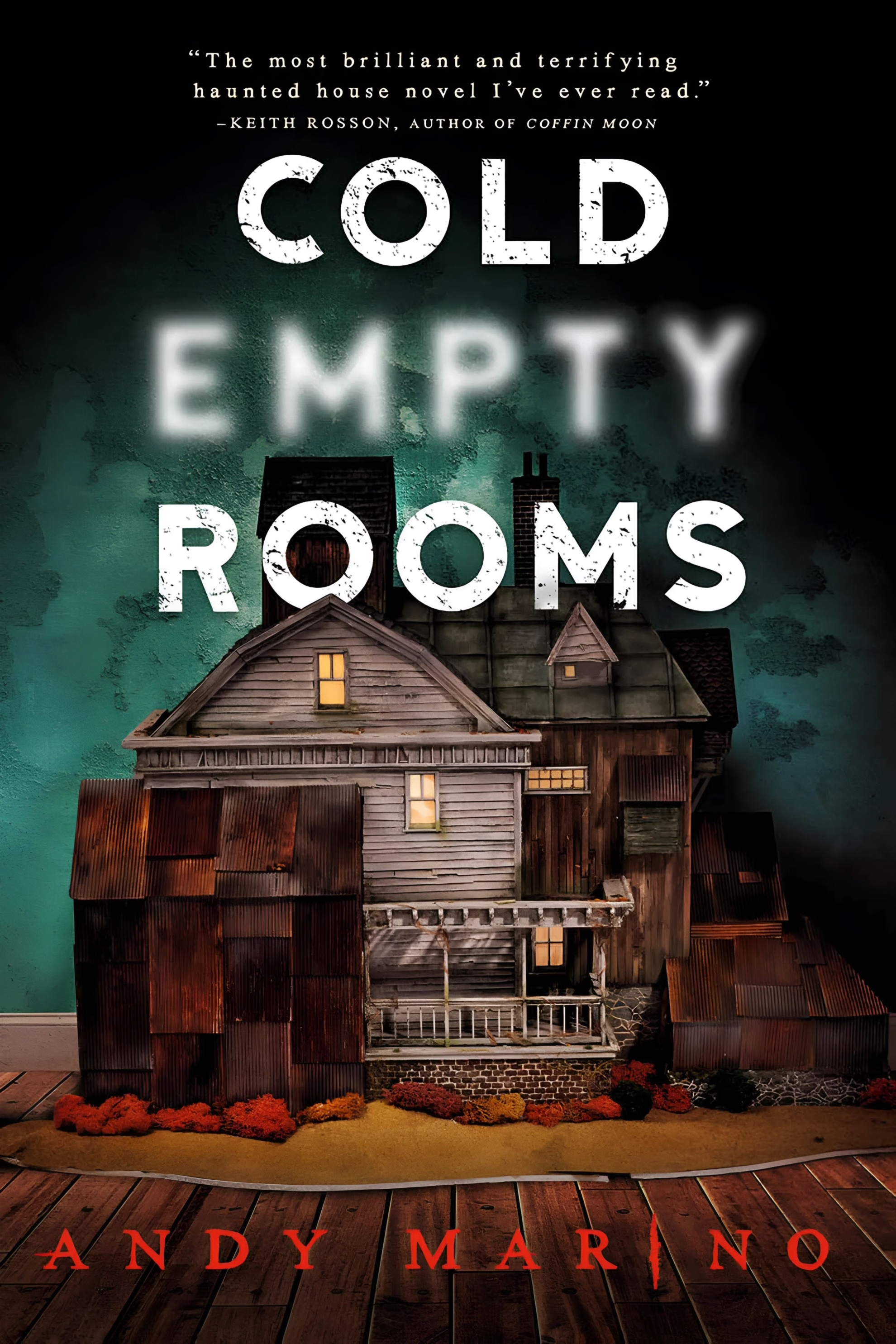
A second synopsis, released with the cover, adds the geography and the mechanism: the manor sits deep in the woods on a mountainside, and only those who truly need it can find it. Outcasts drawn by Soren’s charisma begin to gather, and the text closes on a three-part cadence, “Wounds have been suffered in this place. Wounds that are. Wounds that will be.”
The announced materials locate the horror in an escalating invitation rather than a single intrusion. Each new resident enlarges the household, and with it the number of people exposed to the voice, so the dread is structured as a headcount that rises while the rooms of the title remain cold. The book is forthcoming, and its execution of that structure cannot yet be assessed; the design is nonetheless legible from the confirmed materials.
The House That Takes In
The inherited manor is among the oldest engines in the genre. Edgar Allan Poe’s ‘The Fall of the House of Usher’ (1839) fused a family line to its dwelling, and Richard Matheson’s ‘Hell House’ (1971) turned the haunted mansion into a site that could be occupied and tested by outsiders.
Marino’s manor belongs to that line, but the Latin American tradition offers the sharper comparison, and it cuts against the book rather than with it. Julio Cortázar’s ‘Casa tomada,’ first published in Buenos Aires in 1946 and collected in ‘Bestiario’ in 1951, follows a brother and sister who live in their ancestral house until an unseen presence takes over its rooms one by one; they retreat, then leave, and the narrator throws the key into a sewer drain. The house in Cortázar subtracts: it empties the family out of their own inheritance.
Marino’s house reverses the motion. It does not push its heirs out; it asks for company, and the cold empty rooms of the title are the vacancy it proposes to fill. Juan Rulfo’s ‘Pedro Páramo’ (1955), in which a son travels to Comala to claim a father’s promise and finds a town of the dead, supplies a second precedent for inheritance as a summons.
Both Latin American works treat the dwelling as an authority older than any owner. What Marino adds, on the evidence of the confirmed materials, is a house that behaves like a recruiter, and that shift turns a story about property into a story about a community assembling around a voice.
Jonestown as Reference
That community is what prompts the book’s most pointed comparison. Clay McLeod Chapman, author of ‘Mr. Lonelyhearts,’ describes the novel as a blend of ‘Hell House’ and Peoples Temple, a reference that frames how the recruitment plot is being read. Peoples Temple was founded by Jim Jones in Indianapolis in 1955 and relocated to California before establishing an agricultural settlement, Jonestown, in Guyana.
On November 18th, 1978, after a congressional delegation led by Representative Leo Ryan was attacked at the nearby Port Kaituma airstrip, more than 900 members died at Jonestown, most by drinking a cyanide-laced beverage, among them several hundred children.1
The scholarly record, notably Rebecca Moore’s work, stresses that the community had begun as a multiracial social project that drew in people with nowhere else to go, which is the same pattern of outcasts answering a charismatic invitation that Orbit’s synopsis describes. The comparison concerns that pattern, not a claim that the novel depicts the events in Guyana.
A Career Before the Manor
This is Marino’s first appearance in this publication’s coverage, and his route to the haunted house was indirect. Raised in upstate New York, he spent half his life in New York City and now lives in the Hudson Valley.
His first novels included the young adult science fiction novels ‘Unison Spark’ (Henry Holt, 2011) and ‘Uncrashable Dakota’ (Henry Holt, 2013), followed by ‘The Door’ (Scholastic, 2014), a middle-grade dark fantasy for readers ages eight to 12, and ‘Autonomous’ (Disney Hyperion). ‘The Seven Visitations of Sydney Burgess’ appeared in 2021. Hachette’s author biography now names ‘The Swarm,’ ‘It Rides a Pale Horse,’ and ‘The Seven Visitations of Sydney Burgess.’
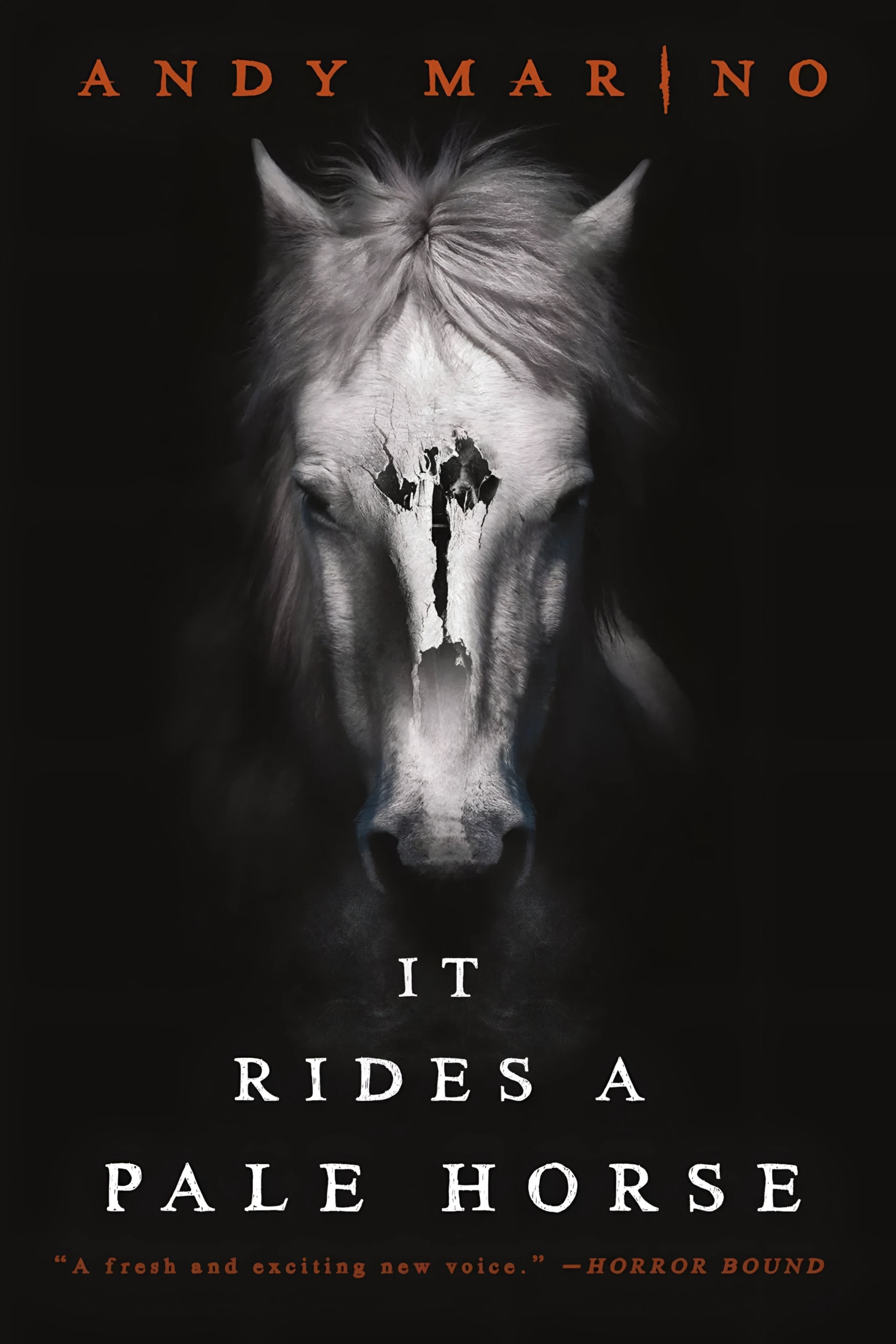
The two novels that precede it carry the transition. ‘It Rides a Pale Horse,’ published October 4th, 2022 at 368 pages, follows Peter “Lark” Larkin, a well-liked figure in the small town of Wofford Falls, who is shown a live feed of his sister Betsy being abducted and told she will be safe only if he follows the instructions in a book he has been given.
The novel makes a text into a command, the same device ‘Cold Empty Rooms’ restages with a voice. ‘The Swarm,’ published November 5th, 2024 at 512 pages, is its direct predecessor: Detective Vicky Paterson takes a strange murder case while her daughter is nearly killed by cicadas emerging off their seventeen-year cycle, and two private investigators search for a girl linked to a cult before the survivors barricade themselves in a motel.
The cult in that novel is a thread in a creature feature; in the new book it becomes the organizing subject, and the infestation gives way to a single house.
A Reversal Worth Watching
Marino’s novel tests a proposition the Latin American house stories only imply: that a dwelling can inherit its heirs as surely as they inherit it. Where Cortázar’s siblings lose room after room until nothing remains to them, Soren gains company, and the cost is carried by everyone the Great Other has persuaded to enter.
If the finished book sustains the design its materials announce, it will place the haunted-inheritance plot beside the cult narrative with unusual directness, and show how the first becomes a delivery system for the second.
Which haunted house in your reading has recruited its occupants rather than driven them out, and what did its author do to make that invitation persuasive?
Reference
- Moore, Rebecca. ‘Understanding Jonestown and Peoples Temple.’ Westport, CT: Praeger, 2009. ↩︎


Leave a Reply