

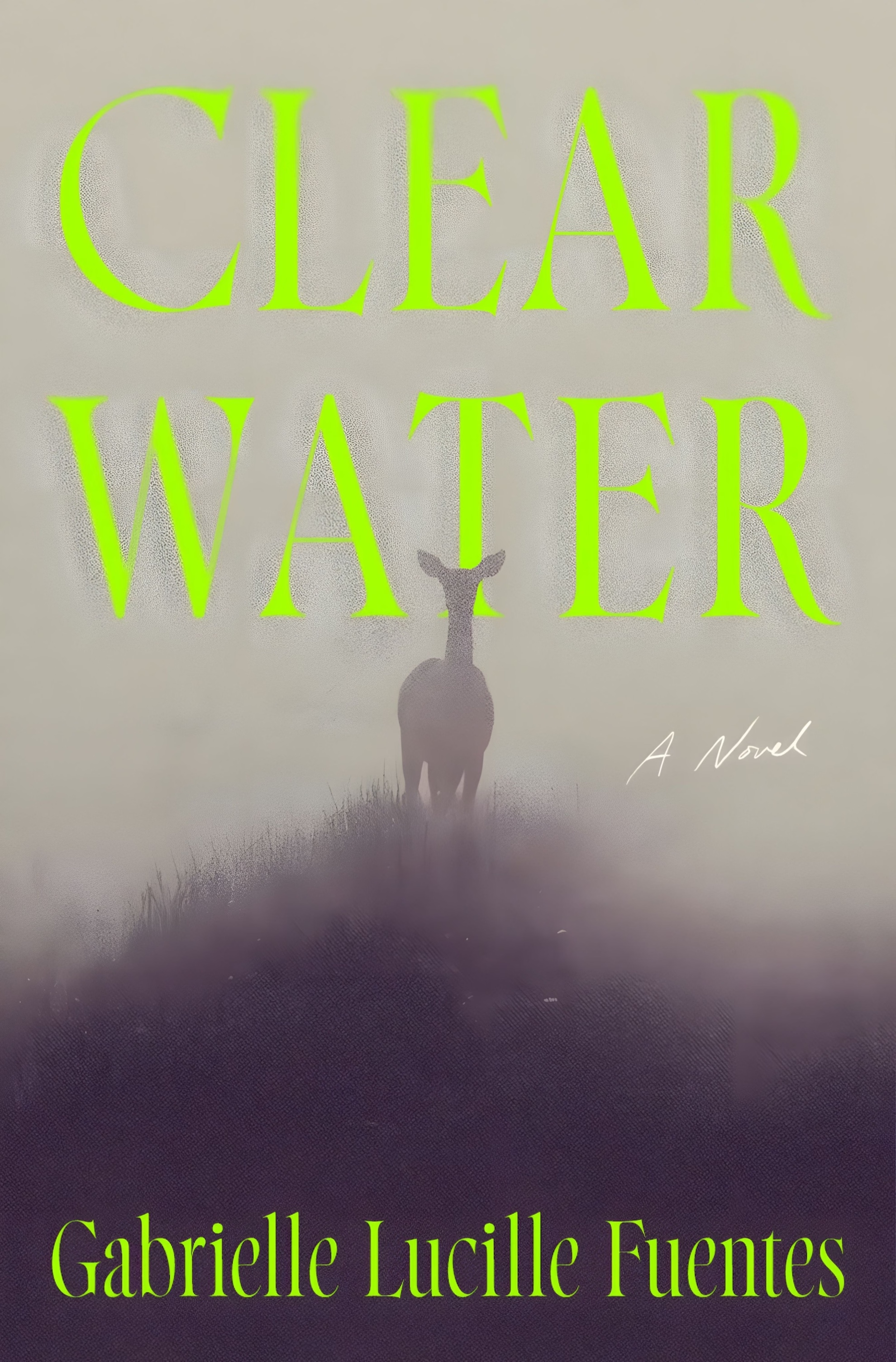
A woman driving home through a Wisconsin night meets a girl in a white dress who seems to have come from nowhere. Afraid the girl is hurt, she takes her to a hospital, where the girl proves unharmed, carries no identification, and does not speak. Then the girl vanishes, and over the following days other people report girls in white in the snow, in the woods, and in the middle of the road, none of whom matches a file among those of the young women who have been disappearing from the town for years.
That sequence opens ‘Clear Water,’ the novel by Gabrielle Lucille Fuentes that Flatiron Books, a Macmillan division, publishes on November 3rd, 2026, as a 288-page hardcover with the ISBN 9781250389770.
The woman is Alma Figueroa, recently furloughed from her work as a paralegal and still finding her footing after a divorce, and the town is Brewer, Wisconsin. The publisher presents the book as an interweaving of mystery, noir, myth, and horror, and retail category listings place it among supernatural thrillers and Hispanic and Latino horror.
Brewer reads the girls first as a threat: word spreads that they are not wholly real and that they mean harm. Alma trusts what she saw instead, and her inquiry runs straight into her own past. Her sister, Kayla, vanished in their high-school years into an addiction that killed her, and Alma swore off Brewer afterward, only to be drawn back; the marriage she began there later gave way under the weight of what the two of them shared.
As the inquiry widens, she comes upon matters the community has long chosen not to look at, matters that may account for Kayla’s death and for the end of the marriage.
The novel unfolds over three timelines: the present-day sightings, Alma’s return to Brewer several years earlier, and the teenage years in which Kayla is pulled into addiction. In chronological order the strands run from an adolescent’s addiction, through a marriage and a return, to the apparitions, so that the supernatural event is the last entry in a ledger of losses the book has already opened.
The girls are checked against the files of the missing and fail to match any of them, which makes the missing-persons file, an ordinary instrument of institutional memory, the test by which the novel measures the supernatural. That is the method of the procedural, and it gives the noir element the publisher names a concrete anchor inside a ghost story.
Wisconsin’s Opioid Years
Brewer is invented, but the loss at the center of the book has a documented history in the state where it is set. The Wisconsin Department of Health Services dates the state’s crisis to the late 1990s and describes it in waves: the first began around 1999, when deaths involving opioids rose after an increase in prescriptions written to treat pain, and the third began in 2014, when deaths involving synthetic opioids such as fentanyl started to climb.
The department’s companion material places the second wave at 2010, when heroin, cheaper and easier to obtain than prescription drugs, drove the increase, and it now counts a fourth wave of polysubstance deaths.
The same state figures show how completely the third wave changed the drug supply. In 2016, synthetic opioids were involved in one of every three fatal opioid overdoses in Wisconsin; by 2021 they were involved in nine of every 10, and that year the state recorded 1,427 opioid overdose deaths, more than in any year in its history.
Kayla’s death from addiction belongs to the kind of loss that count records. What Fuentes adds to the statistics is an afterlife: a town whose young women have been vanishing for years, and an apparition that will not match any file the town keeps.
From Madison to Brewer
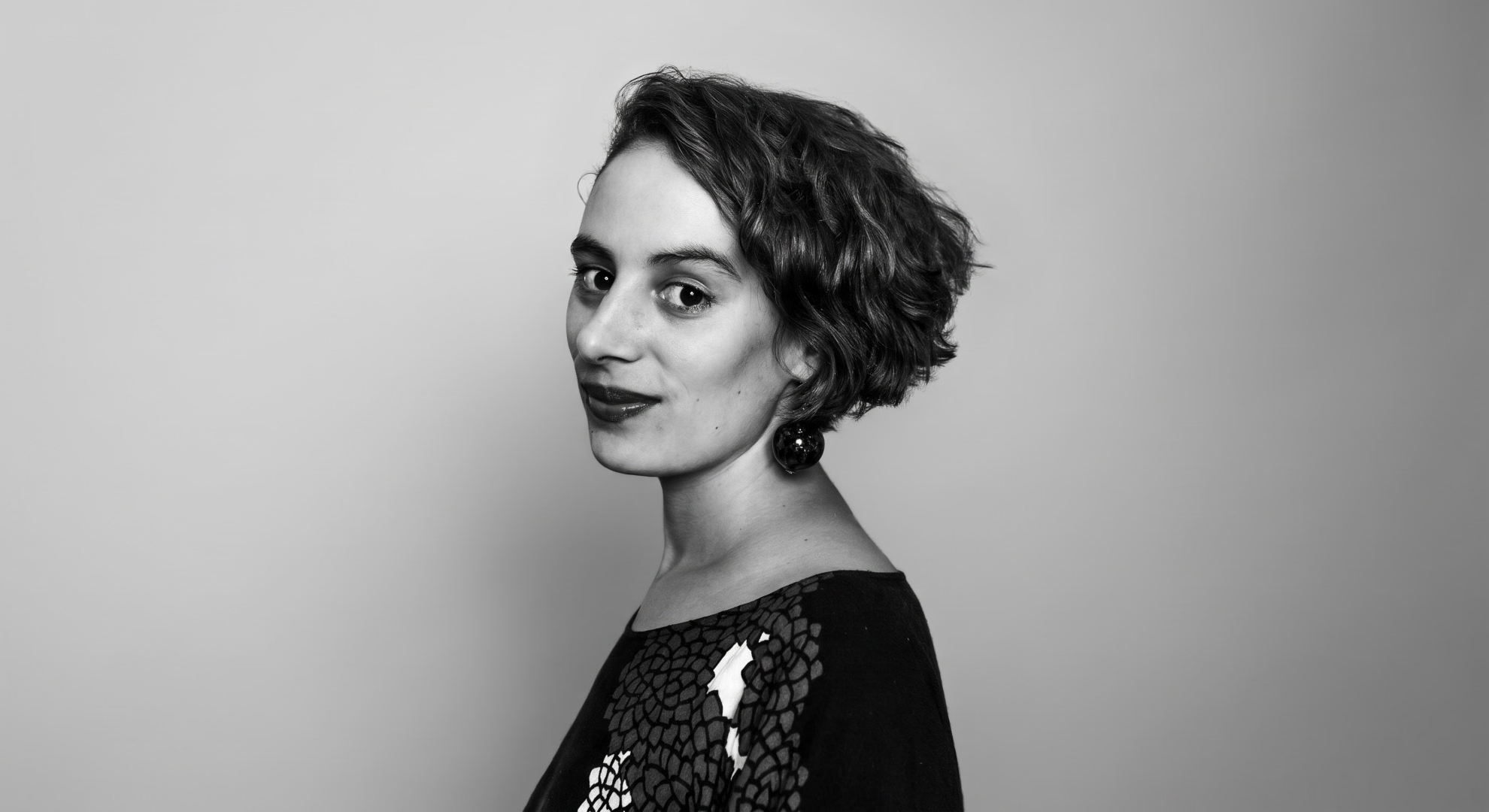
Fuentes grew up in Wisconsin, in a household where, as she said in an interview published June 9th, 2022, storytelling ran through both her mother’s Irish side and her father’s Cuban side.1 She took a bachelor’s degree at Brown University, a master of fine arts at the University of Colorado Boulder, and a doctorate at the University of Georgia, and she is an associate professor of English at the University of Maryland.
Her fellowships include Hedgebrook, Willapa Bay, Yaddo, the Millay Colony, Blue Mountain Center, Lighthouse Works, and Bread Loaf, and her stories have appeared in ‘Strange Horizons,’ ‘New England Review,’ ‘The Georgia Review,’ ‘The Common,’ and ‘One Story.’
Her trajectory sits at the border of literary fiction and the ghost story. Her first two books came from a trade imprint of Simon & Schuster and a nonprofit literary press rather than from a horror list, yet both are books of the dead: a novel of a haunted country and a collection that Peter Conners, publisher of BOA Editions, credited with magic, ghostly presences, and the multigenerational mythologies families build around their lives.
In the same 2022 interview Fuentes said she was at work on a collection of fantasy stories set in a fully imagined world.
Two Earlier Books
‘The Sleeping World’ (Touchstone, Simon & Schuster, September 13th, 2016) was her debut. Set in Spain in 1977, after military rule had ended, it follows a university student, Mosca, whose younger brother is among the disappeared, and whose search for him begins when a violent act sends her and her friends out of their provincial hometown.
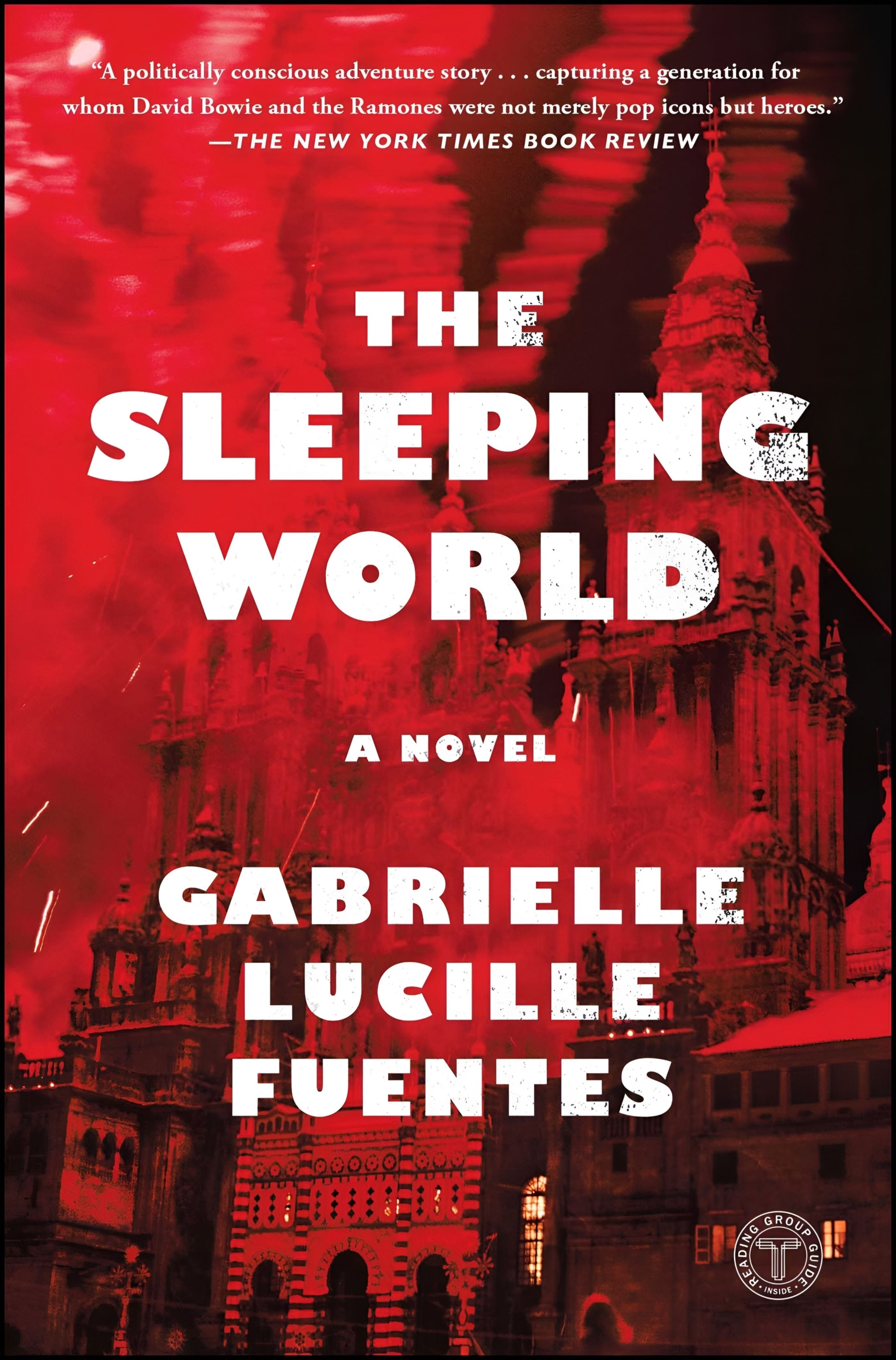
Fuentes lived in Salamanca in 2007, and in an interview published September 12th, 2016, she said her brother had recently died when she began the story that became the novel, and that writing was a way to grieve and to carry him in the living world. She described the book as in a certain sense a ghost story and Spain as “a haunted country.”
A lost sibling and a protagonist who goes looking therefore run from the first novel to the newest, though the missing brother has become a sister lost to addiction.
‘Are We Ever Our Own’ (BOA Editions, May 24th, 2022), the book that immediately precedes ‘Clear Water,’ won the 10th annual BOA Short Fiction Prize. Its 11 stories follow the women of the fictional Armando Castell family from Marfa, Texas, to La Pieza, Cuba, to New York City, almost entirely in women’s voices.
Fuentes has said that many of the stories began in the work of visual and performance artists, among them Ana Mendieta, Adrian Piper, Hannah Wilke, Maya Deren, and the Butoh dancer Kazuo Ohno, whom she researched and then translated into fiction, and that the figure of La Caridad del Cobre, the patron saint of Cuba, runs through the collection as a connecting thread.
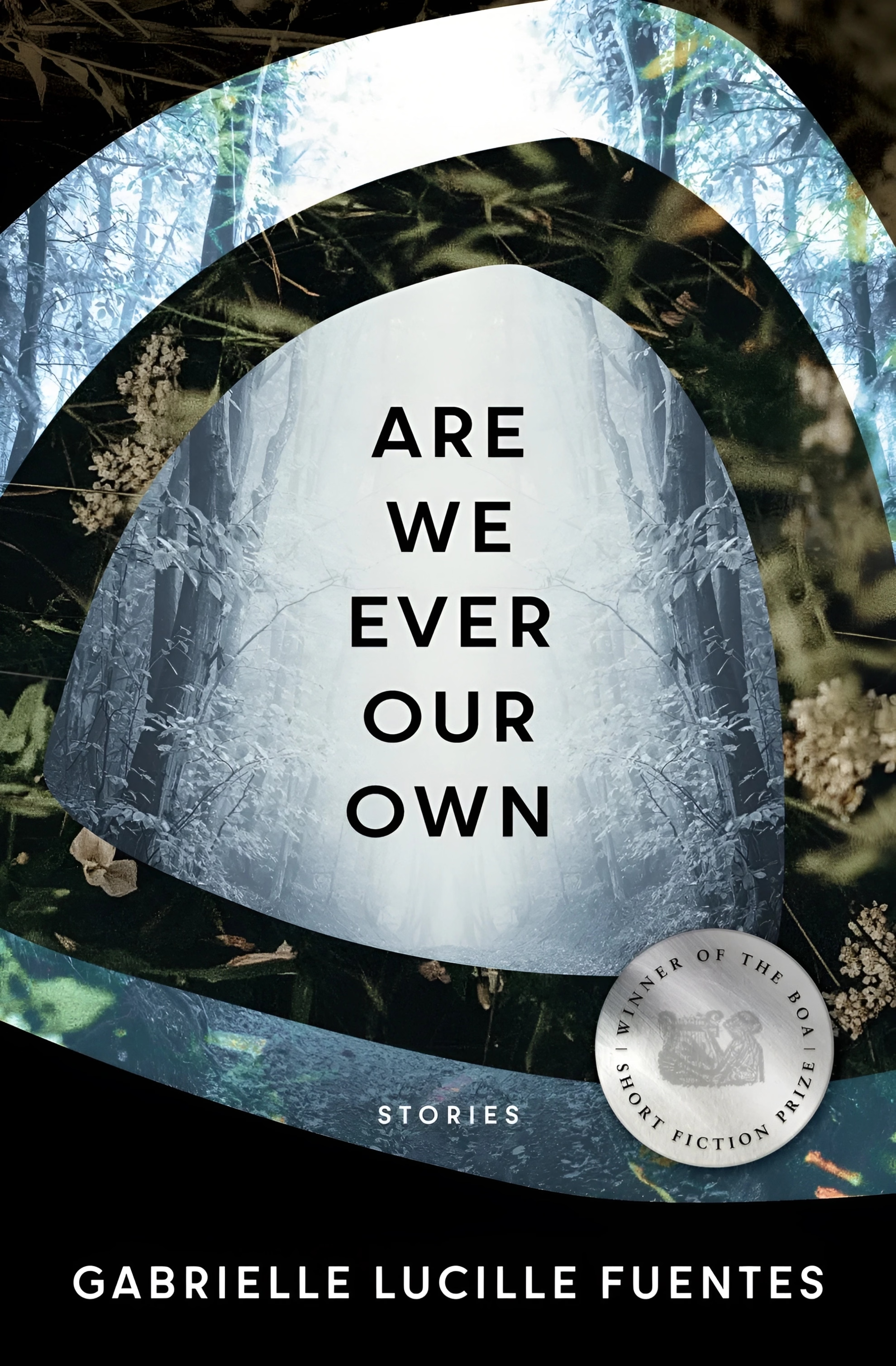
The final story, ‘The Ballad of Tam Lin,’ was written, she said, to gather the collection’s threads while opening its world further. A book of family ghosts and borrowed art gave way, in the next project, to a book in which the ghosts are strangers and the family is the wound.
Ghosts as Messengers
The ghost has a stated lineage in Fuentes’s own account. In the 2022 interview she set the ghosts of both sides of her family apart from spooky ghouls, describing them instead as “travelers or messengers” who can impart knowledge, information, or even a feeling, and she named Toni Morrison as a major influence.
Morrison’s ‘Beloved’ (1987) is the founding American example of that arrangement: a dead child returns to the house of the living as a young woman nobody can account for, and her presence forces the household to reckon with what it has not said.
The Latin American line that the publisher’s own marketing invokes, in naming Samanta Schweblin as a read-alike, is nearer to the book’s ground. Schweblin’s ‘Fever Dream’ (2014, translated by Megan McDowell in 2017) tells of a rural poisoning through the voice of a dying woman, so that a toxic harm done to a community’s bodies is rendered as the uncanny.
Juan Rulfo’s ‘Pedro Páramo’ (1955) supplies the older model: a man goes home to a town and finds that its dead are its true inhabitants. ‘Clear Water’ places both patterns in Wisconsin, a woman’s return to a town with a buried history and a harm done to a community through its young people, in a book by an author who describes herself as Cuban American.
Files That Do Not Match
Morrison, Rulfo, and Schweblin each set the dead, or the dying, against a community’s account of itself, and ‘Clear Water’ gives that argument a procedural form. Its girls in white are tested against a Wisconsin town’s missing-persons files and fail the comparison, which turns the file, an ordinary instrument of institutional memory, into the measure of what the town has and has not accounted for.
For an author whose earlier books kept their ghosts inside historical and family fiction, the novel moves the apparitions to the center of the plot and sets them on ground that Wisconsin’s health officials have documented wave by wave since 1999.
If you have read ‘The Sleeping World’ or ‘Are We Ever Our Own,’ which moments in those books, a haunted Spain or a Castell family spread across two countries, best indicate how Fuentes will treat apparitions that no missing-persons file can explain?
References
- Weiss, Jessica. ‘Gabrielle Lucille Fuentes’ Story Collection Unfurls A Family’s Shadows, Myths.’ College of Arts and Humanities, University of Maryland, June 9th, 2022. ↩︎
Leave a Reply