


Every morning, a girl named Cindy wakes with a strange object in her mouth: a button, a berry, a coin. One night, a starved figure with a mouth the size of a needle-tip appears at her bedside. The two mouths are set against each other from the outset: hers fills overnight with objects she did not choose, and the visitor is the one that goes without. Before the novel names a vampire or a ghost, hunger is already a question of who feeds whom and who is left unfed.
That is the premise of ‘Needlemouth,’ the horror novel by K-Ming Chang that Simon & Schuster publishes on Tuesday, October 20th, 2026, as a 288-page hardcover (ISBN 978-1-6680-8951-4) with companion eBook and unabridged audio editions, the audio read by Katharine Chin, Mirai, and Catherine Ho.
The publisher lists the standalone novel under horror, literary, and women’s fiction, a combination that fits a writer whose earlier books already sent myth through the body.
A Demon With No Descendants
The publisher’s synopsis places three cousins, Cindy, Yangyang, and Mandy, in their grandmother’s house for a hot, tedious summer. Mandy, the eldest, seeks connection online and exchanges emails with a stranger; Yangyang, the youngest, retreats into her own imagination.
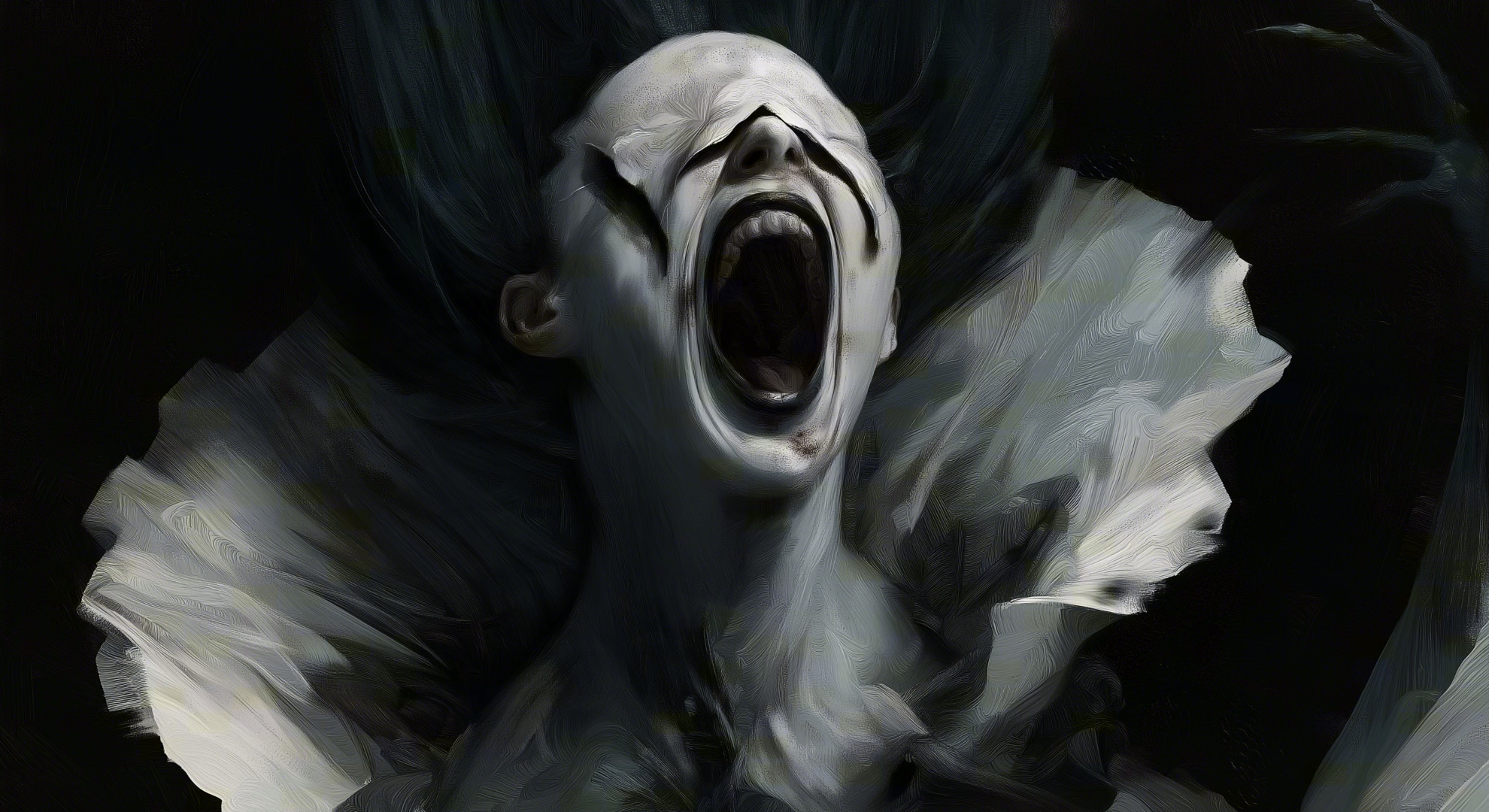
The figure at Cindy’s bedside is hunger-afflicted, a demon with no descendants to feed from, and the synopsis calls her part vampire, part hungry ghost. She forces the girls into a grim task: to end a man’s life.
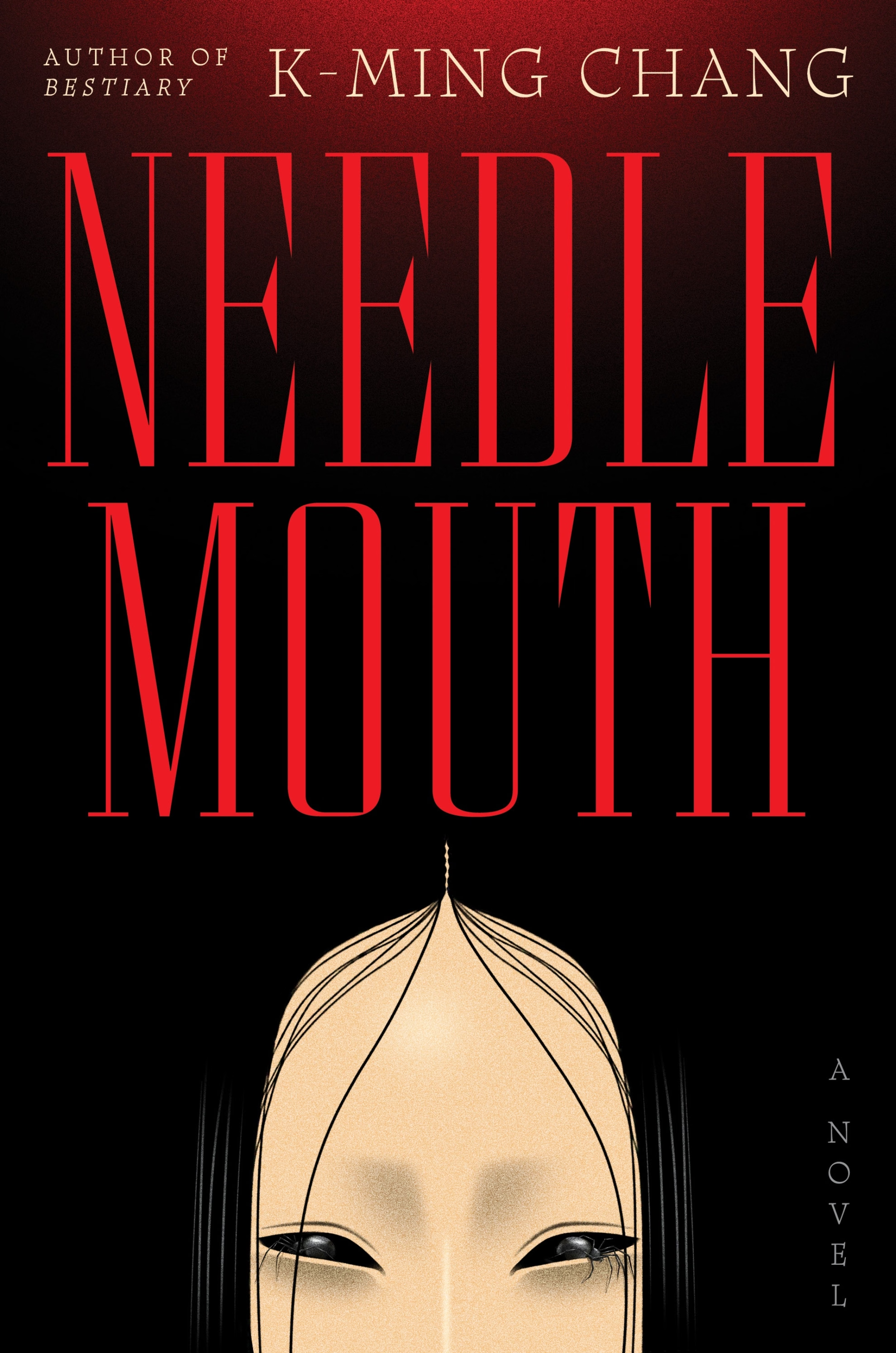
Pulled in and out of a demon realm, the cousins meet the most rageful and resistant parts of themselves while they unravel a shared grief and the cyclical violence that shaped their family.
The publisher frames the book’s central question as what it means to become the monster instead of slaying it, and positions the novel for readers of Akwaeke Emezi and Carmen Maria Machado.
That framing inverts the usual vampire plot, in which the creature is the threat and a hero ends it. Here the creature gives the orders, and the cousins are the ones asked to kill.
A House of Aunts
The excerpt the publisher has released, the first chapter, narrated in the first person by Cindy, shows how the book proceeds before any demon speaks. Children play House in a yard that holds a tilted kumquat tree and yellowed weeds while their aunts work at the factory. Mandy assigns the roles of Father, Mother, Son, Daughter, and Pet, and Cindy is always the Pet; the game’s rules hold that the husband eats first and that an animal cannot refuse.
Two formal choices carry the argument before the supernatural intrudes. At night the aunts, Cold-Blooded Ayi and Aunt Elizabeth, pour their complaints about each other and about their daughters into Cindy in single unbroken sentences, confiding in a girl who notes that she is not their daughter. And the soap operas the household watches kill off their characters each season so that the actors can return as their own descendants, which prompts Cindy to ask what the point of having a daughter is if she is fed to the same life.
Chang has named the all-consuming nature of the patriline as one of the book’s concerns, and the excerpt stages that concern through games, television, and bedside confession.
When horror enters the excerpt, it enters through the mouth. A needle hatches from Cindy’s mouth and later skewers Yangyang’s palm in the yard; a bird flies out of Cindy’s throat when she wakes; a length of cloth unspools from her without end, the restraints Mandy tied around her wrists, in a sequence where the body gives back everything it was made to swallow.
Cindy, who cannot remember the house her cousins say is hers, concludes that some people are “made of mud, not blood.” The blood-and-lineage vocabulary of the vampire tradition thus falls from the mouth of the one girl the family treats as an animal.
Needles, Ghosts, and Lineage
In an interview published May 14th, 2026, Chang described how the hybrid came together. She is a lifelong lover of vampires who jokingly calls herself a “vampire ethnographer,” and she had long told herself she had nothing new to say about them.
The Western vampire, she observed, is bound to Christian ideas of good and evil, while the story she wanted to tell, about the claustrophobia of abuse and the devastating reach of the patriline, called for a creature both old and new. She fused the vampire with the hungry ghost, specifically a hunger-afflicted demon whose mouth has shrunk to the width of a needle.
Those needle-mouthed ghosts, in her account, are starving ancestors forgotten by their descendants, and she asked what it means to be a demon because you are severed from the patriline, or refuse to produce it. The title is therefore a description of the ghost’s body: a mouth too narrow to be fed.
The tradition she draws on is documented. In medieval China, the Ghost Festival of the seventh lunar month gathered laypeople to present offerings to Buddhist monks in order to gain salvation for their ancestors, a rite that joined the Indian Buddhist idea of the hungry dead to Chinese forms of family life, and Stephen Teiser’s study of it treats the hungry ghost within that web of obligation between descendants and the dead.1
Chang’s demon is that obligation with its direction reversed: a ghost with no descendants to supply the offering, whose hunger, according to the synopsis, the cousins must find a way to satisfy.
The figure also has a precedent in Asian American writing, one that Chang’s own endorsers have named. The novelist Jennifer Tseng, writing about ‘Bestiary’ in 2020, called Chang “a worthy heir to Maxine Hong Kingston, Lois-Ann Yamanaka, and Jamaica Kincaid.”
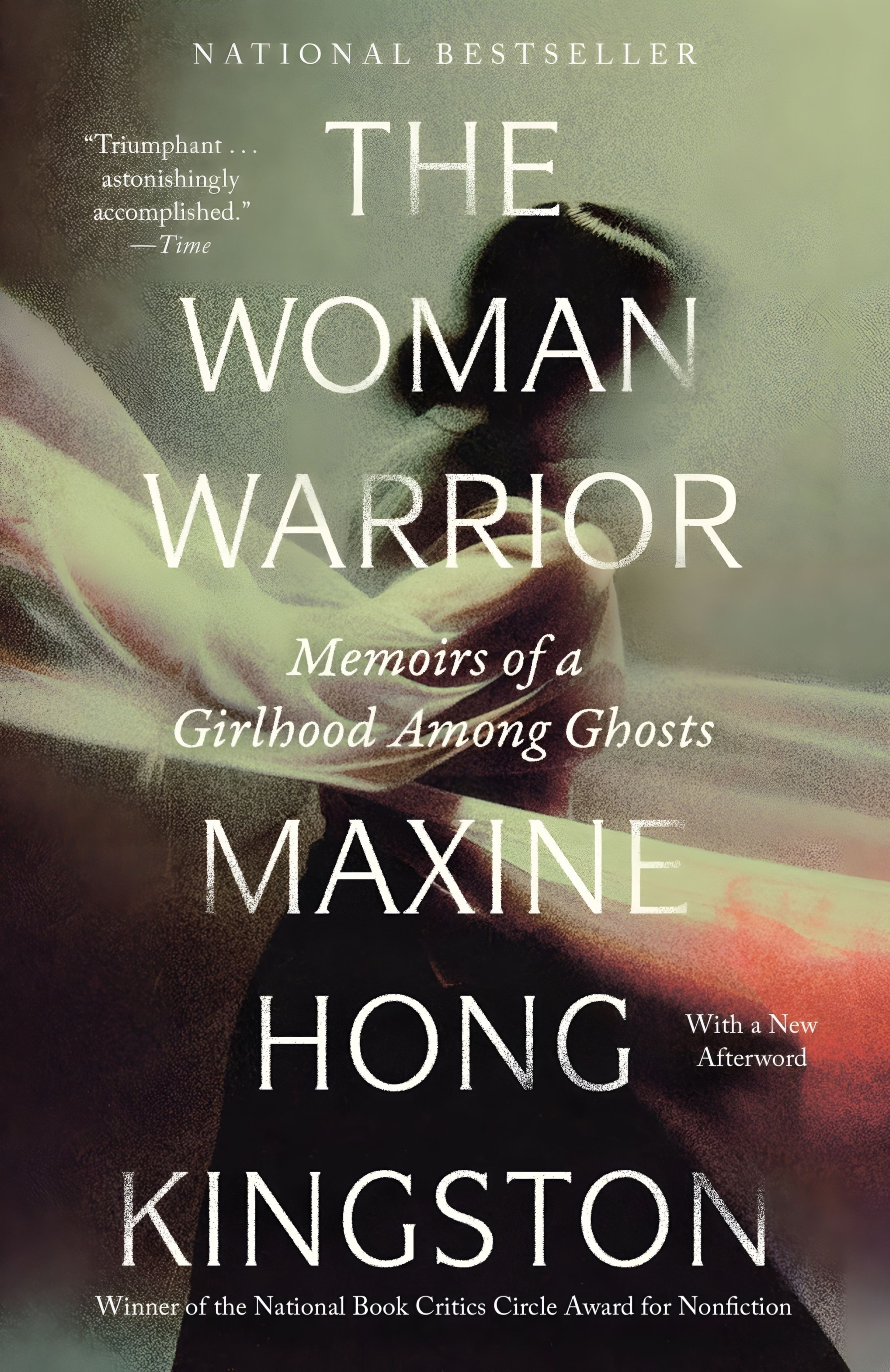
The first chapter of Kingston’s ‘The Woman Warrior’ (1976), ‘No Name Woman,’ closes on a hungry ghost of exactly this kind: an aunt whom her family deliberately forgets, imagined as forever hungry because no descendants make offerings to her, left to beg food from other ghosts.2
Kingston writes the forgotten woman as a figure of grief and accusation. Chang, by her own account, writes the forgotten ancestor as a figure of rage and agency, and gives her the vampire’s appetite. The step from a ghost who begs to a demon who commands is the departure ‘Needlemouth’ proposes.
Cousins and Diagonal Kin
Chang says she had wanted to write a book about cousins for years. She read that the English word descends from a Latin term meaning a mother’s sister’s child, a detail that struck her because language is so often arranged around paternal lines, and she pictured aunts linked like the chain of a bracelet, their daughters dangling from them, related to one another at a slant.
Cindy’s narration in the excerpt uses the same picture of herself, hanging from her aunts diagonally, a useless appendage. Chang found something undefined in the cousin relation that she wanted to write into, and she has said there could be an alternate version of the book devoted entirely to the aunts.
From Bestiary to Cecilia
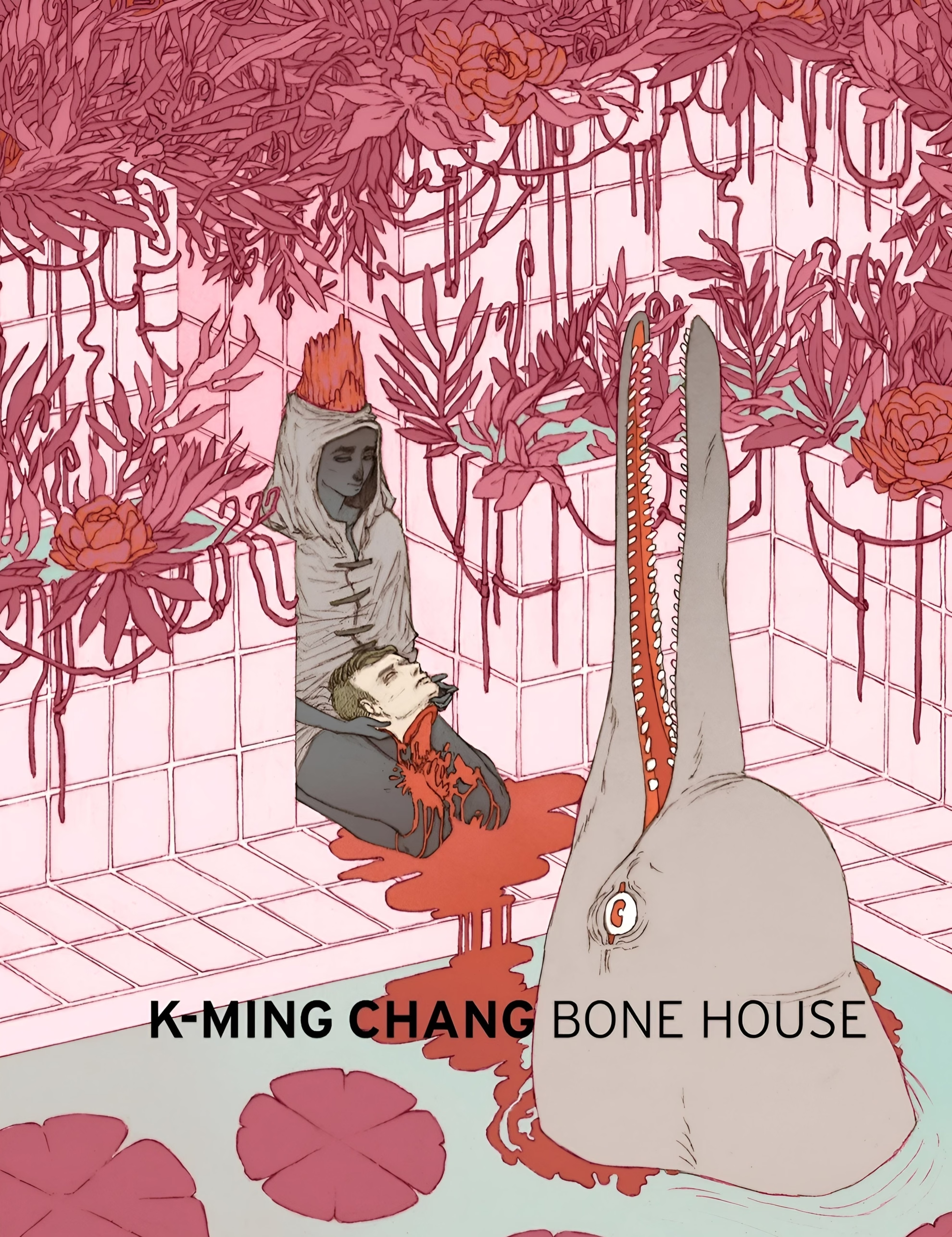
Chang is a Lambda Literary Award winner, an O. Henry Prize winner, a National Book Foundation 5 Under 35 honoree, and a Kundiman fellow, and her books have been translated into Spanish, Chinese, Korean, German, Turkish, and other languages. Her earlier titles came from One World/Random House, Coffee House Press, and Bull City Press, which issued her 2021 chapbook ‘Bone House’; ‘Needlemouth’ is her first book from Simon & Schuster.
‘Bestiary’ (One World/Random House, 2020) opens with a mother telling her daughter about Hu Gu Po, a tiger spirit in a woman’s body who hungered to eat children, especially their toes, after which the daughter wakes with a tail.
The novel follows three generations of Taiwanese American women through the myths each embodies, and it was longlisted for the Center for Fiction First Novel Prize, the PEN/Faulkner Award, and the VCU Cabell First Novelist Award, and named a Lambda Literary Award finalist.
‘Gods of Want’ (One World, July 12th, 2022) gathered stories of aunts, ghost-cousins, and widows, and it won a Lambda Literary Award. ‘Organ Meats’ (One World, October 24th, 2023) bound two girls by red string and canine heritage and sent one of them to gather organs from the mythical country of their childhood to rebuild her rotting friend.
The novella ‘Cecilia’ (Coffee House Press, May 21st, 2024), Chang’s immediately preceding adult book, belongs to that press’s NVLA series.
Seven, a cleaner at a chiropractor’s office, meets Cecilia, a woman who has obsessed her since their school days; on a shared bus ride, past and present bleed together and desire begins to unmoor Seven from the flow of time. Chang has said the novella grew from a short story of the same title and that Coffee House solicited her for the series.
The pattern across these books is hunger that is literal before it is figurative: Hu Gu Po eats children, Rainie harvests organs, Seven’s desire dissolves the clock. ‘Needlemouth’ gives that appetite a mouth and a name.
It also adds a deadline. Where ‘Cecilia’ drifts through memory on a single bus ride, Chang joked in her May 14th interview that she has never written more plot, and described the new book as a departure in voice, style, and genre. In an interview following her 2025 scholarship residency at the Banff Centre, she called ‘Needlemouth’ her first foray into the horror genre, noting that she had written horror before and that the book speaks directly with works of horror she loves.
A Pact in the Cauca Valley
A reader in Colombia will recognize a neighboring figure in this hunger. The pact with the devil, “el pacto con el diablo,” has a documented history in the southern Cauca Valley, where the anthropologist Michael Taussig studied a belief held among the black peasants and laborers of Puerto Tejada: that male workers on the sugar-cane plantations sometimes made secret contracts with the devil to raise their output and their wages.3
The money such a contract produced was said to be barren, spendable only on luxuries rather than invested in land, and the worker was believed to die young and in pain. Taussig traces the region’s history from slave religion through the rise of a free peasantry to plantation wage labor, and reads the devil stories not as survivals of a pre-rational past but as the workers’ own account of what that history had done to them.
The comparison with Chang is structural, not genealogical. Her own account of the demon runs through Chinese Buddhist ghost lore and the Western vampire, not through Colombia, and Taussig’s devil bargains with a worker who seeks gain while Needlemouth, in the synopsis, forces the cousins to act for her. Yet the two stories share a logic of broken reproduction.
In the Cauca Valley the devil’s money is barren; in ‘Needlemouth’ the demon is a being with no descendants, cut off from the line that would feed her. Each tradition explains harm by pointing to a failure of continuity, and each treats the resulting hunger as something that spreads to the living.
A Ghost Who Gives Orders
The tradition Chang draws on tells the living how to treat the hungry dead: feed them, name them, keep their place in the line.
‘Needlemouth’ is about what follows when that instruction fails and the neglected ancestor answers with a demand. The question it poses is the creature’s rather than the hunter’s, and it poses it from inside a house of aunts and cousins, where the supernatural is a family matter before it is anything else.
That shift, from the person who slays the monster to the girls asked to serve her, assigns the vampire a different kind of lineage: a patriline that has refused her, an offering that was never made, and a kitchen table where the debt is finally spoken.
If you have followed K-Ming Chang’s earlier work, which of her hungry figures, Hu Gu Po in ‘Bestiary,’ the dog-headed women of ‘Organ Meats,’ or Seven’s obsession in ‘Cecilia,’ best prepared you for a demon who gives orders, and what in that earlier book set the expectation?
References
- Stephen F. Teiser, ‘The Ghost Festival in Medieval China’ (Princeton: Princeton University Press, 1988). ↩︎
- Maxine Hong Kingston, ‘The Woman Warrior: Memoirs of a Girlhood Among Ghosts’ (New York: Alfred A. Knopf, 1976), 3–16. ↩︎
- Michael Taussig, ‘The Devil and Commodity Fetishism in South America’ (Chapel Hill: University of North Carolina Press, 1980; 30th anniversary edition, 2010), 13–38. ↩︎


Leave a Reply