


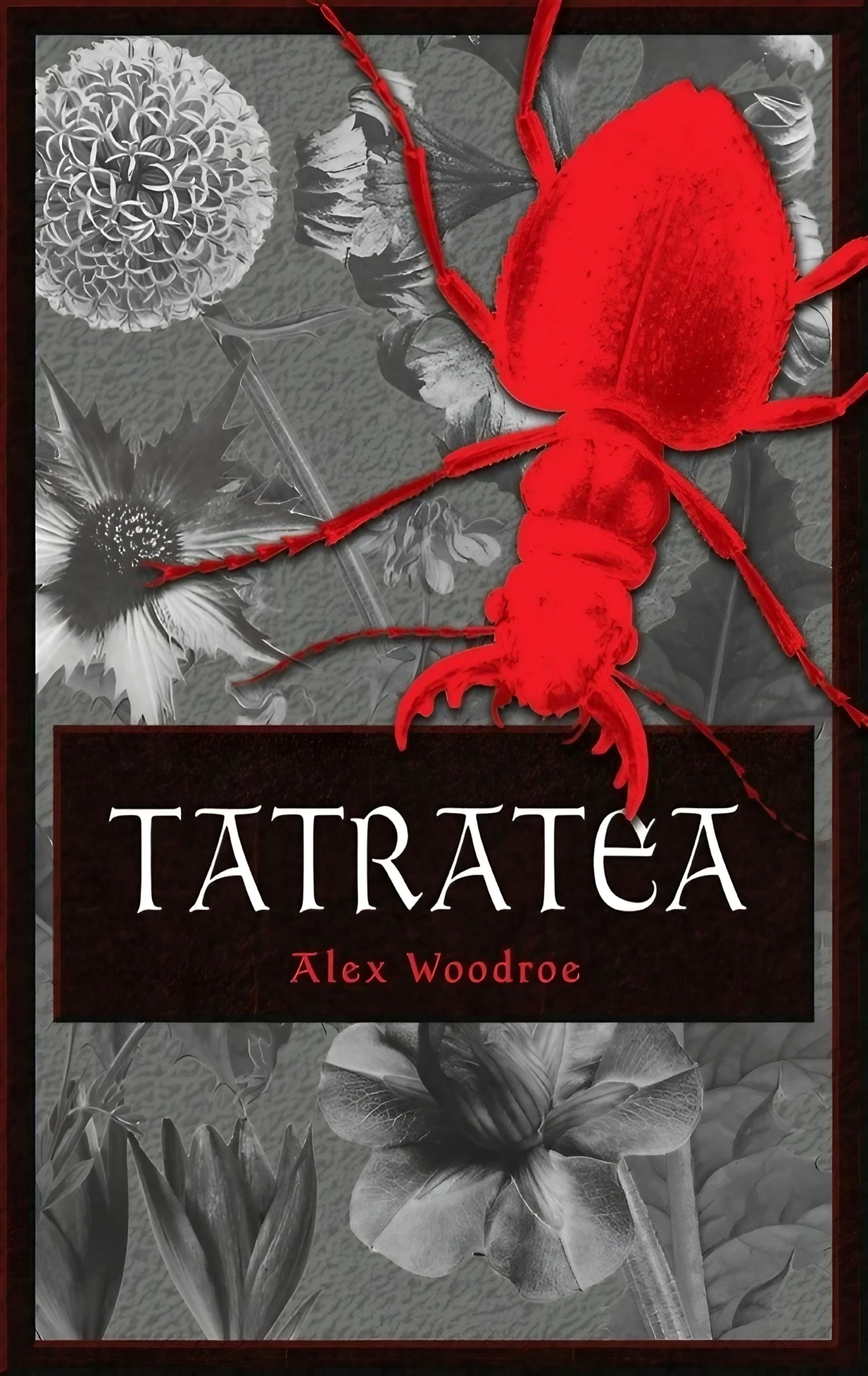
A researcher carries a voice recorder, a set of sanity check protocols, and a little camping gear through the doors of a manor that has stood in isolation for decades. The doors lock shut behind her, and the plants outside have no intention of letting her leave.
Clash Books publishes ‘Tatratea’ by Alex Woodroe on October 20th, 2026, as a 164-page paperback, ISBN 978-1-968043-36-0, listed by the publisher under horror, post-apocalyptic fiction, literary fiction, and mystery.
The novella follows Errata, a researcher sent to a manor home reclaimed by nature deep in the Romanian wilderness to track strange signals coming from inside and to find out why the whole world has gone insane. Her task also requires working out what has crashed in the hedge maze and why it is disrupting reality.
A Manor Taken by Green
Woodroe describes ‘Tatratea’ as a cosmic, gothic, botanical post-apocalyptic investigative novella set in an abandoned manor and its gardens, and she calls it the tightest and weirdest piece she has written. She adds that readers who have finished it consistently call it the bleakest, most nihilistic thing they have read, while she finds it funny and uplifting.
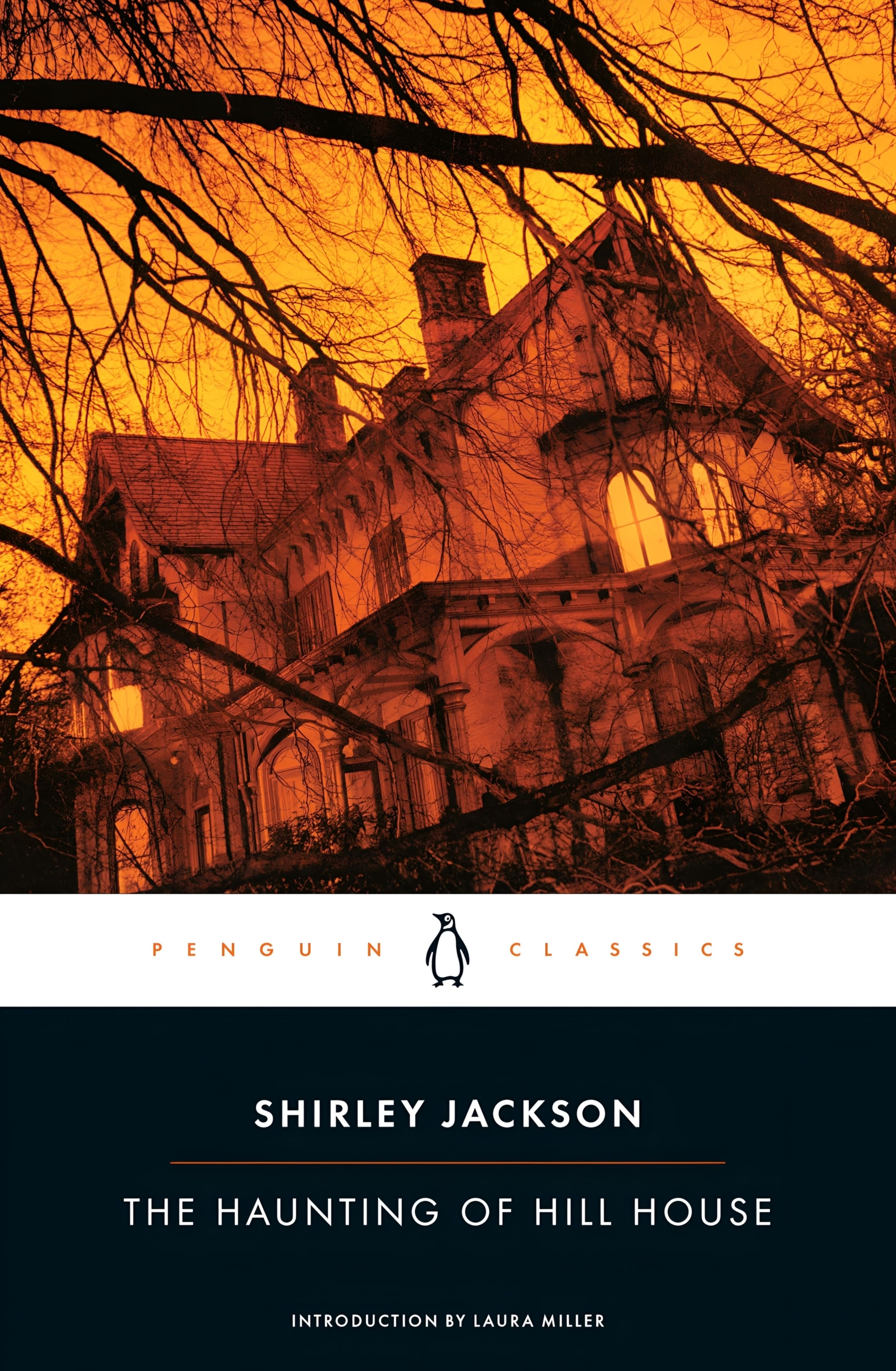
The Gothic house has long served as a container for inherited guilt, from Poe’s ‘The Fall of the House of Usher’ (1839) to Shirley Jackson’s ‘The Haunting of Hill House’ (1959), and Jackson is among the writers Woodroe names as formative.
The publisher’s copy for ‘Tatratea’ places its danger elsewhere: in hyperactive flora, in a hedge maze, and in whatever came down inside it. The confirmed materials name no haunted family and no dynastic sin, so the novella appears to relocate the house’s menace from inheritance to growth. That reading rests on the publisher’s description alone, and the finished text will show how far it holds.
The title is the manor’s own name. No published account from the author of where the word comes from had been located at the time of publication.
Errata’s Recorded Mission
The kit the publisher lists for Errata, sanity check protocols and a voice recorder, makes self-verification part of the investigation: before she can report on the manor, she must keep confirming that she is still a reliable witness.
Two authors who have read the novella describe the effect in those terms. Michael Tichy, author of ‘The Winnowing Draw,’ calls it ‘The Southern Reach’ but “more despairing” and singles out the horror of being unable to trust one’s own mind, and Michael Kelly, editor of Weird Horror Magazine, calls it “claustrophobic and contagious.”
With the novella not yet in readers’ hands, its prose register and pacing cannot be assessed beyond what the author and publisher have confirmed. Those confirmations establish a single location, a single investigator, and a compressed form, following two novels published by Flame Tree Press.
Woodroe Before Tatratea
Woodroe is a Romanian writer of dark speculative fiction who lives in the Transylvanian region, and her short fiction has appeared in Nightmare Magazine and on the NoSleep podcast. Her reading history, as she tells it, was assembled from library books she was too young to borrow, often the third volume of a series with no access to the first two.
The shelf ran from the Weird of Miéville, Hodgson, and Lumley through the fantasy of Zelazny, the literary Jackson, the fringe Barker, and Yarbro, with gothic ghost stories by authors lost to time alongside them. The film ‘Pontypool’ and the survival videogames she plays complete a list of influences that has little regard for the boundary between literary and pulp.
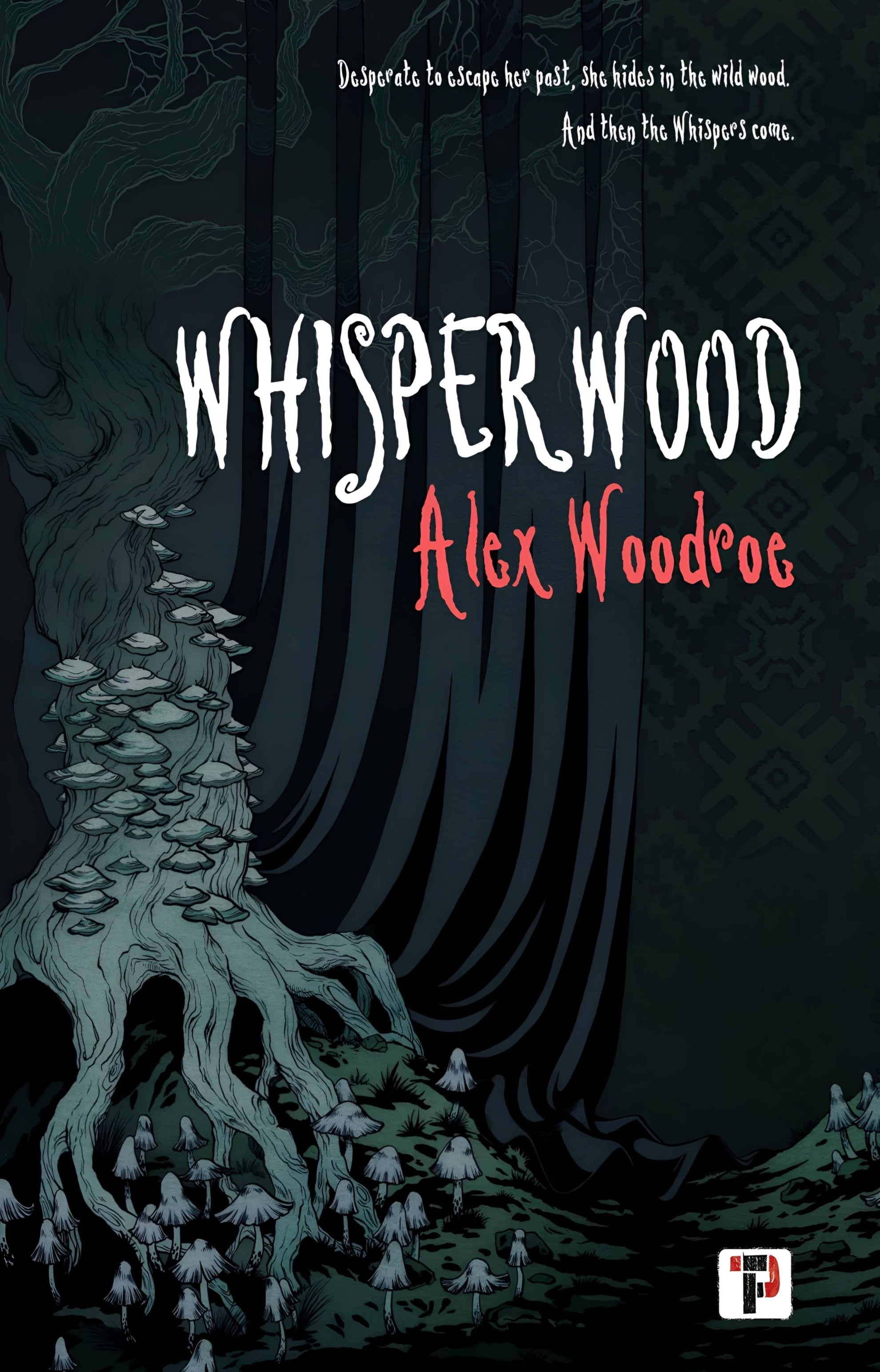
Her debut novel, ‘Whisperwood’ (Flame Tree Press, 2023), sends a nomad named Anna to a town that appears on no map and that nobody leaves. Anna has gone there to hide from a violent witch-hunting ex, and she finds herself prevented from departing by folk magic she does not understand.
A Truck Adrift in Darkness
‘The Night Ship’ (Flame Tree Press, January 20th, 2026), her second novel, is the book that comes immediately before ‘Tatratea.’
The publisher describes the smuggler Rosi and her crew driving a logging truck through the Romanian mountains when a radio signal hints at impending doom and the world goes completely dark, turning the truck into a vessel on a sea of nothingness. Transmissions come in from isolated survivors across the country, and something hungry below begins sending up agents and transmissions of its own.
Woodroe sets the novel in Communist Romania in the late nineteen eighties. She says the apocalypse is invented but that what her characters carry from life under dictatorship comes from her own family’s stories, and she names Hodgson’s ‘The Boats of the Glen Carrig’ among the influences on its mood.
Read as a sequence, her three books narrow the stage. ‘Whisperwood’ confines Anna to a town, ‘The Night Ship’ confines its crew to a truck, and ‘Tatratea’ confines one investigator to a house and its garden. She has said she is drawn to restricted settings and large what-if premises, and in each book the reader learns the rules of the closed place from the inside, through information that cannot be fully trusted: a town’s folk magic, a radio signal, a recorded voice.
Tenebrous and the New Weird
Woodroe is also editor-in-chief of Tenebrous Press, the Portland-based press founded by Matt Blairstone. Its first book, ‘Green Inferno,’ gathered comics and short fiction around what Blairstone called terrestrial horror, the Earth punishing humanity for poor stewardship, a premise that sits close to the eco-horror billing of ‘Tatratea.’
The press has received five Shirley Jackson Award nominations across three books, and Woodroe is credited as a Shirley Jackson Award-nominated editor in her publisher biographies.
In her own account she coined the label the press now uses, New Weird Horror, when it came time to choose a direction beyond simply publishing horror. The term borrows from an older one. M. John Harrison is credited with coining “New Weird” in 2002, in an introduction to China Miéville’s novella ‘The Tain.’
A 2003 message-board thread started by Harrison and a guest editorial by Miéville in the summer 2003 issue of The Third Alternative spread it, and Ann and Jeff VanderMeer’s 2008 anthology ‘The New Weird’ documented the moment, defining the mode as urban, secondary-world fiction that subverts romanticized ideas of place by starting from realistic models and mixing science fiction and fantasy.
Woodroe rejects the time stamp. Her position is that the old categories are not finished movements, summed up in her remark that “Lovecraft is dead, China is gone,” so newness has to keep happening. ‘Tatratea’ carries a different publisher’s name, but her own description of it as cosmic, botanical, and thoroughly weird belongs to the same vocabulary.
A Botanical Gothic Lineage
The hostile garden has a documented line of descent. Algernon Blackwood’s ‘The Willows’ (1907) turned a river island’s vegetation into a threshold for something outside nature, and Hodgson’s ‘The Boats of the Glen Carrig’ (1907) set castaways among weed and trees that behave like predators.
John Wyndham’s ‘The Day of the Triffids’ (1951) made mobile plants the agents of a collapsed civilization, and Jeff VanderMeer’s ‘Annihilation’ (2014) sent a team of researchers into a zone whose ecology resists reading. Tichy’s Southern Reach comparison places ‘Tatratea’ in that last company, and the confirmed premise, a lone researcher entering a place where the vegetation has its own agenda, shares its basic shape.
A Jungle Novel’s Echo
A second lineage runs through Latin America and bears directly on Colombian readers. José Eustasio Rivera’s ‘La vorágine’ (1924), published in Bogotá and counted by many critics as the strongest of the South American jungle novels, is a denunciation of the exploitation of rubber gatherers in the upper Amazon, written after Rivera traveled the region as a member of a boundary commission.
Its protagonist, the poet Arturo Cova, flees Bogotá for the plains and then the forest, and the closing sentence is “¡Y los devoró la selva!” Danion L. Doman’s ecocritical study argues that critics long attended to Rivera’s subjective descriptions of the jungle and overlooked the real organisms those descriptions represent, and it reads the novel’s chaos against the actual ecology and human history of the Amazon Basin.
The comparison is specific. Both books treat vegetation as a documented ecology and as an antagonist that closes around a person who has gone in to look. The difference is as instructive: Rivera’s green trap carries an indictment of what the rubber boom did to the people forced to work it, while the confirmed materials for ‘Tatratea’ describe no social grievance behind the garden’s hostility, only a crash and a world that has lost its reason.
A Garden With Its Own Aims
‘Tatratea’ is a short book with a narrow stage: one investigator, one house, one garden, and a threat the confirmed materials place in vegetation and in something that has crashed, not in any family’s past. Its premise already places a Romanian author inside a line of botanical weird fiction that runs from Blackwood and Hodgson to VanderMeer and, by way of Rivera’s jungle, to Colombia, and it does so from inside a region whose abandoned great houses are a documented fact.
The prose and the ending are not yet public, and they will decide how the novella is judged. What the record already shows is a Gothic house story reorganized around an investigator and a garden, written by an editor who has spent years defining what the New Weird should be.
Plants, gardens, and forests have served as the investigator’s adversary from Blackwood’s willows to VanderMeer’s Area X, and Rivera’s jungle gave Latin America its own version of the pattern. Which novels or stories in that line do you think deserve this publication’s attention, and what makes their vegetation more than scenery?
Leave a Reply