

On August 5th, 1936, a column of armed volunteers rode out of Seville toward the hills to the north. Its commander was Ramón de Carranza, the naval officer whom General Gonzalo Queipo de Llano had installed as the city’s mayor after the July coup, and it moved through the Sierra Norte village by village, leaving behind it dead whose names Andalusian archives are still recovering.
That column, and the women left standing in its wake, sit at the center of a new Spanish novel that answers the violence of the war’s first year not with testimony but with a coven.
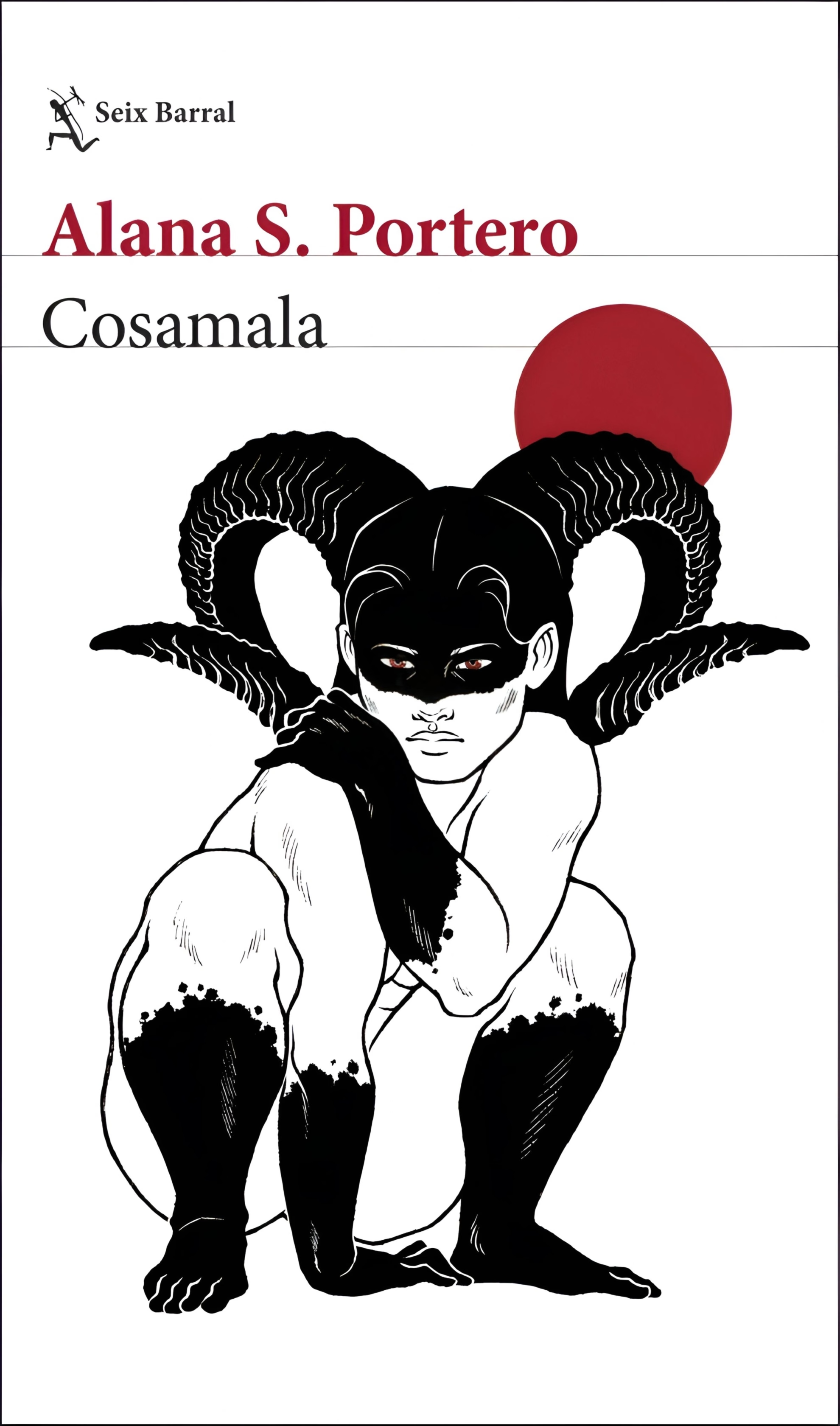
‘Cosamala,’ the second novel by the Madrid writer Alana S. Portero, is published by Seix Barral, an imprint of Grupo Planeta, on October 14th, 2026, in its Biblioteca Breve collection: a 272-page paperback with flaps, ISBN 978-84-322-5143-6, with a simultaneous ebook edition. Seix Barral presents it as a gothic, Southern, Lorquian, and antifascist novel that turns a real crime of the Spanish Civil War into a story of witches.
Set in Andalusia in 1937, it follows a group of wives, mothers, and neighbors of men who fled or were hunted, women who are initiated into what the synopsis calls “the dark language” and form a coven to heal the ground, fight in the war, and return life to a barren country with the help of its dead and its ghosts.
They are led by a woman named Trinidad, called la camacha. The publisher catalogs the book under horror as well as historical fiction, and its stated materials — folk magic, a coven, the returning dead — place it inside the dark genre on its own terms. No English-language edition had been confirmed at the time of publication.
The Column in the Sierra
The column the synopsis names is documented history. When Queipo de Llano seized Seville on July 18th, 1936, he appointed Ramón de Carranza Gómez — a naval officer, landowner, and monarchist — to run the city’s municipal government, and Carranza alternated that office with command of a volunteer force that raided outward from the capital into the Aljarafe, the province of Huelva, and the northern sierra. Seix Barral’s roll call of its members, horsemen, bullfighters, Falangists, landowners, and Civil Guards, describes the irregular cavalry of the Sevillian right with precision rather than invention.
The provincial memory record dates the sierra campaign exactly. The column left Seville toward El Pedroso on August 5th, 1936, and took Cazalla de la Sierra on August 12th, while a second column under Major Francisco Buiza occupied Constantina; the same record places the bloodiest phase of the repression across the province between July 1936 and March 1937. Constantina alone counts some 990 documented victims of the reprisals that followed its occupation, 63 of them identified women.
Paul Preston has reconstructed Queipo de Llano’s southern campaign as a deliberate strategy of exemplary terror, in which the arrival of each column was followed by the killing of union members, Republican officials, and their families, and in which women were punished with head-shaving, forced purges with castor oil, rape, and execution as a means of humiliating the communities they belonged to.1
Portero has said that her novel depicts precisely this violence against women as a mechanism of punishment and discipline directed at the whole population.
One detail sits uneasily with that record. Seix Barral places the column’s advance through the sierra in 1937, while its documented campaign belongs to August 1936. The novel’s year may mark the aftermath rather than the invasion — the long season in which the “huidos,” the men who escaped into the hills and sustained a guerrilla resistance there for years, left their wives, mothers, and neighbors behind to absorb the reprisals. Until the book is in readers’ hands, the gap between the jacket and the archive is worth recording rather than resolving on the author’s behalf.
Graves Spain Keeps Opening
The dead of that campaign went into the ground unmarked, and most of them stayed there for more than six decades. Spain’s systematic exhumation of Civil War graves began only in 2000, when a dig at Priaranza del Bierzo, in León, recovered 13 Republican civilians and led to the founding of the Association for the Recovery of Historical Memory; the Historical Memory Law of 2007 and the Democratic Memory Law of 2022 gave the work successive legal frameworks.
The anthropologist Francisco Ferrándiz has argued that these excavations operate as public rituals as much as forensic procedures, returning to Spanish society a past that the transition to democracy had agreed to leave buried.2
In Seville the process reached its largest scale in January 2020, when excavation began at Pico Reja, a grave in the San Fernando cemetery initially estimated to hold 1,103 victims of the 1936 repression and counted among the emblematic sites of Andalusian memory work. Portero frames the novel as a response to that unfinished labor.
Speaking in an interview published September 12th, 2026, she described a historical wound that keeps bleeding in a country with more than 100,000 disappeared, an absence that “produces a ghost that keeps inhabiting us generation after generation and that does not settle.” The sentence states the novel’s premise as a historical observation. In Spain, the restless dead are not a genre convention laid over history; they are a description of it.
A Medievalist in Madrid
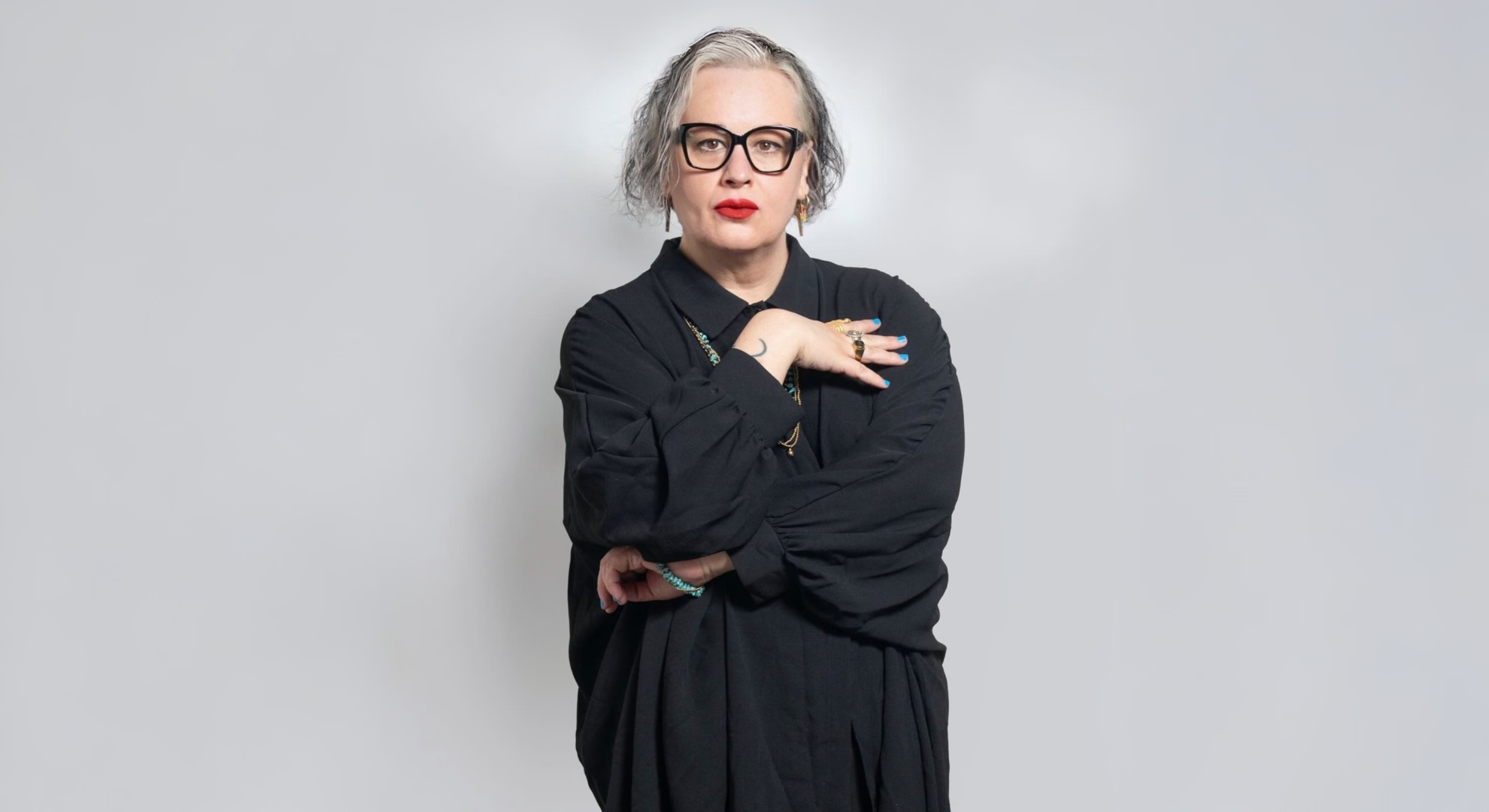
Portero was born in Madrid in 1978 and trained as a medievalist at the Universidad Autónoma de Madrid before working as a playwright, stage director, screenwriter, and cultural journalist, writing on feminism and trans life for a range of Spanish publications.
She cofounded the theater company STRIGA, whose name is the Latin word for the nocturnal witch of Roman belief, kin to the shrieking strix; the witch stood at the door of her work long before this novel. Her first books were poetry, and ‘La habitación de las ahogadas’ (‘The Room of the Drowned Women’), first published in 2017 and reissued in 2025, is the collection her publisher now lists beside the fiction.
The medievalist training bears directly on ‘Cosamala.’ The witch Portero summons is the one the archives of the Spanish Inquisition preserve rather than the figure of popular cinema: a village woman with a reputation, a nickname, and a trial record.
Seix Barral frames the novel as an outgrowth of her love of history and of oral legend, and as a homage to women killed across centuries for treating the land as a source of knowledge — a formulation that sets the coven of 1937 in a line running back through the inquisitorial trials of the sixteenth and seventeenth centuries.
From San Blas to the Sierra
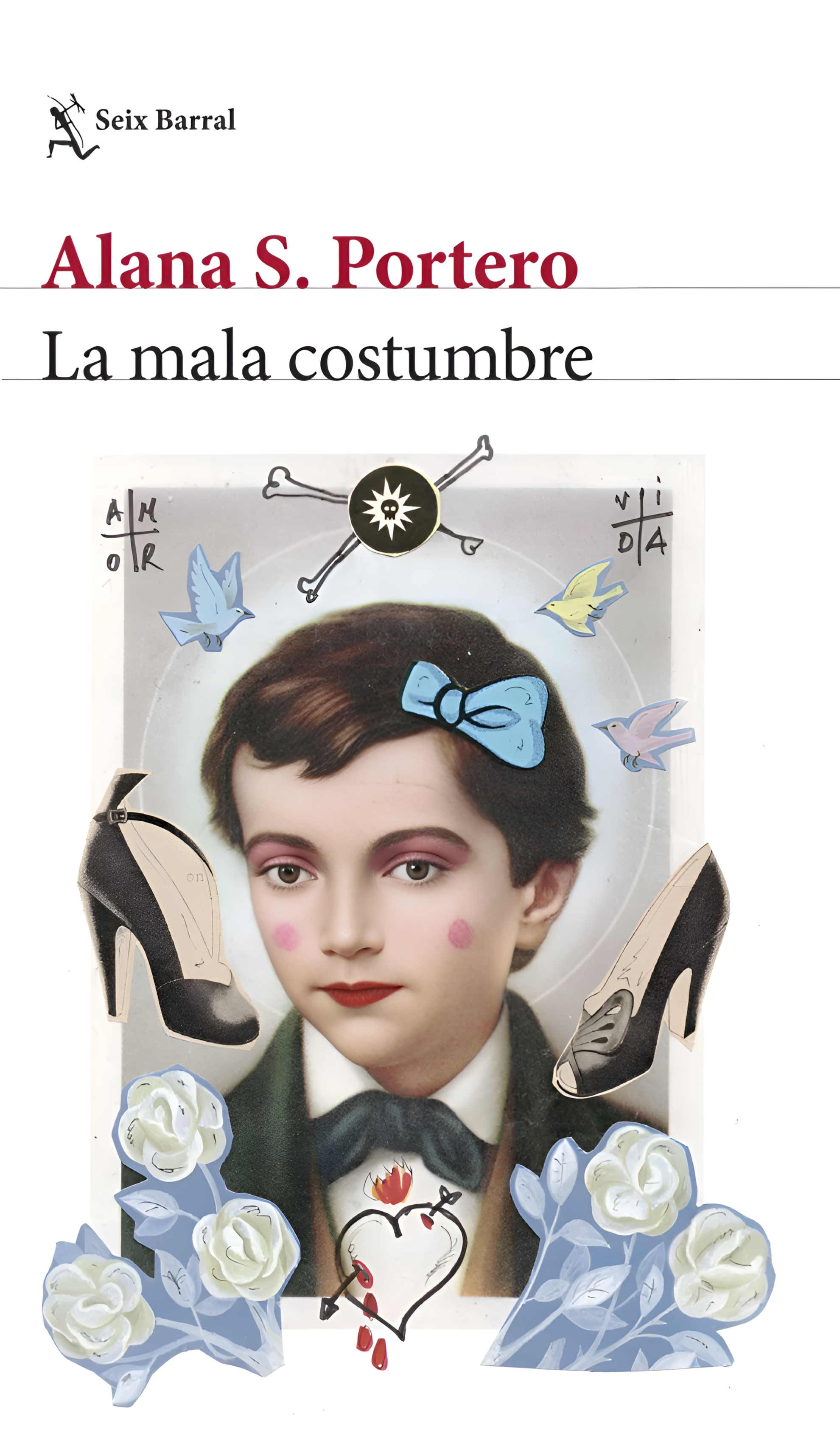
Portero’s first novel, ‘La mala costumbre,’ published by Seix Barral on May 3rd, 2023, follows a trans girl growing up in the working-class Madrid district of San Blas through the eighties and nineties, from a childhood among the neighborhood’s heroin-ravaged young men to her first nights in the city center.
Its closeness to the author’s biography invited readings as memoir; Portero has defended its status as a novel that turns known material into fiction. It appeared in English in 2024 as ‘Bad Habit,’ translated by Mara Faye Lethem, and by its publisher’s account it has been translated into 19 languages and published in 23 countries.
The book gathered the Premio Cálamo, the Dulce Chacón Prize for Spanish Narrative in 2024, the Almudena Grandes Prize, and France’s Prix Méditerranée, among other recognitions. Two of those prizes carry the names of the novelists most closely associated with women’s memory of the Civil War in recent Spanish fiction: Dulce Chacón, whose ‘La voz dormida’ (2002) followed Republican women imprisoned in Madrid’s Ventas jail, and Almudena Grandes, whose cycle ‘Episodios de una guerra interminable’ reconstructed the war’s long aftermath in realist historical fiction.
Honored in the names of the realist memory novel, Portero has returned to the same war and chosen the gothic instead.
The turn is less abrupt than it appears. Seix Barral has described the debut as an unusual blend of social realism and fantastic elements, and Portero announced the direction early.
Closing a 2024 conversation recorded for a literary podcast, she described her next book as “a witches’ tale, halfway between ‘Wuthering Heights’ and Federico García Lorca, set in the Spanish Civil War,” and called it a gothic novel. Two years later, the jacket copy for ‘Cosamala’ pitches the same pairing as ‘Wuthering Heights’ crossed with Lorca’s ‘Bodas de sangre’ (‘Blood Wedding’), an account consistent with the author’s own.
A Name for the Malign
The title fuses two words. In Spanish colloquial speech, ‘cosa mala’ — literally “bad thing” — serves as an intensifier for anything extreme, as in a cold that bites cosa mala, while its plain sense names something malign and better left unnamed. Run together as a single noun, the phrase becomes a name, the way a village turns a rumor into a person.
Portero had not given a documented public account of the title at the time of publication, and these readings are offered as this publication’s interpretation of the compound rather than as the author’s stated intention.
The coven’s leader carries an epithet with an Inquisition file behind it. Leonor Rodríguez, known as La Camacha, was a sorceress of Montilla, in the province of Córdoba, born in 1532 and paraded in penitence at a public auto de fe in Córdoba on December 8th, 1572, after the town’s Jesuits denounced her to the tribunal.
The word for what the women form carries its own history of persecution. ‘Aquelarre’ entered Spanish from the Basque akelarre, the meadow of the he-goat, and became the standard term for the witches’ sabbath after the Logroño auto de fe of 1610 condemned the accused of Zugarramurdi, in Navarre. The persecutors supplied the gathering with its goat and its meadow. ‘Cosamala’ hands the word to women whose gathering is, in Portero’s own description, a form of political and collective resistance.
Lorca and the Unburied
The adjective Seix Barral leans on hardest is lorquiana, and it is the most precise claim in the book’s presentation. Federico García Lorca’s rural tragedies — ‘Bodas de sangre’ (1933), ‘Yerma’ (1934), and ‘La casa de Bernarda Alba,’ completed in June 1936 — are Andalusian dramas of women held between land, honor, and death, and the first of them gives Death a body as a beggar woman and gives the Moon a speaking part as a cold young woodcutter who lights the knife.
Lorca’s theater was already gothic in the specific sense ‘Cosamala’ requires: the supernatural enters the village as an inhabitant rather than an intruder.
Two months after finishing ‘La casa de Bernarda Alba,’ Lorca was shot by Nationalist forces in the hills between Víznar and Alfacar, outside Granada, and his remains have never been found; a 2009 excavation at the site presumed to hold them recovered nothing. A Lorquian novel about the unburied dead of Andalusia invokes, through that adjective alone, the most famous of them.
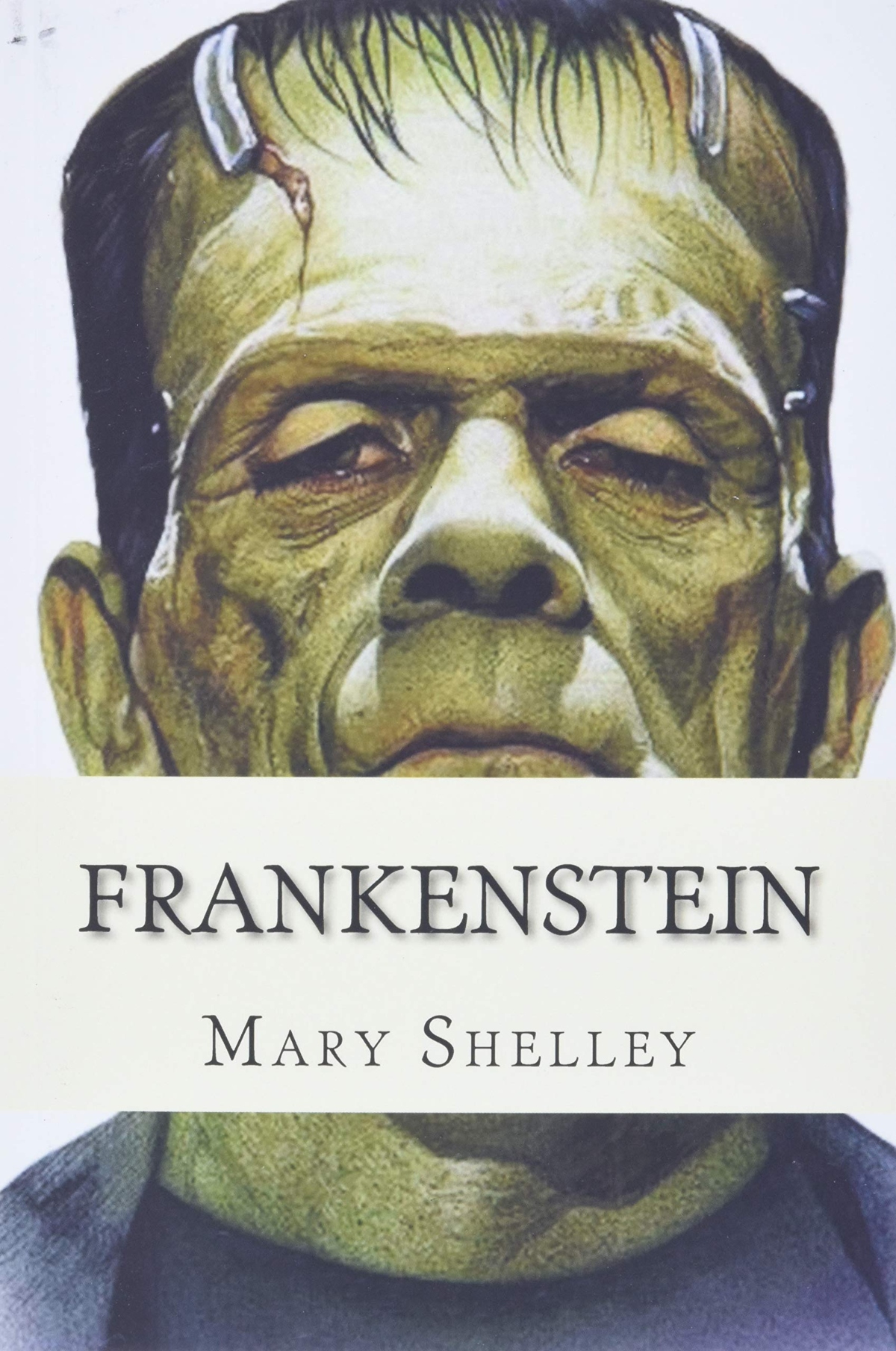
The other half of the pitch, ‘Wuthering Heights,’ names the English line of the gothic in which weather, moor, and passion are indivisible, and Seix Barral extends the genealogy to Mary Shelley, Carson McCullers, Shirley Jackson, the Victorian penny bloods, and the films of Robert Eggers.
That list is notable for what it omits. Spain has its own gothic current, from Gustavo Adolfo Bécquer’s ‘Leyendas,’ where ‘El monte de las ánimas’ (1861) brings dead Templars back across a mountain near Soria on All Souls’ night, to the darker tales of Emilia Pardo Bazán, and it has long been read as a minor stream beside Spanish realism.
The memory novel of the past quarter century, from Javier Cercas’s ‘Soldados de Salamina’ (2001) through Chacón and Grandes, inherited that realist dominance. ‘Cosamala’ proposes that the gothic, rather than the documentary, is the native form for a war whose dead remain in the ground.
The Coven as Testimony
With the novel not yet in readers’ hands, its prose cannot be assessed beyond what its author and publisher have confirmed, and those confirmations are specific enough to describe the book’s construction. Portero has said the story is conducted by the voice of a “compassionate narrator” who is “almost elderly,” a retrospective teller looking back on 1937 across decades.
That choice ties the novel to oral transmission, the channel through which the names of the dead survived in Andalusian villages under the dictatorship when they could not be written down, and it means the supernatural reaches the reader already filtered through memory and legend — the register in which a village keeps what it cannot officially say.
Portero has set herself a constraint on the other side of the violence as well. She has said she required herself to be “fair to the aggressors, in all their cruelty and in their limits,” without satire or caricature.
For a horror novel grounded in a documented atrocity, that refusal of the grotesque villain is a structural choice: dread comes from recognizable perpetrators — horsemen, bullfighters, landowners, neighbors — so that the supernatural force in the book belongs to their victims. Here the novel inverts the inquisitorial logic it inherits. For three centuries in Spain, witchcraft was the accusation the powerful brought against village women; in ‘Cosamala,’ it is the means by which those women answer.
The synopsis is consistent on a point that deserves weight. The coven’s goal is repair as much as vengeance: to heal the ground and return life to a barren country with its dead as allies. Horror has long imagined the returning dead as contamination. Portero, on the evidence of her own description, imagines them as collaborators, which would locate the novel’s horror less in its ghosts than in the living violence that made them.
One question about the historical base remains open before publication. Seix Barral’s synopsis speaks of a single real crime of the war, while at least one distributor’s catalog listing describes the novel as growing from several real crimes against women killed during the conflict; neither identifies the case. The difference matters. A single documented killing would anchor the novel to one village’s archive, while several would make it a composite of the regional repression.
The Dead as Collaborators
Spanish fiction has spent a quarter century documenting the Civil War’s dead with the instruments of realism — the archive, the interview, the reconstructed life — and those instruments have recovered names. What they cannot do is grant the absent a will of their own.
‘Cosamala’ stakes its claim on the gothic’s oldest privilege, the right of the dead to act, and fastens it to a documented column, a documented sierra, and a war whose victims are still being counted. If the novel holds to its author’s stated terms, it will place the Spanish witch where her history always pointed: not on the scaffold the Inquisition raised for her, but among the women digging, beside the dead who consent to be found.
Which novels — Spanish, Latin American, or Colombian — have most convincingly carried the unburied dead of a civil war or dictatorship through the forms of horror rather than testimony, and which of them deserve a place beside ‘Cosamala’ in this publication’s coverage?
References
- Paul Preston, ‘The Spanish Holocaust: Inquisition and Extermination in Twentieth-Century Spain’ (London: HarperPress, 2012). ↩︎
- Francisco Ferrándiz, ‘El pasado bajo tierra: Exhumaciones contemporáneas de la Guerra Civil’ (Barcelona: Anthropos, 2014). ↩︎
Leave a Reply