
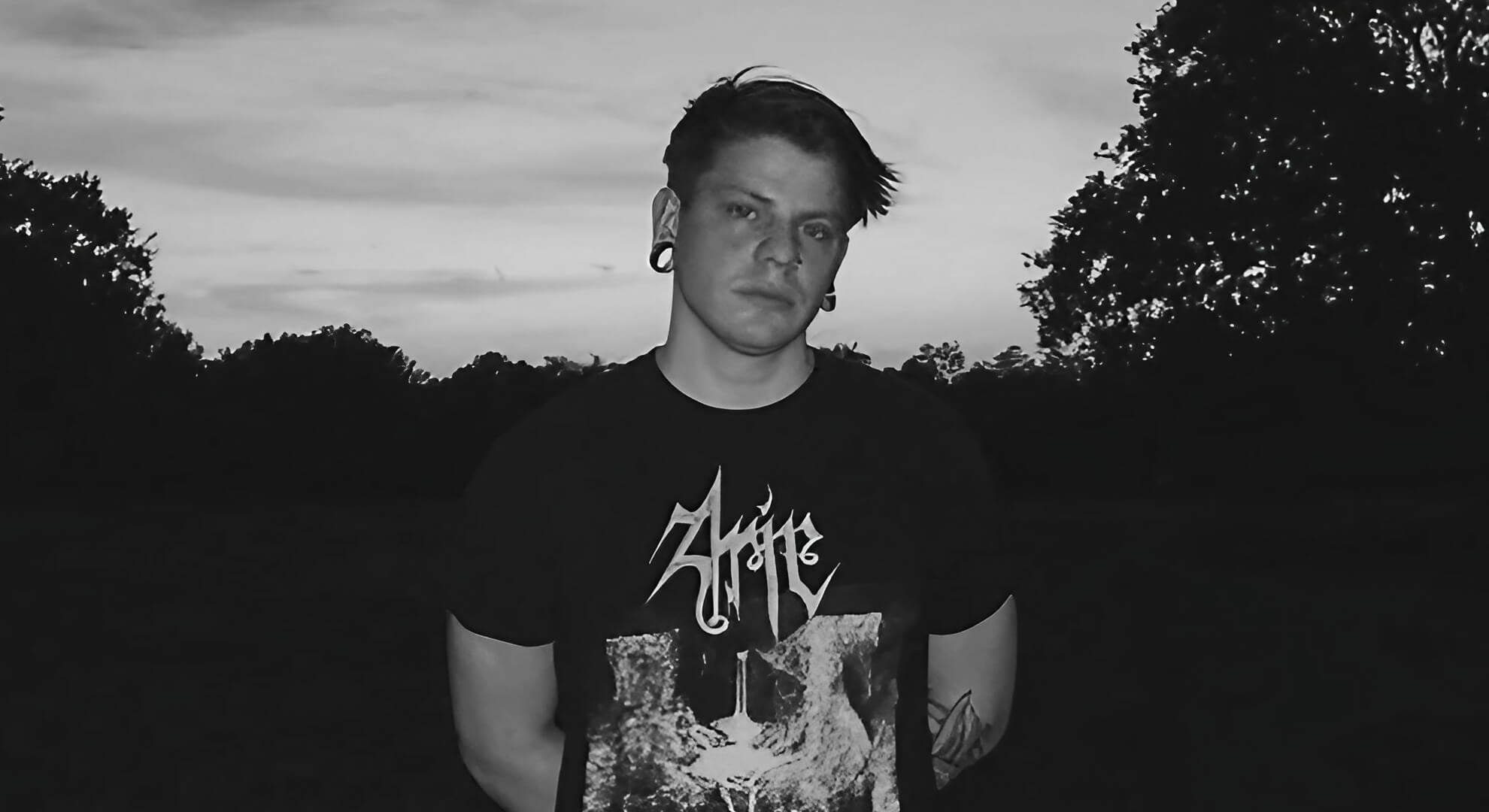


In the quiet sprawl of Modesto, California, silence is usually a passive state—a mere absence of noise. For Wyatt Sharp, the architect behind the extreme metal project Sidian, silence has instead become a heavy, tangible presence, a repository for years of unsaid farewells and suspended grief. It is this specific, weighted silence that Sharp seeks to exorcise with the announcement of the band’s long-awaited debut full-length album, ‘Where Our Silence Comes To Die.’
The album, a meticulously constructed monument to loss, is slated for a Limited Edition CD release on December 26, 2025, via the boutique label Rebel Pyro Musick. Its very title serves as a meta-textual commentary, carving out a sonic space where the suppression of the last fifteen years is finally vocalized.
The announcement arrives alongside the premiere of the lead single, ‘Elegiac, Absent Catharsis,’ a composition that immediately dispels any notion that Sidian has remained static during its time away. Blending the haunting atmosphere of post-metal with the razor-edged precision of “techy dissodeath,” the track captures the band’s evolution from their early demo days through a significant post-hiatus resurgence. It is a return that feels less like a comeback and more like a necessary expulsion of pressure.
Sidian: An Imperfect Eulogy
The emotional core of this release lies in a tragedy that struck the band’s inner circle. The new single, and indeed the album itself, is dedicated to Danny Farhoud, the band’s former bassist and Sharp’s close friend, who passed away in May 2022. Sharp describes the track as an “imperfect eulogy,” a phrase that suggests a struggle to articulate the magnitude of the loss through music alone.
“He was not just a friend — he was the closest thing to my brother, especially in spirit,” Sharp says. “We went through a lot of good and bad together, and when he died, it hit in a way I honestly still do not fully know how to put into words.”
This struggle with inarticulate grief forms the conceptual backbone of the single. The title ‘Elegiac, Absent Catharsis’ is a study in contradiction. “Elegiac” signals a lament, a move away from traditional death metal anger toward mourning. “Absent Catharsis” implies a denial of closure—a composition designed to build tension without offering the listener the relief of resolution. The music reflects this psychological state, offering a persistent, throbbing intensity rather than a triumphant chorus.
“I wrote this trying to make sense of all of that… the calm moments, the messed-up moments, the guilt, the clarity — everything that made him who he was to me,” Sharp explains. “A lot of it is just me trying to sit with him again in whatever way I still can.”
Echoes of a Technical Past
Sidian, formed in late 2010, entered a Californian death metal scene already consumed by a relentless pursuit of speed and technical proficiency. The band immediately set themselves apart with an intellectualized form of aggression, evident in early tracks such as ‘Yersinia Pestis.’ This reference to the biological agent responsible for the plague established a “medical” aesthetic that became a hallmark of technical death metal, offering a contrast to the prevalent satanic imagery of that era.
It was their 2012 studio work, however, that established their pedigree. During this era, the band collaborated with producer Zack Ohren at Castle Ultimate Studios, a figure synonymous with the polished, high-velocity sound of modern metal. These sessions featured drummer Alex Bent, who would go on to achieve international recognition with heavyweights like Trivium and Testament. The resulting track, ‘Eternal Bloom of Lamenting Dawn,’ showcased a band capable of navigating complex polyrhythms and chaotic riffing with poise.
Yet, following this burst of activity, the band entered a long period of dormancy. Sharp continued to write, but the material from this “lost era” between 2012 and 2013 was shelved, a decision he now views as fortunate. It allowed him to strip away the excesses often found in young technical bands and focus on a more mature, emotionally resonant sound.
‘Carry My Bones’ Singular Vision Emerges
The silence broke briefly in 2019 with the release of the EP ‘Carry My Bones.’ By this time, Sidian had transitioned from a “democracy of five” into a “dictatorship of one,” effectively becoming a solo vehicle for Sharp. This shift allowed for a singular, uncompromised vision.
The single ‘Pillars’ from this era drew comparisons to the atmospheric density of early Rivers of Nihil, signaling a shift away from pure technicality toward something darker and more immersive.
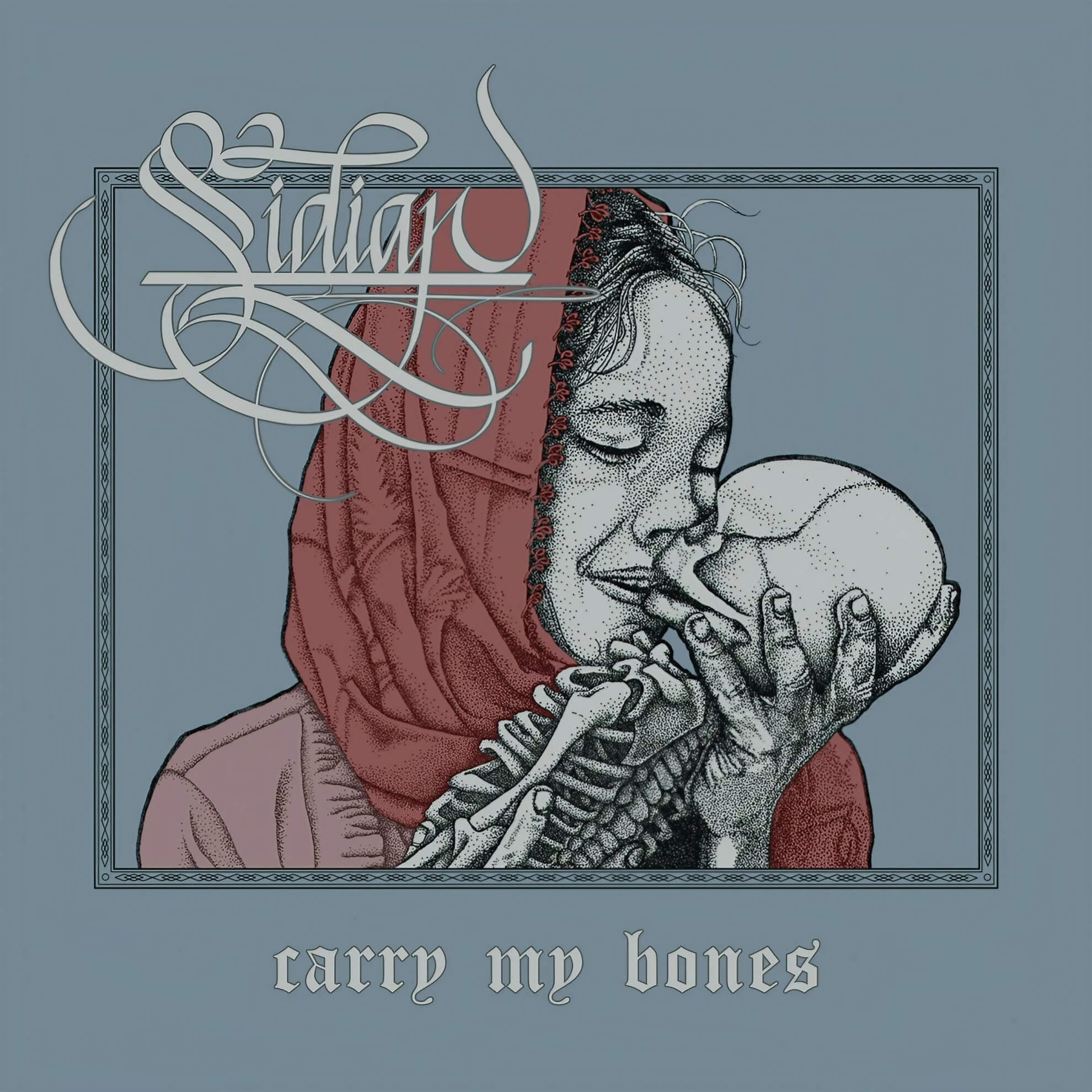
Critics noted the “atmospheric” qualities of this release, placing it alongside the work of genre contemporaries who favor mood over mere aggression. ‘Carry My Bones’ served as the bridge between the band’s frantic origins and the somber, cinematic scope of the upcoming 2025 release.
The Evolution of Dissonance
The musical setting Sidian inhabits in 2025 is one where the lines between technical proficiency and avantgarde art have blurred. The new material sits in conversation with the dissonant death metal movement spearheaded by bands like New Zealand’s Ulcerate.
Just as Ulcerate shifted the genre’s focus from riff-based narratives to corrosive atmospheres and shrieking motifs, Sidian appears to be using the guitar as a tool for texture rather than just rhythm. The use of minor seconds and tritones creates a beating frequency that induces tension, washing over the listener in a dense sonic presence.
Furthermore, the influence of progressive acts like Job For A Cowboy is evident in the structural maturity of the new work. Much like Job For A Cowboy’s pivotal album ‘Sun Eater,’ which saw them abandon deathcore tropes for a progressive sound defined by audible, lead-centric bass lines, Sidian has shed the constraints of their early genre tags.
The “industrial” pulse mentioned in early reports of the new single suggests a rhythm section that prioritizes hypnotic groove over constant velocity. Listeners can expect syncopated, tom-heavy patterns that mimic the mechanical repetition of industrial music, creating a trance-like state that supports the psycho-acoustic ambitions of the track.
‘Where Our Silence Comes To Die’ Emotional Terrain
Sidian’s choice to partner with Rebel Pyro Musick for the Limited Edition CD release of ‘Where Our Silence Comes To Die’ highlights a commitment to the physical artifact, standing against the prevailing trend of digital streaming.
This focus on a limited CD run appeals directly to the collector culture that is vital to the underground metal scene. Furthermore, the collaboration with Rebel Pyro—a label respected for supporting emerging bands with targeted publicity and distribution—positions Sidian within a distinct sub-culture that prioritizes artistic integrity over mainstream commercial success.
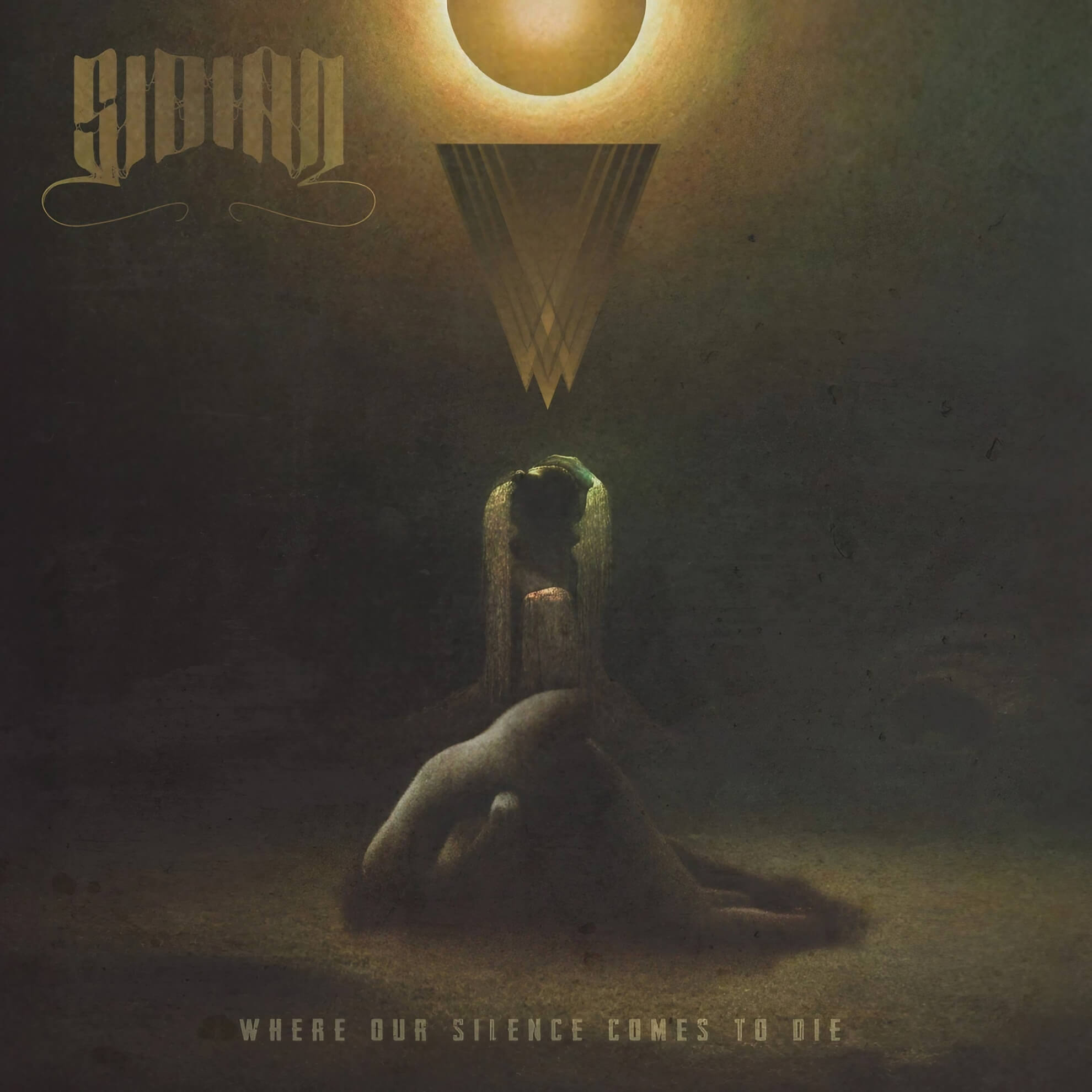
The album’s visual identity is equally curated, with artwork provided by Stone Graphics (Brian Lewis). Lewis, known for an aesthetic that removes background noise to highlight “craftsmanship” and texture, worked with Sharp to create a cover that blends hand-drawn references with oil painting fills. This visual approach mirrors the music’s philosophy: stripping away the extraneous to reveal the stark, often painful details of the subject matter.
Sharp’s description of the creative process reveals a deep entanglement of memory and place. He references a “garden” in the song ‘Elegiac, Absent Catharsis,’ which serves as both a literal location from the band’s early days and a metaphysical space for memory.
“That ‘garden’ in the song is literal — where we came up with the first ideas that would become Sidian, but also how I picture those quieter memories where he felt the most like himself, and where I would like to imagine him now,” Sharp says. “Even now, when it feels like my world goes silent for a second, I catch myself thinking of the really important moments that shaped me, and he was always right there.”
A Permanent Resonance
As December 26 approaches, ‘Where Our Silence Comes To Die’ stands as a proof to the endurance of artistic intent through personal catastrophe. It is a work that refuses to shy away from the “messed-up moments” or the “guilt,” opting instead to give them a permanent form.
“This ended up being my attempt at carrying him forward in a way a bit more permanent than just memories, imbuing it with the actual last riff we ever wrote together,” Sharp concludes. “It is for the version of him that finally got to breathe, and for the version of me that is still trying to figure out how to live with the space he left behind.”
For the listener, Sidian offers no easy answers, only a shared space within the silence—a place where the noise of the world falls away, leaving only the stark, beautiful, and terrifying sound of grief.
Sidian’s musical evolution, spanning from the intense technicality of 2012 to the mournful depth of their 2025 release, prompts a discussion about the role of extreme music. Considering the genre’s inherent ferocity, which approach to loss do you find more compelling: Sidian’s move toward “absent catharsis,” or the more conventional, aggressive emotional release associated with traditional death metal?
Leave a Reply