


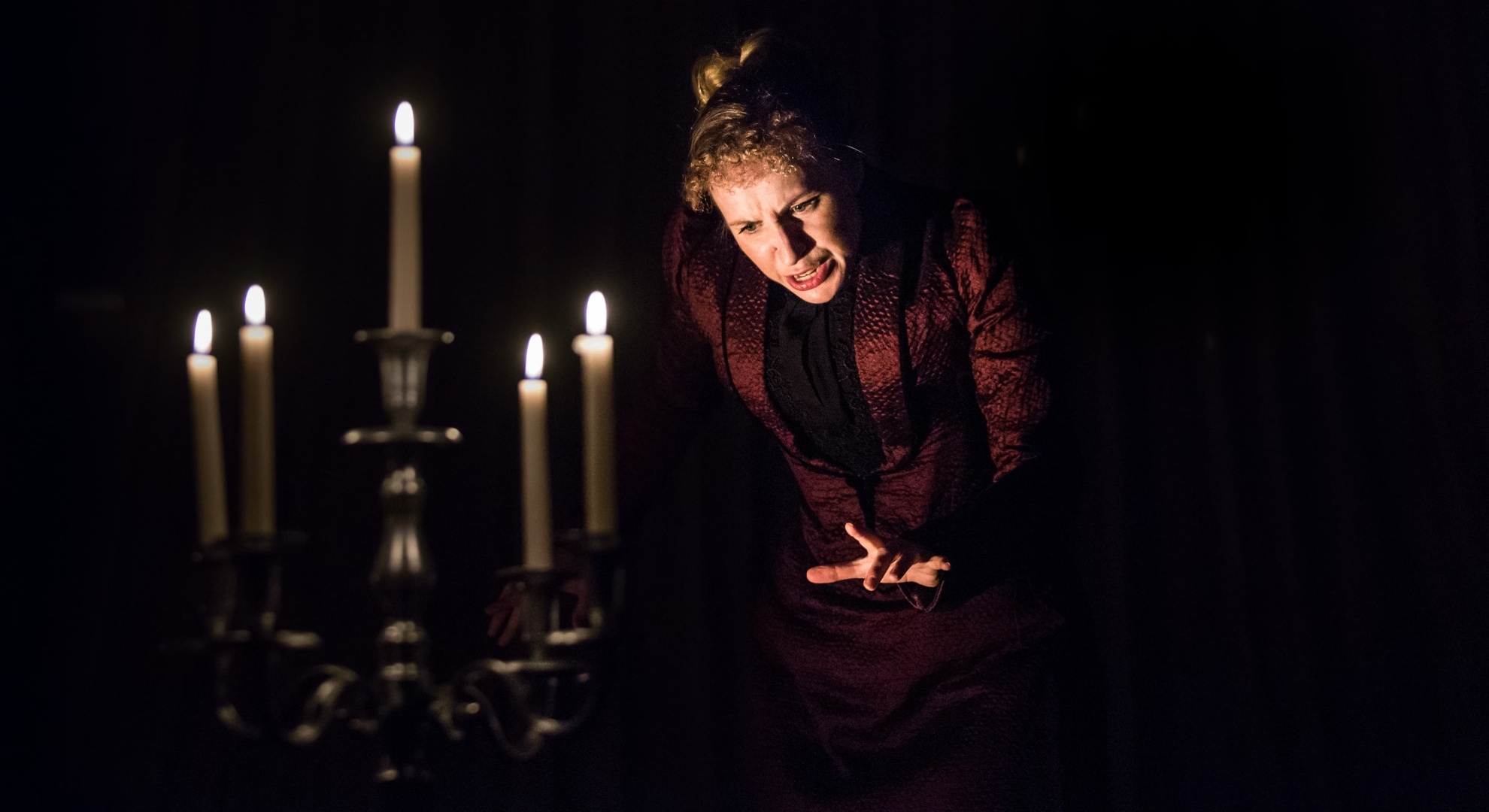
The image of the shadowy Victorian apothecary is a cornerstone of gothic fiction. Shelves lined with dark glass vials, potent tinctures for nervous exhaustion, and mysterious herbal concoctions all play into the atmospheric dread of nineteenth-century horror. Authors of the era frequently used these botanical remedies as plot devices, blurring the lines between medicinal healing and supernatural poisoning.
The societal fascination with madness, melancholy, and the macabre meant that any cure for psychological ailments was viewed with a mixture of hope and deep suspicion.
Readers were captivated by stories of troubled protagonists seeking relief in dimly lit dispensaries, where the line between remedy and poison was often obscured by superstition and folklore.
The Literary Apothecary and Real-World Medicine
These dark literary tropes were deeply rooted in the medical realities of the time. When examining the depictions of supernatural and madness in Victorian Gothic literature, it is evident that early psychological theories and societal anxieties shaped how writers portrayed mental breakdowns.
To treat conditions like neurasthenia, a popular 1869 diagnosis for nervous exhaustion, real Victorian apothecaries frequently prescribed botanical bitters, skullcap, valerian root, and laudanum. The uncanny elixirs of gothic fiction were simply exaggerated versions of these everyday apothecary tonics.
Doctors and herbalists of the era often experimented with obscure plants, seeking to calm the fraught nerves of an industrialising society.
Even the highest echelons of society relied on these plant-based treatments. Sir John Russell Reynolds, the personal physician to Queen Victoria, famously utilised a sublingual cannabis tincture to relieve the monarch’s severe physical pain.
In an 1890 publication in The Lancet, Reynolds summarised over thirty years of clinical experience, declaring botanical cannabis as one of the most valuable medicines available when carefully administered.
This historical reliance on natural remedies demonstrates that, despite the gothic sensationalism, botanical medicine held a respected place in early Western clinical practice.
Reclaiming Botanicals in Alternative Subcultures
Today, alternative subcultures have reclaimed these traditional botanical remedies, stripping away the macabre superstitions of the past in favour of modern holistic health and clinical science.
As society’s understanding of mental and physical health has evolved, so too have the tools used to administer these natural treatments. The modern approach focuses heavily on harm reduction and precise dosing, completely abandoning the guesswork of the past.
Contemporary holistic health enthusiasts view plant-based remedies not as eerie potions, but as vital components of a balanced, health-conscious lifestyle.
Rather than relying on unregulated apothecary tinctures, contemporary wellness enthusiasts use advanced technology to extract therapeutic compounds safely. Australian health professionals increasingly recommend precise convection devices to avoid the harmful byproducts of combustion.
Those seeking a high-quality, combustion-free extraction method often explore options like the Tinymight 2 Australia to achieve rapid, temperature-controlled relief without the respiratory risks associated with burning dry herbs. By embracing such innovations, individuals can experience the benefits of botanical medicine while prioritising their long-term lung health.
The Science of Vaporisation and Harm Reduction
The shift from traditional smoking to modern vaporisation represents a major evolution in botanical medicine.
Under clinical guidance, dry herb botanical flower is specifically intended for vaporisation. This process utilises precise temperature controls to heat the botanicals with hot air, efficiently extracting terpenes and active compounds while staying well below the plant’s combustion point of around 230 degrees Celsius.
This scientific precision ensures that patients receive the active medicinal properties without the toxic carcinogens produced by open flames.
The medical community widely supports this harm-reduction strategy. A recent peer-reviewed evaluation of whether vaporisers are a lower-risk alternative to smoking confirms that cannabis vaporiser use can reduce the emission of carbon monoxide, alleviate chronic respiratory symptoms, and decrease patient exposure to several dangerous toxins compared to traditional smoking methods.
Pharmacokinetic data also shows that vaporising botanical flowers provides a rapid onset of therapeutic effects, making it ideal for patients requiring immediate relief from acute symptoms.
Modern Australian Clinical Frameworks
Far from the unregulated dispensaries of the Victorian era, the modern integration of botanical medicine in Australia is defined by rigorous scientific frameworks. The Therapeutic Goods Administration tightly monitors patient access through the Special Access Scheme and Authorised Prescriber pathways, ensuring that all products meet strict safety standards.
Several recent developments highlight the strict, clinical nature of modern botanical therapies in the country:
- Strict Regulatory Enforcement: In October 2026, the Federal Court of Australia penalised a major clinic 6.5 million dollars for unlawful advertising, showcasing the aggressive crackdown on unregulated industry marketing.
- Updated Veterans Guidelines: The Australian Department of Veterans Affairs updated its medicinal cannabis framework in February 2026, establishing strict new formulation and dosing limits to ensure safer prescribing practices for eligible veterans.
- Professional Clinical Training: The Royal Australian College of General Practitioners now provides accredited clinical workshops for doctors, offering specific training on hands-on vaporisation techniques and patient assessment.
- Groundbreaking Sleep Trials: Australian researchers are actively conducting the CANSLEEP trials at the Woolcock Institute of Medical Research, investigating exactly how specific botanical formulations alter sleep architecture in patients with insomnia.
The fascinating journey from the dimly lit, macabre Victorian apothecary to the well-regulated, clinically backed modern dispensary highlights our changing relationship with the natural world.
Botanical medicines are no longer viewed through a lens of fear or supernatural mystery. By replacing the dark, superstitious potions of nineteenth-century fiction with precision vaporisation technology and peer-reviewed clinical science, today’s alternative subcultures have transformed a classic literary trope into a legitimate, health-conscious lifestyle practice.






Leave a Reply