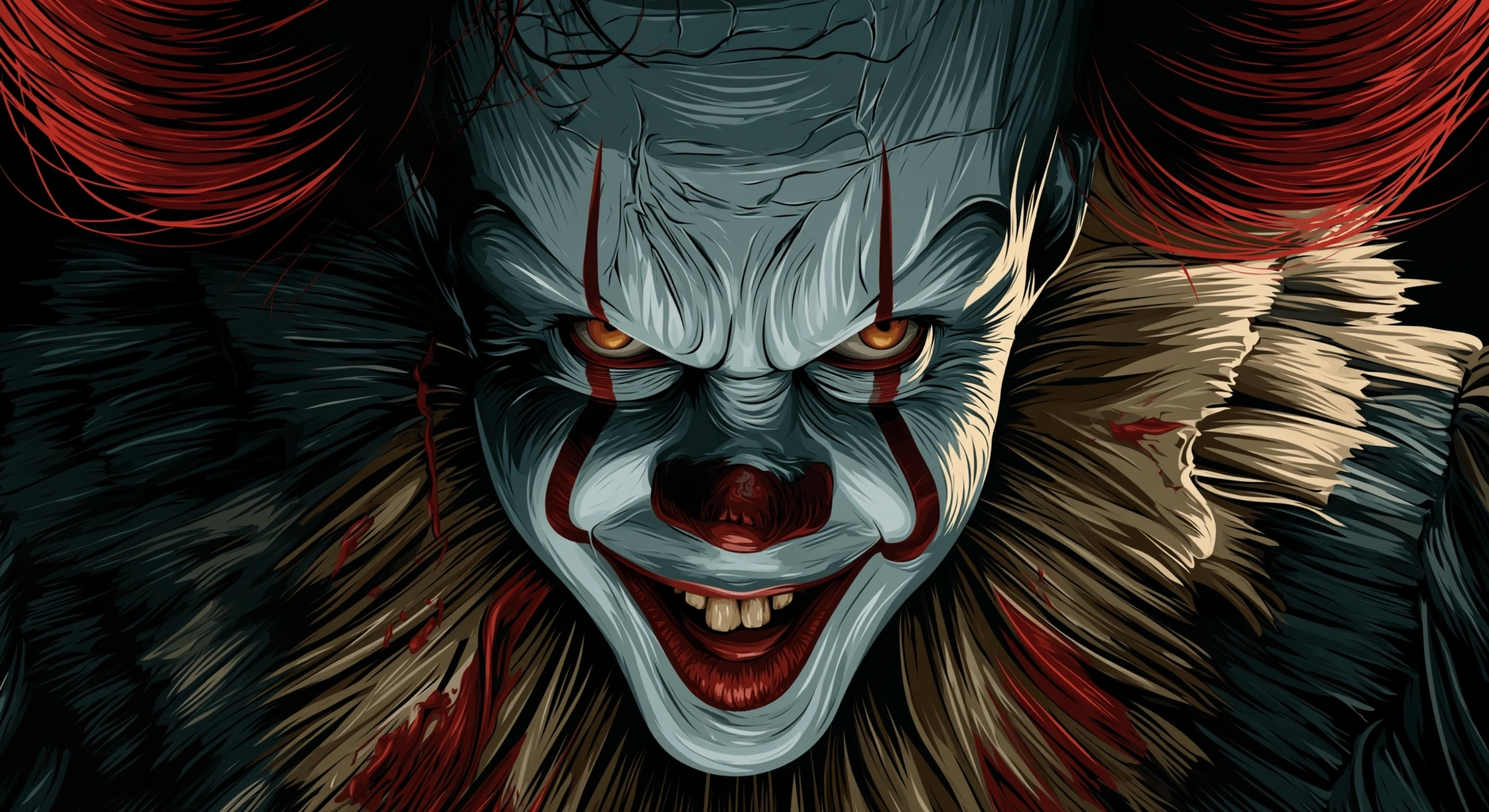


Horror is one of the most recognisable yet varied film genres. From the shadowy corridors of early Gothic cinema to the practical effects of 1980s slashers, the genre has constantly evolved, reflecting society’s changing fears and anxieties. Hardcore fans have grown with it, finding thrills in the chills of every iteration.
But even as the genre’s popularity seems solidified, with streaming platforms reshaping how we watch films, questions remain about what will happen to the cult classics that shaped horror as we know it. Are they destined to disappear into obscurity?
Not if consumers can help it. As film fans across the generations drive a resurgence in physical media, it is clear these formats – from DVD to vinyl – can play an important role in keeping classic horror accessible in the future.
Why Horror’s Cinematic Legacy Matters
Horror cinema offers more than a century of filmmaking history. It’s possibly unique in how it reveals the fears of the different eras, tracking societal revolution through things kept concealed rather than celebrated. To reflect these murky undercurrents, horror directors pushed creative boundaries, challenging the norm in ever scarier ways.
Take ‘Nosferatu’ (1922), for example. F. W. Murnau’s silent vampire film helped establish the unsettling visual language that later filmmakers would adopt. Decades later, George A. Romero’s ‘Night of the Living Dead’ (1968) redefined the zombie genre while reflecting the social tensions of 1960s America.
These films provide valuable context for understanding modern horror. When you explore the genre’s history, you begin to recognise the influences behind contemporary releases, from familiar storytelling techniques to recurring themes in society.
The Problem With Relying on Streaming
Streaming services have made horror more accessible than ever, giving you instant access to films from different decades and countries. However, their constantly changing catalogues make them unreliable as permanent archives.
Licensing agreements determine which titles platforms can offer, meaning a film you enjoy today might disappear tomorrow. Some older or more obscure releases never reach major streaming services at all.
Streaming also gives you limited control over the version you watch. Platforms might offer a particular theatrical cut without including alternative edits, historical commentary or other material that explains the film’s production.
For horror enthusiasts, these gaps can make exploring the genre’s history frustrating, particularly when researching lesser-known filmmakers or comparing different releases.
How Physical Media is Keeping Classic Horror Alive
Physical releases offer a more permanent way to enjoy horror cinema. Once you own a film on disc or the soundtrack on vinyl, you can revisit it without worrying about licensing changes or subscription costs. They also provide an avenue to overlooked influential titles.
Modern formats, including 4K, Ultra HD and Blu-ray films, allow viewers to experience older films with improved picture quality, revealing details that previous home releases struggled to reproduce that help them match the impact of their initial cinema showings. For example, a high-quality restoration can bring greater clarity to the atmospheric lighting and intricate practical effects that define many classic horror films.
Collectors’ editions frequently include interviews, documentaries and director commentaries, too. These extras help you understand how filmmakers achieved particular effects, overcame production challenges and influenced later generations, letting fans fully immerse in the worlds that captivate them.
Preserving Horror for Future Generations
Physical media also gives horror fans a practical way to introduce younger audiences to the genre’s history. Building a collection around influential directors, landmark releases or particular subgenres creates a personal archive that you can revisit and share.
Rather than relying entirely on streaming recommendations, you can explore horror’s development chronologically, discovering how filmmaking techniques and audience expectations have changed.
Physical ownership doesn’t guarantee a film’s survival, and discs still require proper care. However, alongside professional archives and restoration projects, home collections help maintain access to important works.
As viewing habits continue to change, physical media offers something increasingly valuable: the opportunity to keep horror’s cinematic past within reach, ready for the next generation to discover.



Leave a Reply