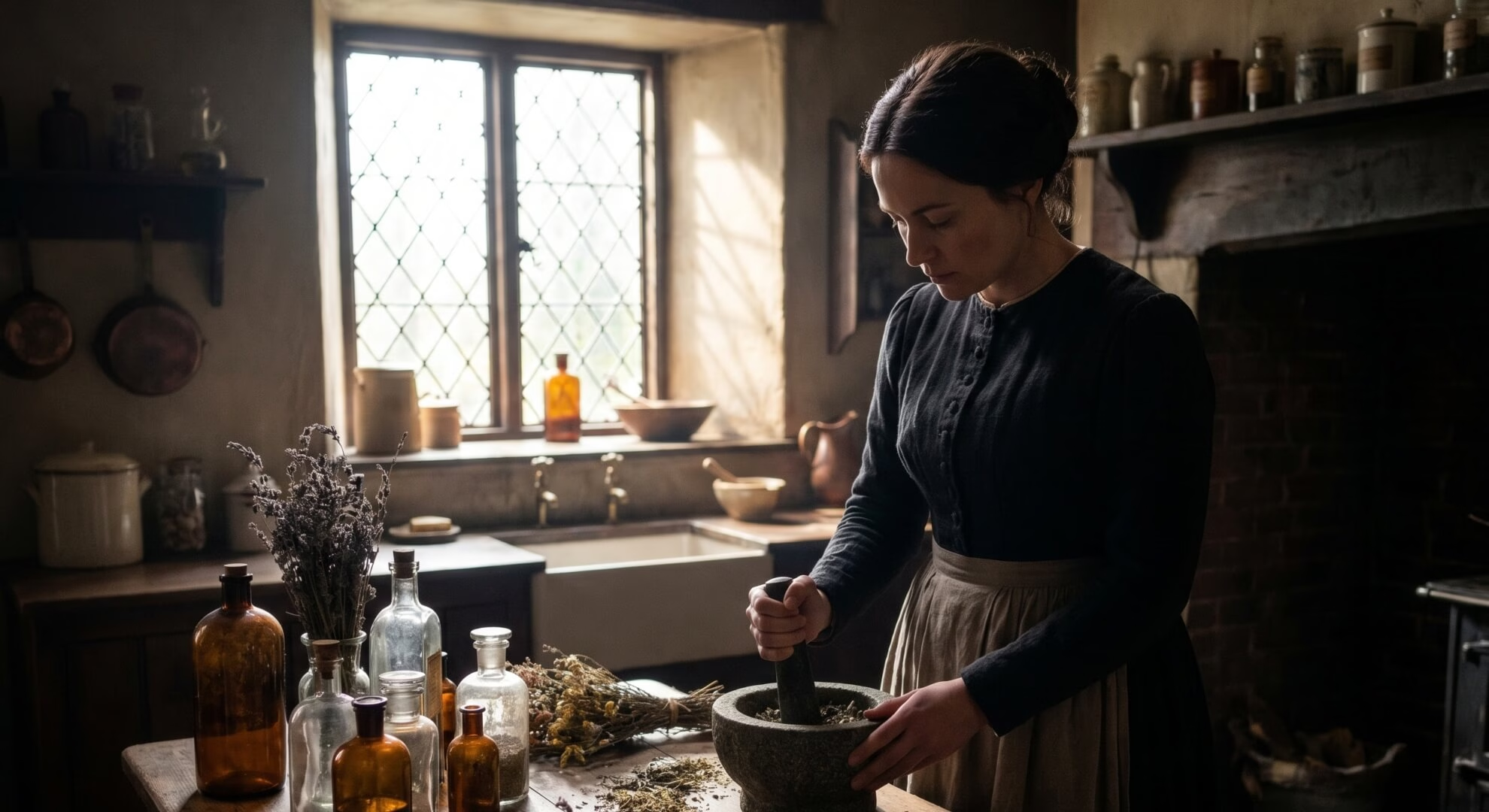


The nineteenth-century apothecary evokes vivid images of dark amber glass bottles, mysterious herbal tinctures, and the distinct, earthy scent of dried botanicals. In the Victorian era, the line between ancient folklore and emerging clinical science was delightfully blurred. Apothecaries served as bustling community hubs where individuals from all walks of life sought relief for everything from physical pain to severe psychological distress. Yet, as the century progressed, this accessible, community-based approach to healing was slowly overshadowed by a new, highly regimented age of medicine.
Today, however, we are witnessing a remarkable return to those botanical roots. As people increasingly look for ways to manage chronic conditions through natural means, the growing field of alternative medicine in Australia reflects a deep-seated global desire to reclaim holistic, patient-centred care from the rigid confines of pure pharmaceutical intervention.
The Shift Towards Medical Institutionalisation
As the Victorian era marched forward, the medical establishment became deeply obsessed with rigid categorisation and absolute control over the human body. The holistic community healer was gradually replaced by the towering, often terrifying, medical asylum. This period was marked by a strict, dehumanising approach to care that prioritised discipline over actual healing.
Patients experiencing mental distress or chronic, misunderstood illnesses were frequently stripped of their personal liberties. They were treated more as diseased specimens than as human beings deserving of empathy and understanding.
The drive to institutionalise was often wrapped in the guise of public safety and moral reform. Medical professionals of the time were heavily influenced by societal anxieties, viewing any deviation from strict Victorian norms as a pathology to be confined. Consequently, asylums grew into massive, sprawling complexes designed more for containment than for compassionate recovery.
This architectural and psychological isolation meant that patients were effectively cut off from their families, their communities, and the healing benefits of the natural world.
We can clearly see the psychological toll of this era in the way institutionalised individuals fought to retain their voices. For instance, many patients resorted to writing and publishing literature in asylums during the nineteenth-century to fiercely advocate for their own autonomy and sanity. These written accounts serve as a poignant reminder of a dark time when absolute medical authority completely eclipsed the individual, lived experience of illness. The focus had shifted entirely from healing the person to merely managing the symptoms within a confined space.
Botanical Remedies Before Prohibition
Despite the creeping shadow of institutional control, the actual physical treatments found within a Victorian apothecary often still relied heavily on the natural world. Long before the heavy-handed regulations and prohibitions of the twentieth century, botanical cures were a respected, integral cornerstone of mainstream Western medicine. In fact, some of the most prominent nineteenth-century physicians, such as William Brooke O’Shaughnessy and Moreau de Tours, played a major role in formalising plant-based treatments and bringing them into mainstream European practice.
In addition to pain management, these early botanical applications offered significant relief for patients suffering from what the Victorians broadly diagnosed as hysteria or nervous exhaustion. The apothecary was not merely a shop; it was an environment where the preparation of a tincture was an art form, blending empirical observation with inherited herbal knowledge.
The subsequent loss of these community spaces left a significant void in local healthcare, as patients were forced to rely solely on increasingly synthetic, institutionalised medical interventions.
According to the National Institutes of Health, these pioneering doctors were highly instrumental in introducing the history of cannabis and its therapeutic properties into standard medical practice. These rich botanical extracts were commonly prescribed by doctors for alleviating severe pain, muscle spasms, and complex nervous conditions.
This historical reality proves that natural, holistic remedies were once viewed with deep scientific curiosity and respect, rather than the suspicion and stigma that characterised later decades. The eventual criminalisation of these plants severed a vital link to ancient healing traditions.
Bridging the Gothic Past to Modern Wellness
The harsh restriction of traditional botanical treatments in the twentieth century marked the absolute peak of the purely clinical, detached medical model. However, modern medical humanities and contemporary wellness movements show us that the pendulum is finally swinging back.
Today, the resurgence of natural therapies mirrors the spirit of the old apothecary, but with the vital added benefit of rigorous modern scientific testing.
When we compare the rigid, often punitive Victorian medical model to today’s natural health movement, several key differences highlight our cultural progress:
- Patient Autonomy: Instead of being subjected to forced institutional treatments, modern individuals actively collaborate with their practitioners to design custom, holistic wellness plans.
- Integrative Science: The mysterious, unregulated tinctures of the 1800s have successfully evolved into carefully extracted, lab-tested botanical medicines that guarantee safety and efficacy.
- Destigmatising the Body: Modern natural health practices view chronic pain and mental fatigue as complex conditions requiring compassionate, gentle care, rather than moral failings to be locked away in an institution.
- Community Focus: We are moving away from the isolating architecture of the asylum and returning to community-based dispensaries that prioritise education, openness, and empowerment.
The profound evolution from the Gothic apothecary to the modern holistic dispensary is a fascinating historical journey of loss and vital reclamation. By looking back at the overly clinical, dehumanising practices of the Victorian era, we can much better appreciate the incredible freedom of contemporary healing.
The resilient plants that once lined the dusty, dimly lit shelves of nineteenth-century chemists are securely back in the light. They now offer a gentle, deeply patient-focused alternative to the rigid systems of the past, proving that sometimes the best way to move forward in medicine is to remember the wisdom we left behind.