
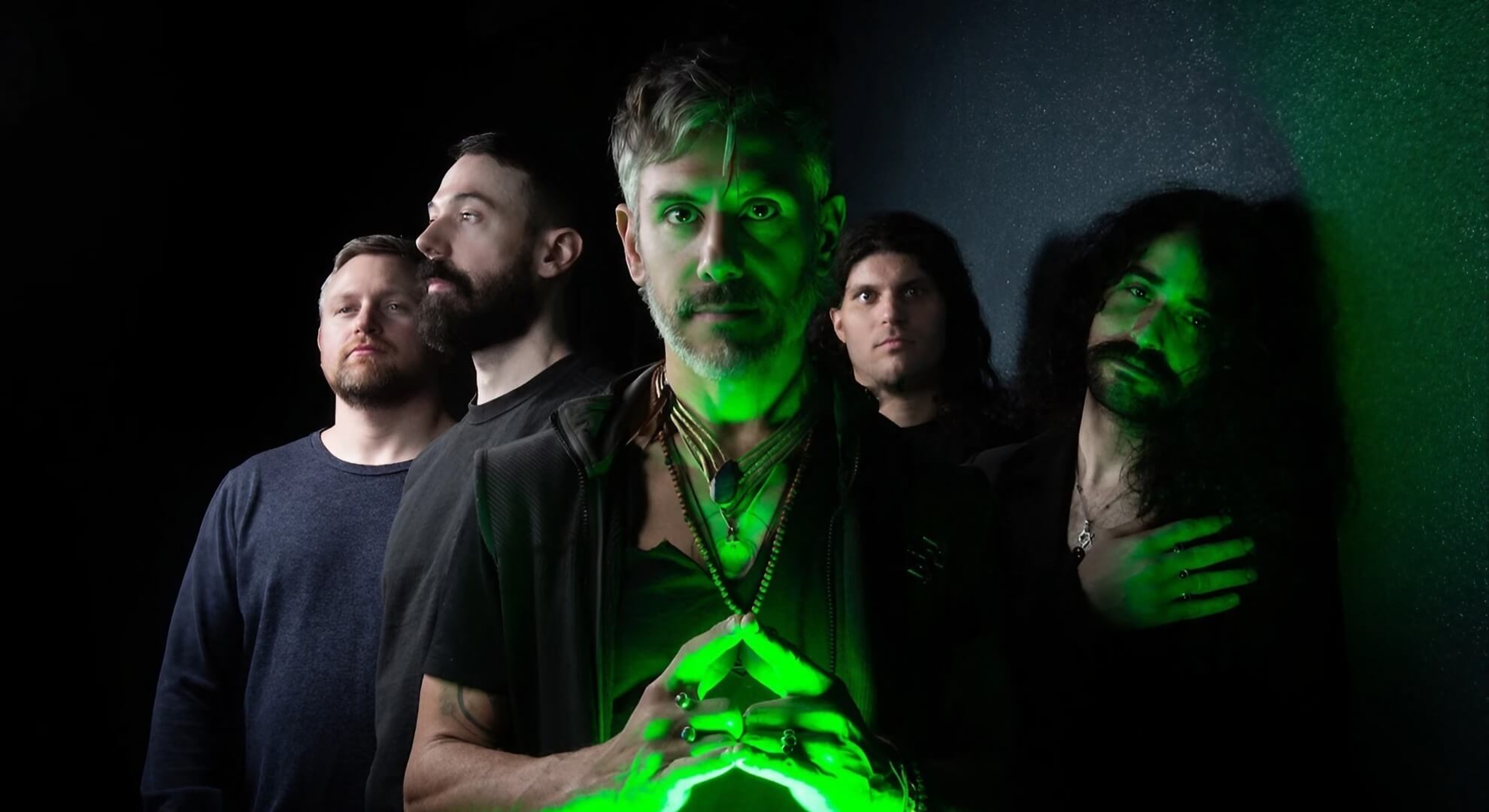


The return of the North American progressive metal entity Cynic to the Andean heights of Bogotá on January 18, 2026, serves as a profound case study in resilience, sonic evolution, and the architectural significance of live performance within the extreme music subculture. For the Colombian audience, this event at Capital Live Music is not a mere traversal of a touring circuit; it is a ritualistic convergence of two distinct philosophies of sound: the ethereal, astral spirituality of Florida-born Cynic and the dissonant, brutalist urban expressionism of New York’s Imperial Triumphant.1
From the Florida Swamps to the Astral Plane
The origins of Cynic are linked to the late-1980s Miami scene. Founded by Paul Masvidal and Sean Reinert in 1987, the band initially contributed to the foundations built by peers like Death and Morbid Angel. However, they sought to rebuild the genre through the lens of progressive rock and jazz fusion.
This shift represented a radical departure from the hyper-conservative social environment of the region, marking the beginning of a trajectory that favored philosophical dismantling over primitive brutality.2 This Bogotá date is significant as it validates the band’s current identity, proving that their intricate sound can thrive outside of the studio environments where it was first conceived.
The band occupies a space similar to that of the mid-career shift in the work of John Coltrane, where technical virtuosity eventually gave way to a deeply spiritual, almost meditative, pursuit of the infinite.3
The discography of the band illustrates a focused evolution of their craft. It began in 1993 with the progressive death metal milestone ‘Focus,’ which integrated jazz-fusion elements in the aftermath of Hurricane Andrew. This debut established a blueprint for the technical death metal genre, favoring rhythmic intricacy and synthesized textures.4
Following a long hiatus, the band returned in 2008 with ‘Traced in Air,’ a record marked by melodic complexity and artistic rebirth. By 2014, they pivoted toward a more introspective progressive rock sound on ‘Kindly Bent to Free Us,’ significantly reducing the presence of harsh vocal elements.
Their most recent full-length effort, the 2021 album ‘Ascension Codes,’ explores ethereal soundscapes and celestial navigation while serving as a tribute to fallen members.
The transition from the raw innovation of ‘Focus’ to the expansive soundscapes of ‘Ascension Codes’ represents a natural maturation. Following the passing of founding members Sean Reinert and Sean Malone in 2020, Masvidal channeled grief into a work that serves as both a final farewell and a moment of renewal. This Bogotá performance represents a pivotal moment in the band’s career, as it marks the successful preservation of their technical legacy within the current introspective era of the band.
Urban Expressionism and the Golden Chaos
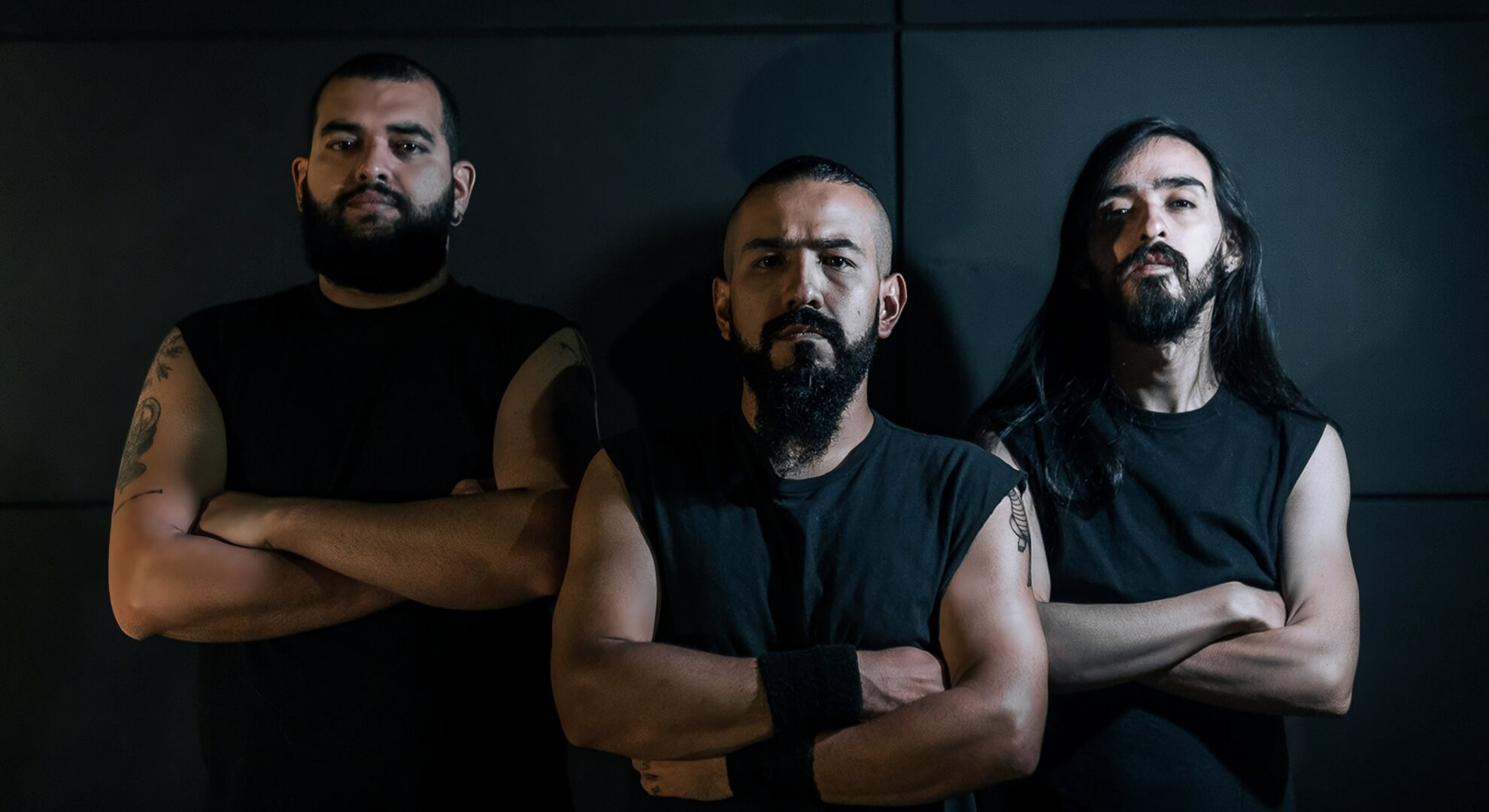
Supporting Cynic is Imperial Triumphant, a trio providing a brutalist contrast. They characterize their work as a form of urban expressionism, presenting a sonic representation of Manhattan’s chaotic and opulent reality.
Their arrival in South America marks a significant expansion of their metropolitan narrative, validating their aesthetic on a continental scale following their role as central figures in the New York experimental scene. This performance allows the band to test the high-energy material from their 2025 album ‘Goldstar’ against an audience famed for its uncompromising intensity.
Their visual and sonic identity draws heavily from the Art Deco movement and the cinematic nightmare of Fritz Lang’s 1927 film, ‘Metropolis,’ where the golden facade of high society barely conceals the industrial rot of the depths below.5
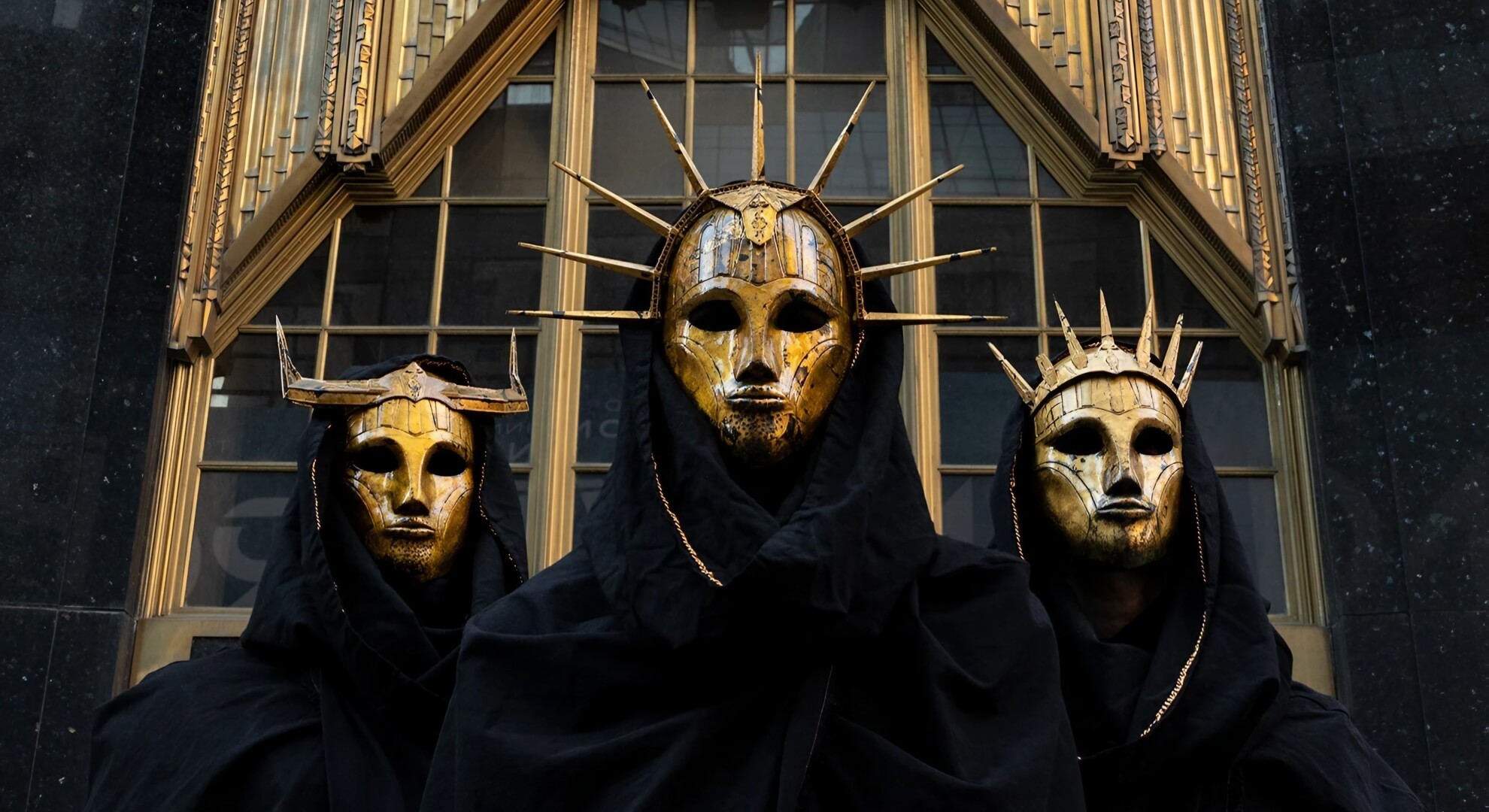
As detailed in our recent coverage of Steve Blanco’s solo endeavor, ‘Imprints of Man,’ (released November 15, 2025), the band’s apparent chaos is built on a rigorous conservatory-trained foundation.
Blanco, a Purchase Conservatory of Music alumnus, spent the tail end of 2025 stripping away the band’s signature brass sections and distortion to reveal the skeletal, dissonant piano architecture beneath tracks like ‘Merkurius Gilded.’ This solo work provides a vital bridge for the Bogotá audience, offering a clear view into the group’s complex counterpoint before they take the stage with the full sonic weight of the ‘Goldstar’ era.
Regarding this process of exposing the underlying framework of the music, Blanco has noted that such single-instrument presentations help to reveal the core compositional architecture that is otherwise hidden beneath the sonic density of a full band.
The sonic foundations of these two groups offer a striking comparison. While the philosophical roots of Cynic grow from astral spirituality and cosmic rebirth, Imperial Triumphant draws from urban decay and economic dissonance.
Visually, Cynic relies on ethereal imagery and the art of Robert Venosa, whereas Imperial Triumphant employs bronzed masks reminiscent of the “Maschinenmensch” from Lang’s work. Sonically, Cynic employs a fluid, virtuosic fusion approach with clean vocals, while Imperial Triumphant embraces chaotic improvisation and intense, guttural theatricality that mirrors the dissonance of twentieth-century avant-garde classical music.6
The band describes their approach as emerging from the “roaring depths of the metropolis,” where the industrial environment replaces traditional natural settings as the primary source of ritual and inspiration.
The Ritual of Ultra Metal Heritage
The significance of this performance is rooted in Colombia’s “Ultra Metal” history, pioneered by 1980s Medellín acts like Parabellum. This heritage ensures that the audience inhabits music as a survival mechanism rather than mere entertainment.
This historical foundation creates a distinct atmospheric mirror to the North American experience, where technical finesse is received not as a clinical exercise but as a ritualistic necessity. The raw authenticity of this Colombian movement parallels the early days of the Norwegian black metal scene, where the environment itself dictated the ferocity and uncompromising nature of the sound.7
A defining characteristic of the Bogotá experience is the “Oé Oé Oé.” chant. Unlike the more individualistic reactions in Western markets, the Colombian crowd is characterized by a ritualistic dedication. In North American and European markets, the primary reception often involves intellectual engagement and standard pit activity within a festive atmosphere.
In contrast, the Bogotá audience engages in ritualistic inhabitancy where the concert serves as a survival mechanism and a spiritual sanctuary, expressed through unified vocal participation.
Spatial Realities within the Chapinero District
The venue—Capital Live Music (Auditorio Mayor CUN)—is located in the bohemian Chapinero district. This choice signals a desire for intimacy and sonic containment.
The January 18 show follows a series of high-profile New York events for the Imperial Triumphant camp, including the headlining set at the inaugural Jazz From Hell Festival (December 2025), further cementing their transition from extreme metal outliers to established curators. This venue choice places the bands within a neighborhood that acts as a tapestry of intellectual aspiration and urban grit, mirroring the duality found in the music itself.
The structure of the venue provides two distinct experiences for the attendees. The first floor, known as the Plateau, is a standing pit with a capacity for approximately 1,300 people and serves as the epicenter of physical engagement. The second floor consists of the General Balcony, a smaller section for approximately 300 spectators who prioritize sonic clarity and a broader view of the performance.
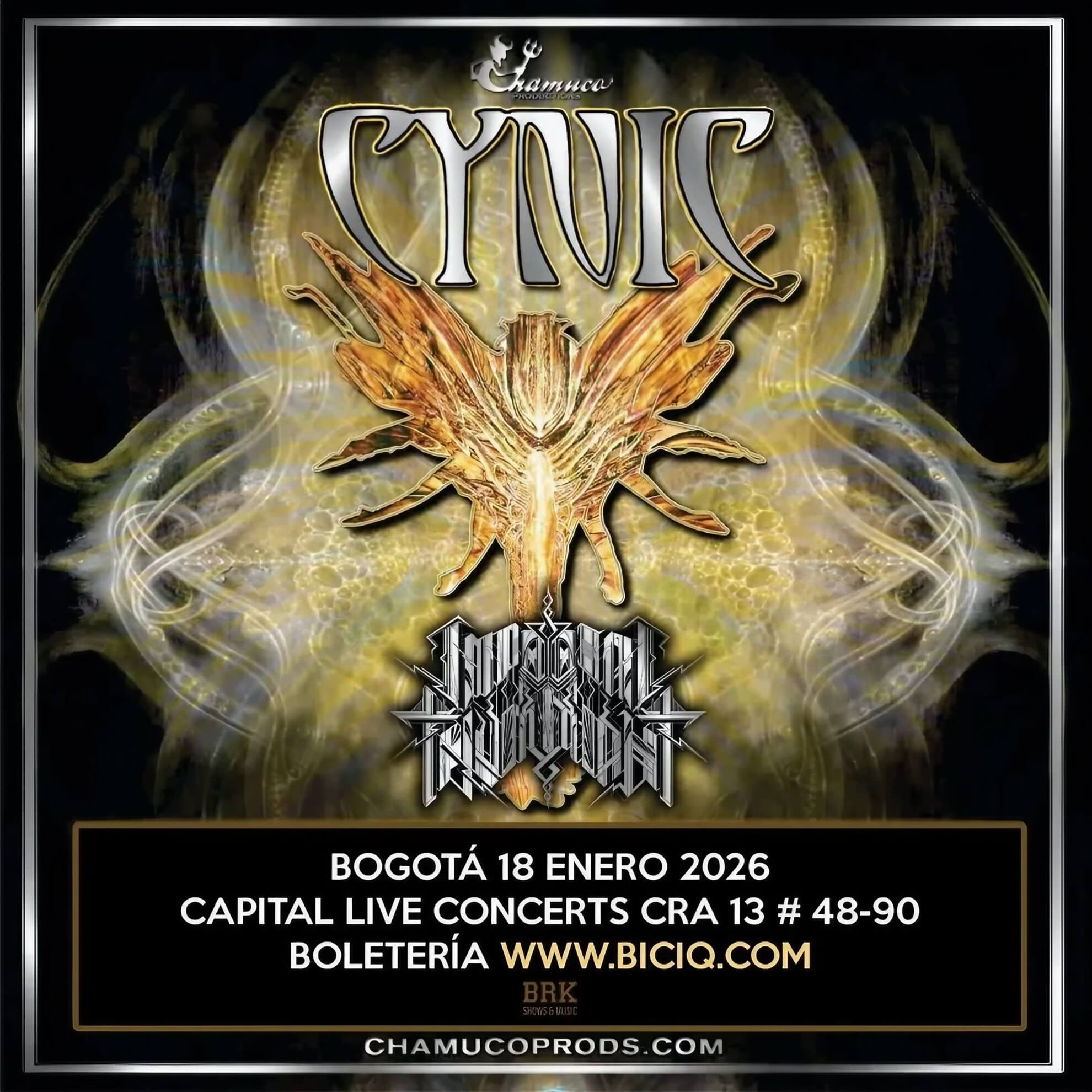
Lighting designs for such immersive events often favor deep crimsons and purples to foster what observers describe as an “immersive, suffocating atmosphere” that forces the sound directly upon the listener.8 To enter this sanctuary for the initiated, tickets for the Bogotá performance have been priced at 160,000 COP (approximately $40 USD).
The Local Vanguard
The performance highlights the evolution of the national scene, specifically Bogotá’s Brainblast. They have pioneered a symphonic techdeath metal style, fusing brutal kinetics with intellectual architecture, signaling that the Colombian scene is prepared for global recognition.
This local shift mirrors the international movement toward greater complexity, proving that the technical ambition of the Florida pioneers has found a permanent and evolving home in the Andes. This performance provides a rare opportunity for local acts to see their technical aspirations mirrored by the originators of the genre, validating the idea that extreme music can serve as a monument for future artistic exploration.
The local scene continues to move away from raw rage toward a philosophy that seeks to connect extreme metal with the “grand, intellectual architecture of high art.”
Resilience and the High Andean Reach
The return of Cynic on January 18, 2026, represents more than a chronological milestone; it is the physical manifestation of an artistic lineage that refuses to remain static. As the thin air of the Andes imposes a natural reverence upon the gathered collective, the performance serves as a reminder that the pursuit of transcendence is not a solitary endeavor but a communal ritual.
In the high-altitude gray of Bogotá, the ethereal layers of the Florida pioneers and the brutalist architecture of the New York avant-garde do not simply coexist; they merge into a singular, vital language of survival. This convergence provides evidence that even within the most dissonant metropolitan frameworks, the spirit finds a sanctuary where complexity is a form of resistance and art is the ultimate monument for the future.
In the context of Bogotá’s unique history of utilizing extreme music as a mechanism for cultural resilience, how does the prospect of witnessing the spiritual evolution of Cynic alongside the urban dissonance of Imperial Triumphant reshape your understanding of the relationship between technical virtuosity and communal survival?
References:
- Kahn-Harris, Keith. ‘Extreme Metal: Music and Culture on the Edge.’ Oxford: Berg, 2007. ↩︎
- Mudrian, Albert. ‘Choosing Death: The Improbable History of Death Metal and Grindcore.’ Port Townsend, WA: Feral House, 2004. ↩︎
- Ratliff, Ben. ‘Coltrane: The Story of a Sound.’ New York: Farrar, Straus and Giroux, 2007. ↩︎
- Wagner, Jeff. ‘Mean Deviation: Four Decades of Progressive Heavy Metal.’ Brooklyn: Bazillion Points, 2010. ↩︎
- Gunning, Tom. ‘The Films of Fritz Lang: Allegories of Vision and Modernity.’ London: British Film Institute, 2000. ↩︎
- Ross, Alex. ‘The Rest Is Noise: Listening to the Twentieth Century.’ New York: Farrar, Straus and Giroux, 2007. ↩︎
- Moynihan, Michael, and Didrik Søderlind. ‘Lords of Chaos: The Bloody Rise of the Satanic Metal Underground.’ Venice, CA: Feral House, 1998. ↩︎
- Thompson, Emily. ‘The Soundscape of Modernity: Architectural Acoustics and the Culture of Listening in America, 1900-1933.’ Cambridge, MA: MIT Press, 2002. ↩︎

Leave a Reply